A bowl of soup can tell you a surprising amount about a country’s food traditions. Some are served chilled on hot summer days, while others are simmered for hours with meat, vegetables and spices. From Latvia’s bright pink beetroot soup to Indonesia’s dark, aromatic Rawon, the ingredients and cooking methods often reveal a great deal about the places they come from.
Across the world, traditional soups have developed around local produce, regional tastes and generations of home cooking. They can be light and refreshing, rich and hearty, pleasantly sour or intensely spiced. Some are everyday family meals, while others are closely associated with celebrations and special occasions.
If you’re curious about how different cultures prepare something as familiar as soup, these 18 traditional soups from around the world are a fascinating place to start. Each has its own combination of ingredients, flavours and history, with plenty of reasons to give it a try.
Mercimek Çorbası (Turkish Lentil Soup)
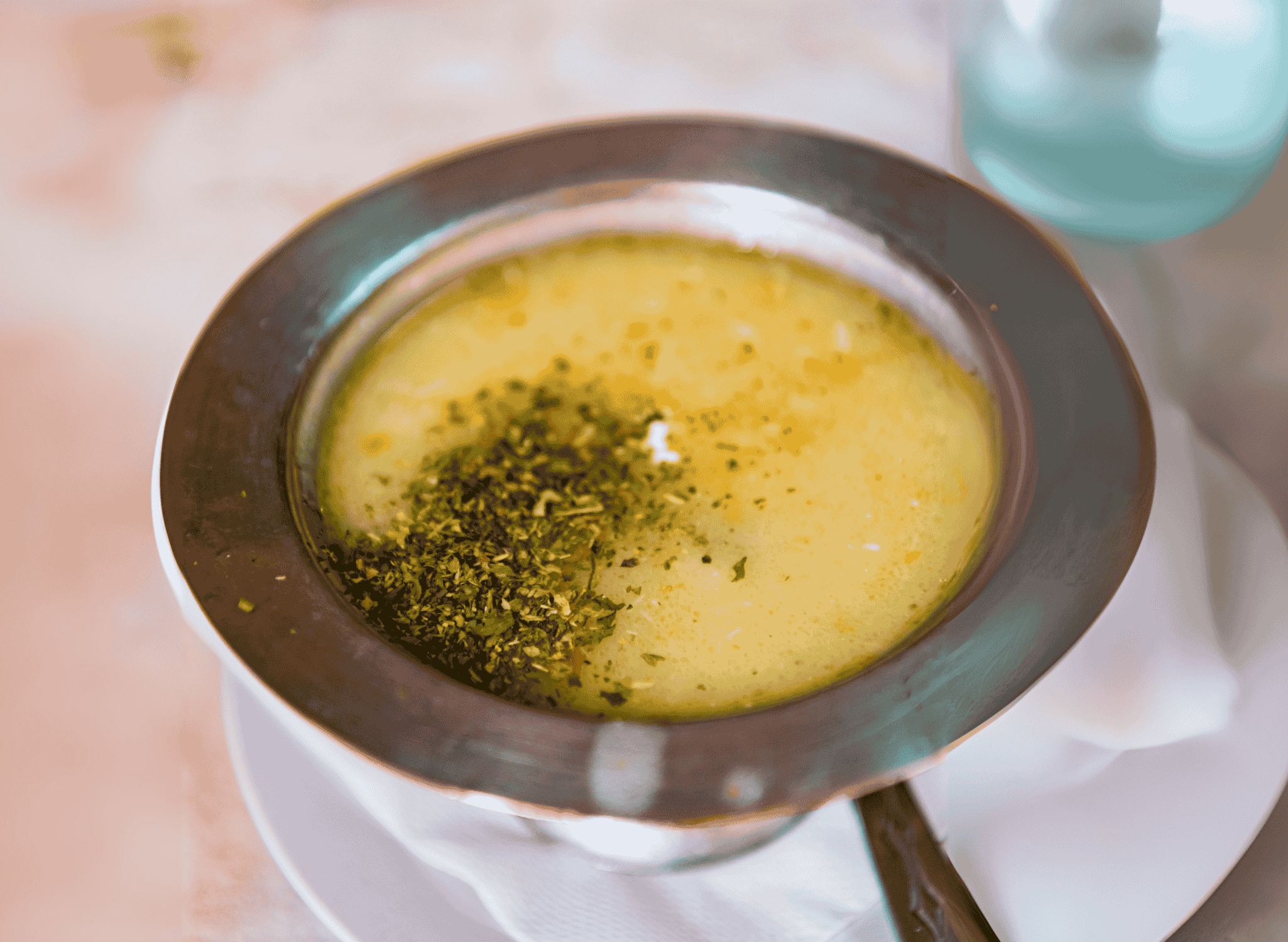
Mercimek Çorbası is a smooth, hearty soup made primarily from red lentils, onions, carrots, and a touch of potato. The soup is seasoned with spices like cumin, paprika, and sometimes a hint of mint, which gives it a warm, comforting aroma and a subtle depth of flavour.Turkish lentil soup is known for its creamy consistency, achieved by blending the cooked lentils and vegetables into a velvety puree. This satisfying texture and well balanced taste make it a popular choice, whether enjoyed as a nourishing breakfast or a warm-up course for larger meals.The soup is typically garnished with a squeeze of lemon juice, which adds a tangy brightness, and a drizzle of melted butter infused with paprika, adding richness and a bit of spice. Get The Recipe Indonesian Soto Ayam (Chicken Soup)
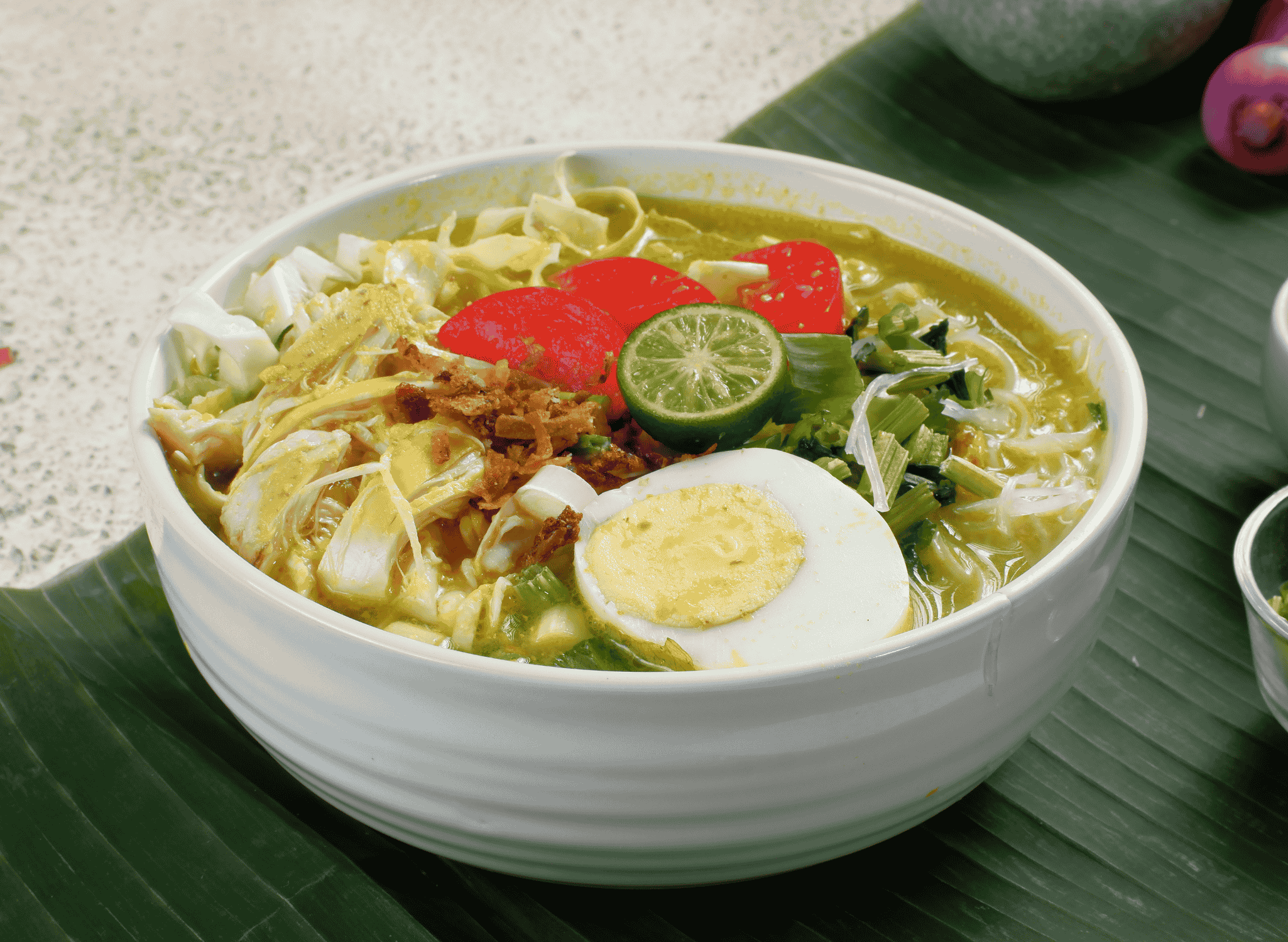
Soto Ayam is a spiced chicken soup with turmeric that gives it a distinctive golden colour. It is typically served with shredded chicken, glass noodles or vermicelli, and sometimes hard-boiled eggs. A sprinkle of fried shallots on top adds crunch and aroma.The broth is where the magic lies. Simmered with lemongrass, kaffir lime leaves, garlic, ginger, and turmeric, it achieves a flavour that is earthy yet bright. It is often accompanied by steamed rice or lontong, which is compressed rice cake, to make the meal more filling and hearty. Get The Recipe Finnish Hernekeitto (Pea Soup)
Hernekeitto is a thick green pea soup, traditionally made from dried peas, slowly cooked until they break down into a creamy, textured broth. Ham hock or chunks of smoked pork lend a rich, savoury depth, creating a flavour that is both rustic and deeply satisfying.In Finland, it is not just about the soup itself. Hernekeitto is often enjoyed with a dollop of strong mustard stirred through at the table, and usually followed by a dessert of oven-baked pancakes with jam. This combination has become an iconic Thursday tradition throughout the country. Get The Recipe Hungarian Halászlé (Fisherman’s Soup)
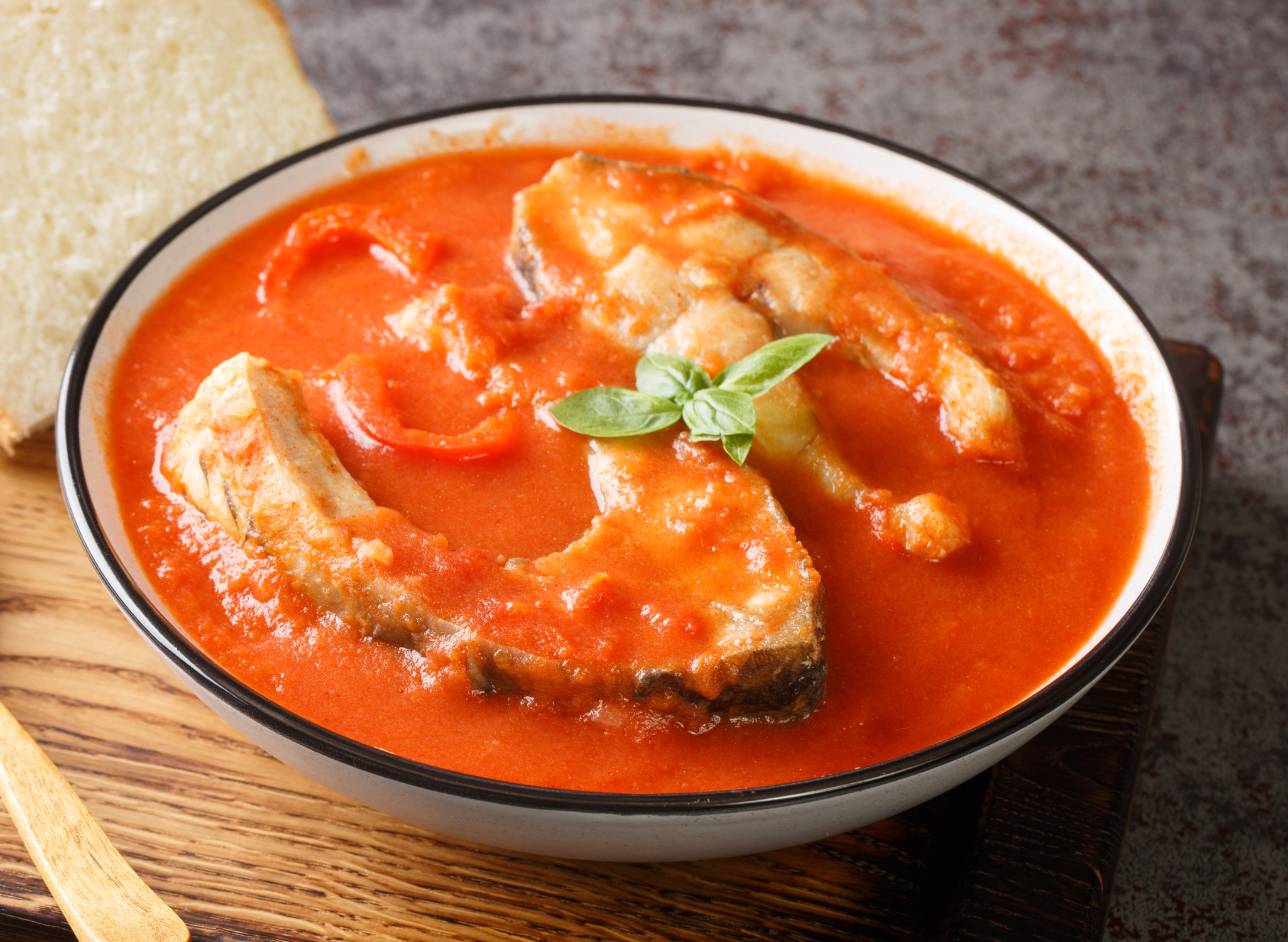
Halászlé is a paprika based fish soup that sits at the very heart of Hungarian cooking. The name translates directly to “fisherman’s soup,” revealing its working class origins and connection to the communities that lived along Hungary’s great rivers.The soup traditionally features carp as its primary fish, though many versions include a mixture of river fish such as catfish, pike, and perch. These freshwater varieties give the broth a distinctive character that differs markedly from coastal fish soups found elsewhere in Europe. Get The Recipe Soupe à l’Oignon (French Onion Soup)
Soupe à l’Oignon is a rich broth built on deeply caramelised onions, traditionally served in individual crocks beneath a floating raft of toasted bread and melted cheese. The preparation requires time rather than complexity, rewarding patience with extraordinary depth.The foundation begins with sliced onions cooked slowly until they turn a deep amber colour, releasing their natural sugars and developing complex, sweet flavours. This process can’t be rushed; proper caramelisation takes at least 30 to 40 minutes of steady attention.By the 18th century, onion soup had become associated with Les Halles, Paris’s famous central market. Workers and revellers alike would gather at all-night cafés surrounding the market, warming themselves with steaming bowls after long shifts or late evenings. Get The Recipe Salvadoran Sopa de Res (Beef Soup)
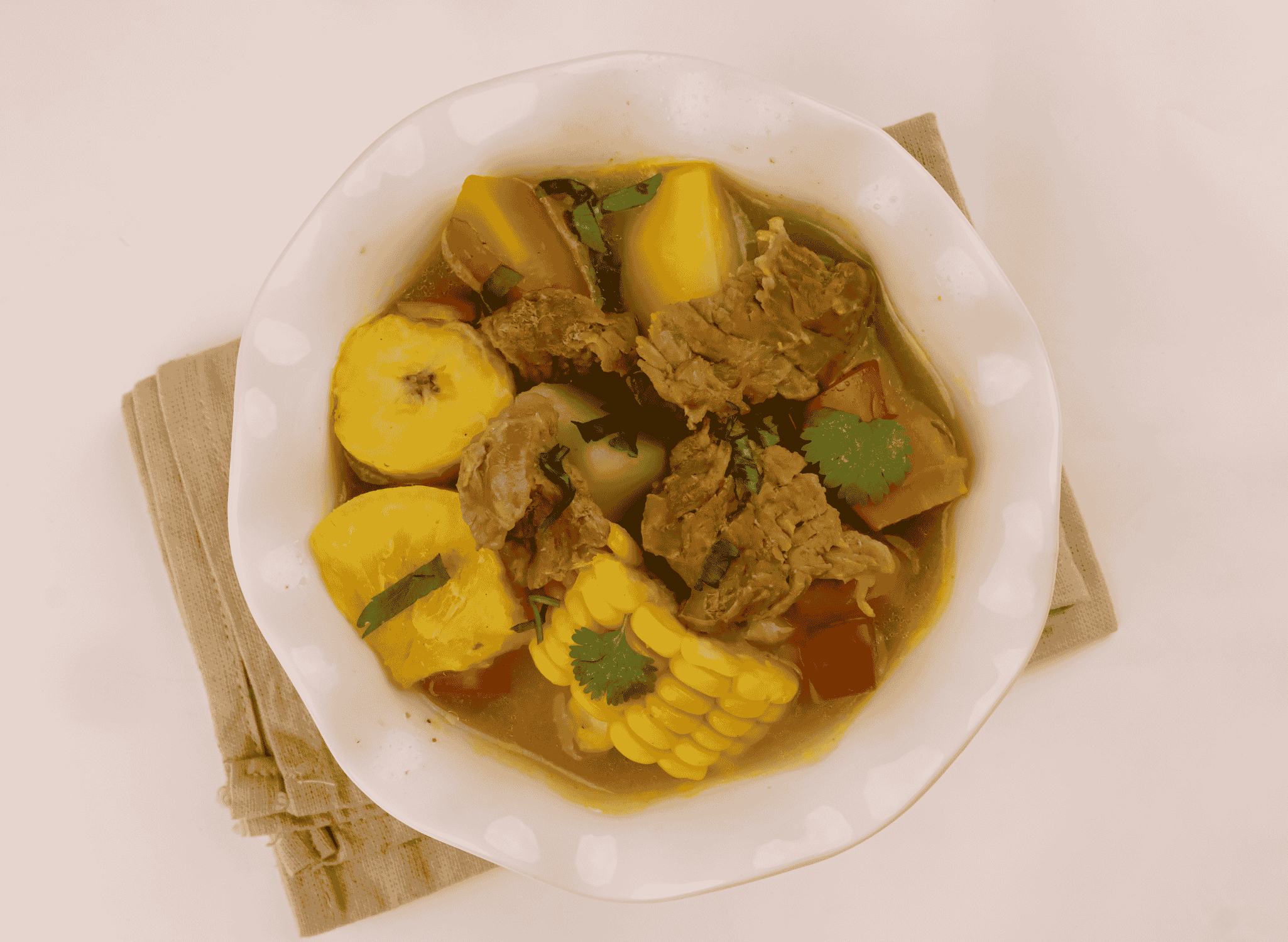
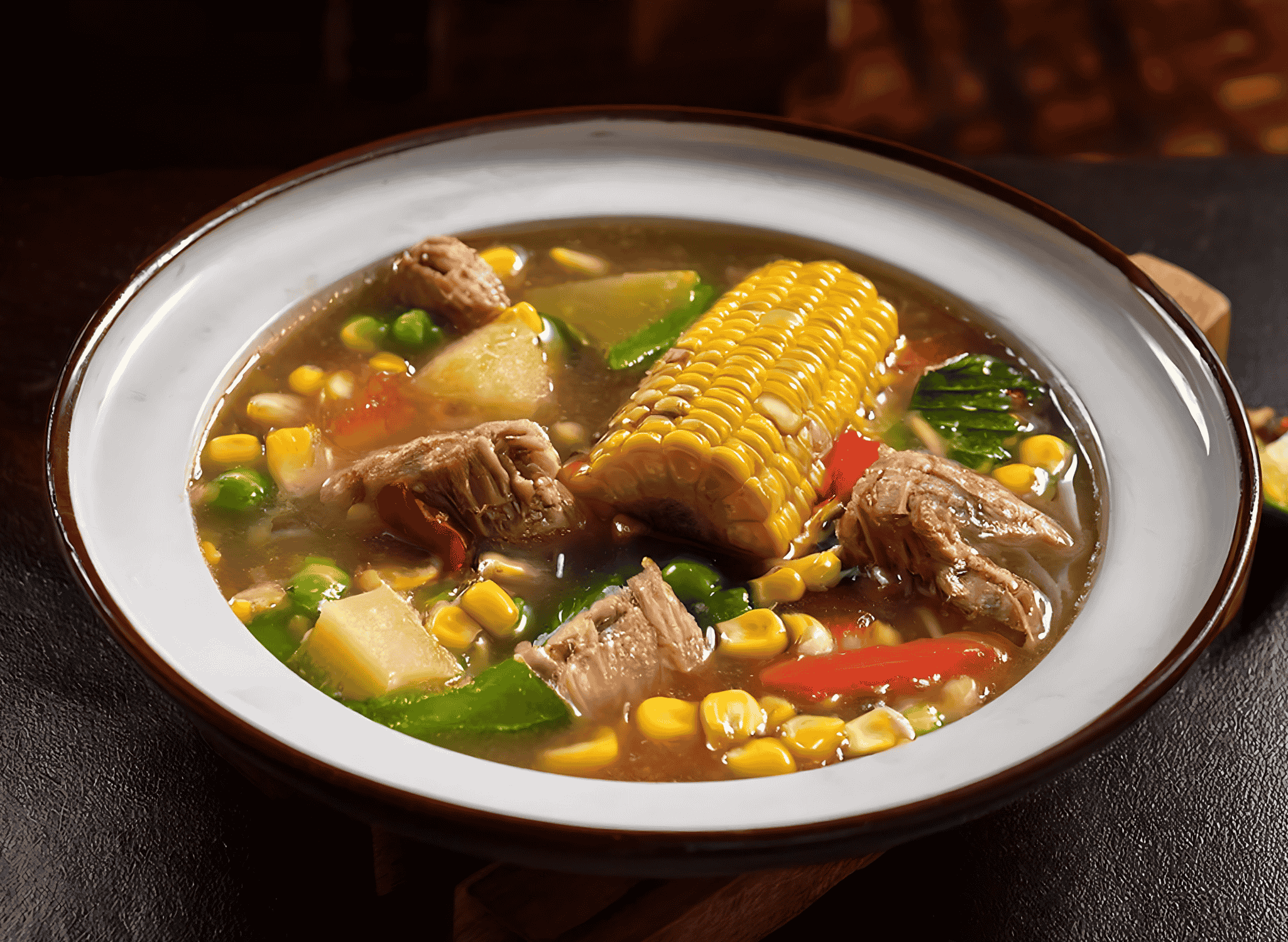
Sopa de Res is a traditional Salvadoran beef soup known for its robust flavour and rich combination of ingredients. Unlike many Western style soups, which are often served as a starter, this dish is a full meal in itself, packed with substantial chunks of meat and vegetables.It’s the kind of dish that fills the room with its enticing aroma, inviting everyone to gather around the table. What sets Sopa de Res apart is its balance of flavours and textures. The beef is simmered until tender, infusing the broth with a deep, savoury richness. Get The Recipe Latvian Frikadeļu Zupa (Meatball Soup)
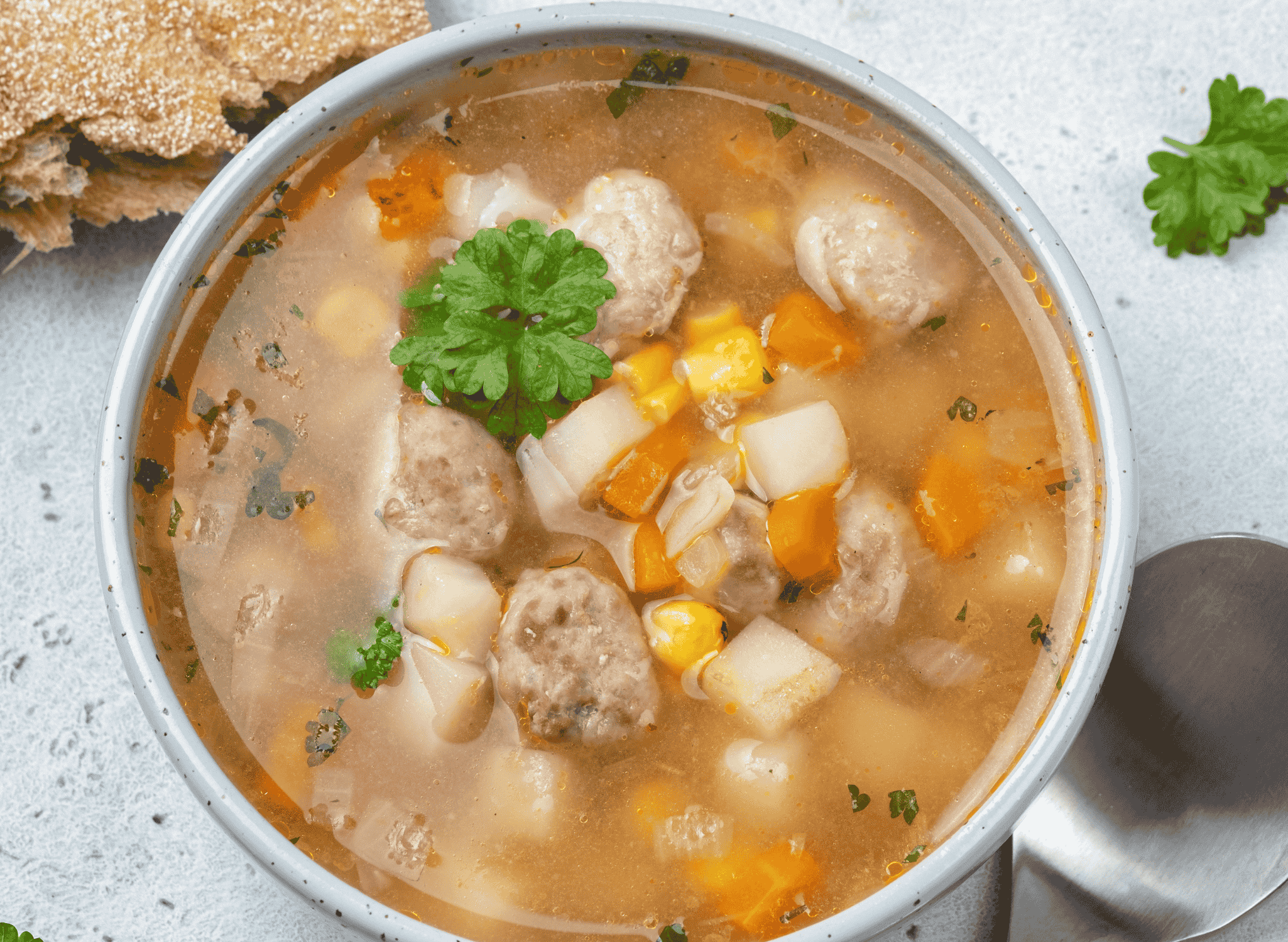
Frikadeļu zupa is a light yet satisfying soup made with small homemade meatballs simmered in a clear vegetable broth. Each element is simple, but when brought together, they create something more than the sum of their parts.The dish is not showy or extravagant, but that is part of its charm. It is a soup rooted in tradition, commonly served in Latvian households as both an everyday meal and a nostalgic reminder of childhood. Get The Recipe Indonesian Rawon (Black Beef Soup)
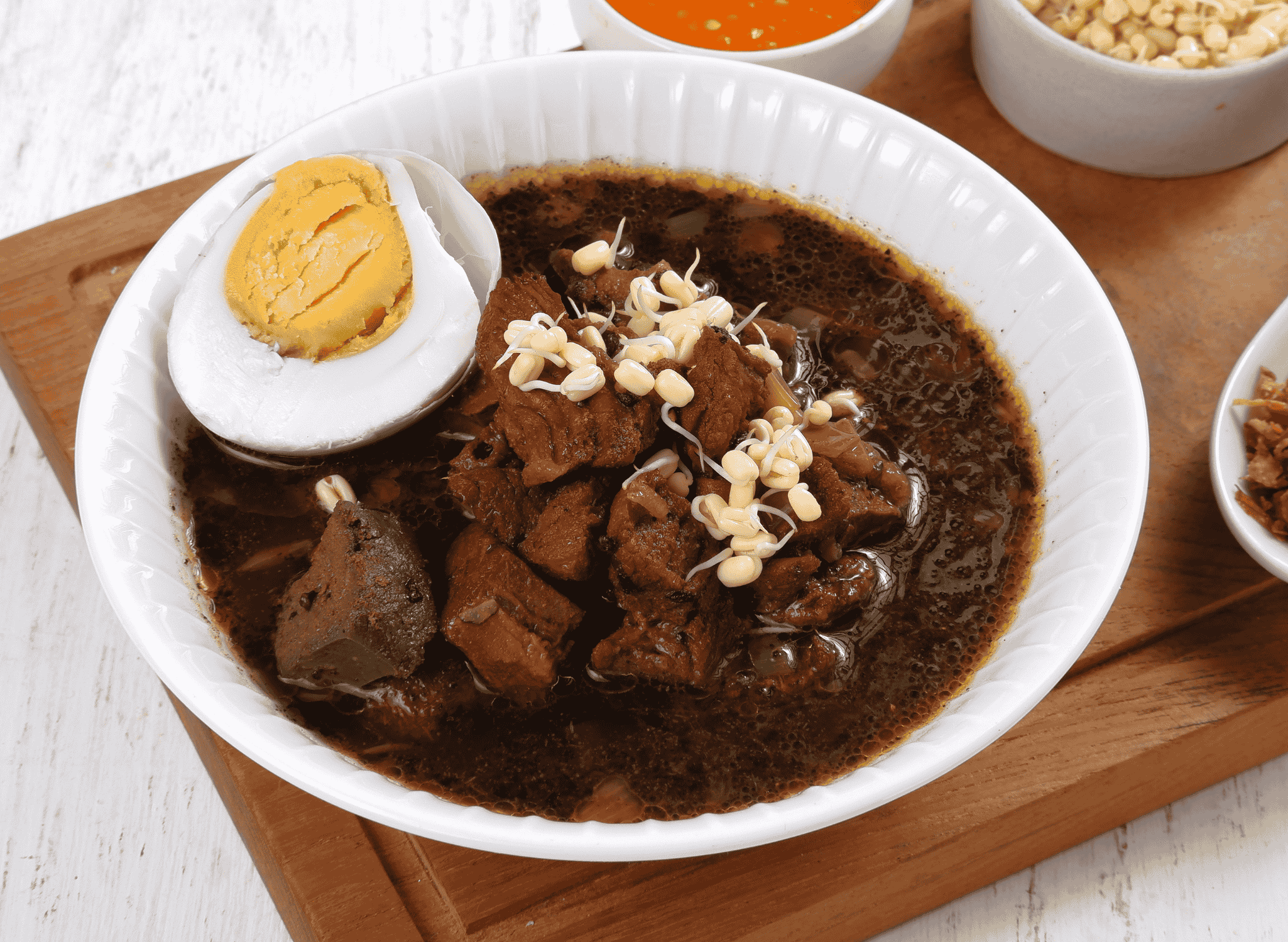
Rawon is a traditional Indonesian beef soup with a broth that is dark, rich, and unlike anything else in the country’s culinary line up. Its colour comes not from soy or spices but from keluak, a fermented black nut used in Javanese cooking.Beef, usually from the shank or brisket, is simmered for hours until tender. The broth is flavoured with a spice blend that includes shallots, garlic, ginger, galangal, lemongrass, coriander seeds and all ground into a fine paste.This paste is sautéed before being added to the stock. The result is a soup that feels both rustic and refined. Rawon is often enjoyed at breakfast in East Java, though its comforting nature makes it suitable any time of day. Get The Recipe Bosnian Begova Čorba (Bey’s Soup)
Begova Čorba is a slow cooked soup made with chicken, root vegetables and okra. It is gently thickened to give a velvety texture and seasoned with a mixture of herbs that allow the flavours of the ingredients to stand forward.Unlike lighter broths, this soup has a richness that makes it satisfying on its own. The okra gives it a slight natural thickness while the slow cooking draws depth from the chicken and vegetables without making it heavy.It is usually served hot with a squeeze of lemon on the side and warm bread. This combination makes it both filling and refreshing at the same time, offering a meal that feels as comforting as it is balanced. Get The Recipe Russian Shchi (Cabbage Soup)
Shchi is a soup cantered around cabbage, with variations ranging from simple peasant style recipes to richer, more elaborate versions. Shchi is a celebration of earthy, wholesome flavours, brought together in a warm, flavourful broth.It’s versatile enough to be served on its own or accompanied by hearty slices of dark rye bread, often smeared with butter or topped with garlic. The soup can be made with fresh cabbage for a lighter, sweeter taste or with sauerkraut for a tangy, fermented flavour that adds depth to the dish. Get The Recipe Finnish Kalakeitto (Fish Soup)
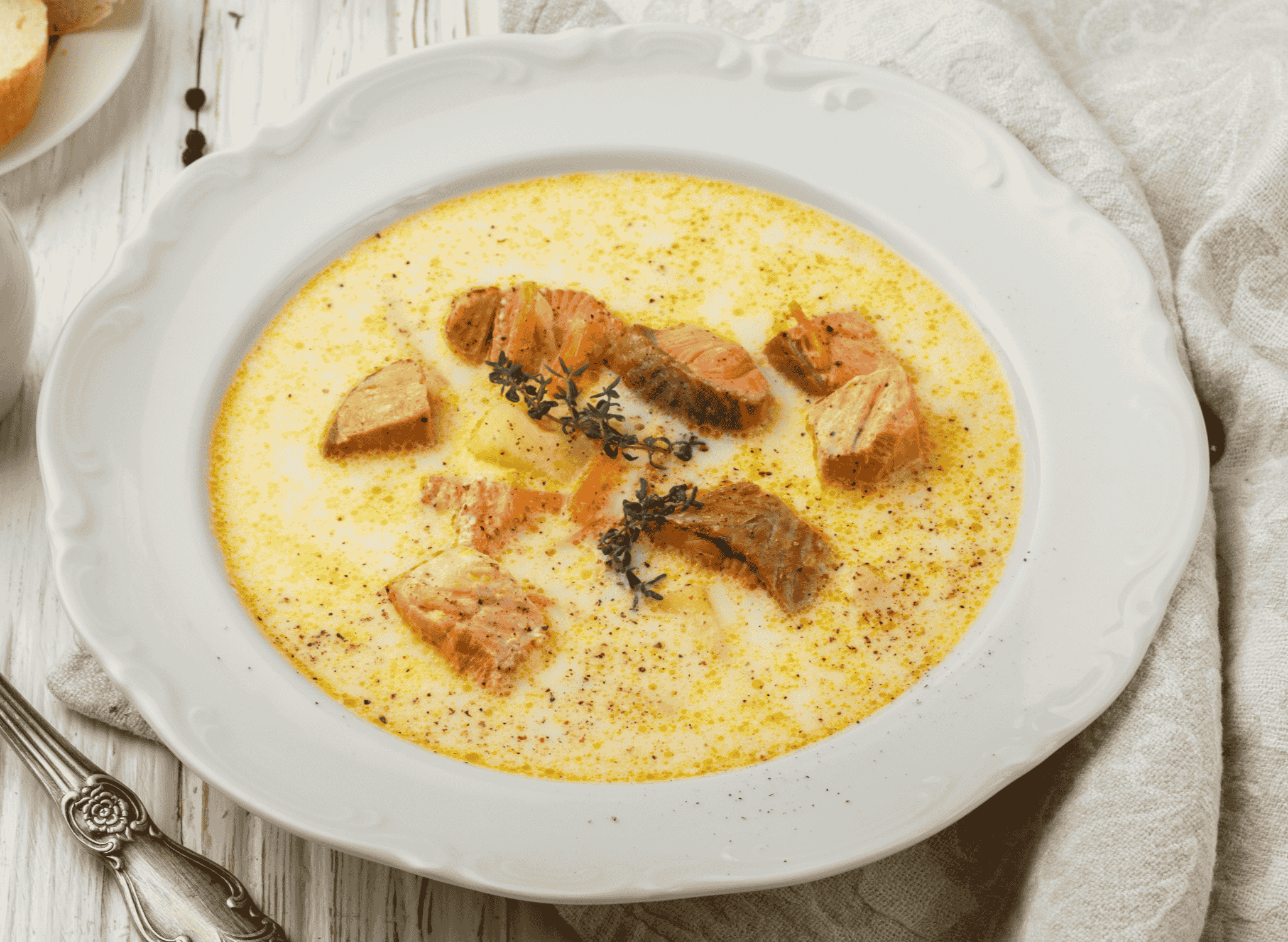
Kalakeitto is a creamy fish soup built on simplicity and freshness. Traditionally, the dish features mild white fish such as salmon or perch, gently simmered with potatoes, carrots, and leeks. A generous splash of cream gives the broth its characteristic richness.Despite its minimal ingredients, Kalakeitto offers a wonderfully layered eating experience. The fish stays tender and flaky, the vegetables are soft without losing their shape, and the broth carries a subtle sweetness from the cream. It is a balance that makes every spoonful quietly luxurious.In Finland, Kalakeitto is not just a meal but a reminder of the country’s strong ties to its lakes and coastline. Whether eaten at a seaside café or a cosy family kitchen, it brings a feeling of comfort that feels almost ceremonial, tied to the rhythms of Finnish life. Get The Recipe English Oxtail Soup (Beef and Bone Broth)
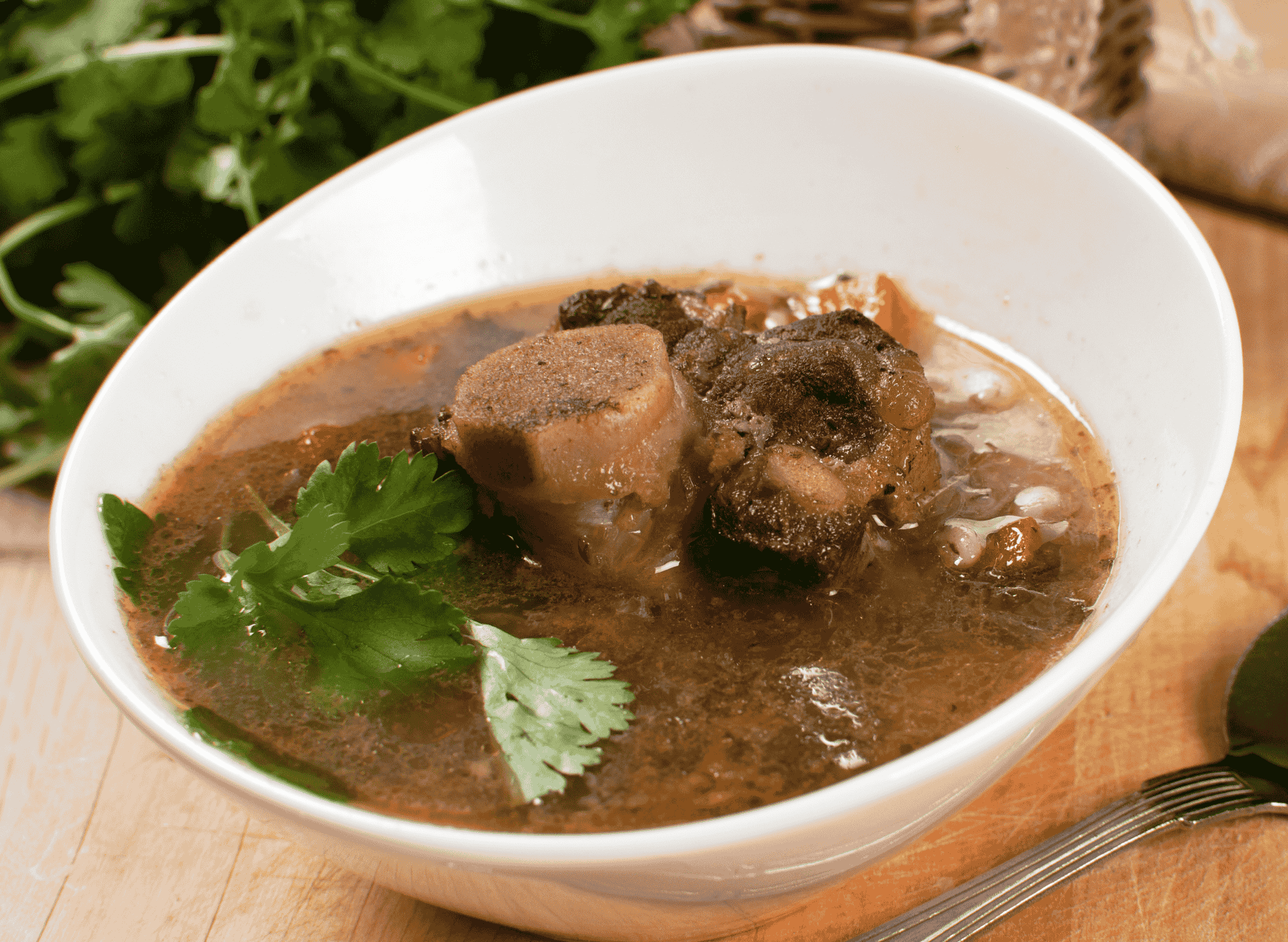
Oxtail soup is a slow cooked dish built around sections of cow’s tail, which are simmered with vegetables and herbs until the meat falls away from the bone and the collagen transforms into a silky, body rich broth. The result sits somewhere between a chunky soup and a light stew.The preparation requires little technique but demands considerable time. The tail pieces need browning first to develop colour and depth, then they simmer gently for three to four hours, sometimes longer. This extended cooking breaks down the tough connective tissue into gelatine.As the soup cools, that gelatine gives it an almost jelly-like consistency, which melts back into liquid silk when reheated. This quality separates oxtail soup from thinner broths and gives it a coating, luxurious mouthfeel that feels far more expensive than its humble origins suggest. Get The Recipe Latvian Aukstā Zupa (Cold Beetroot Soup)
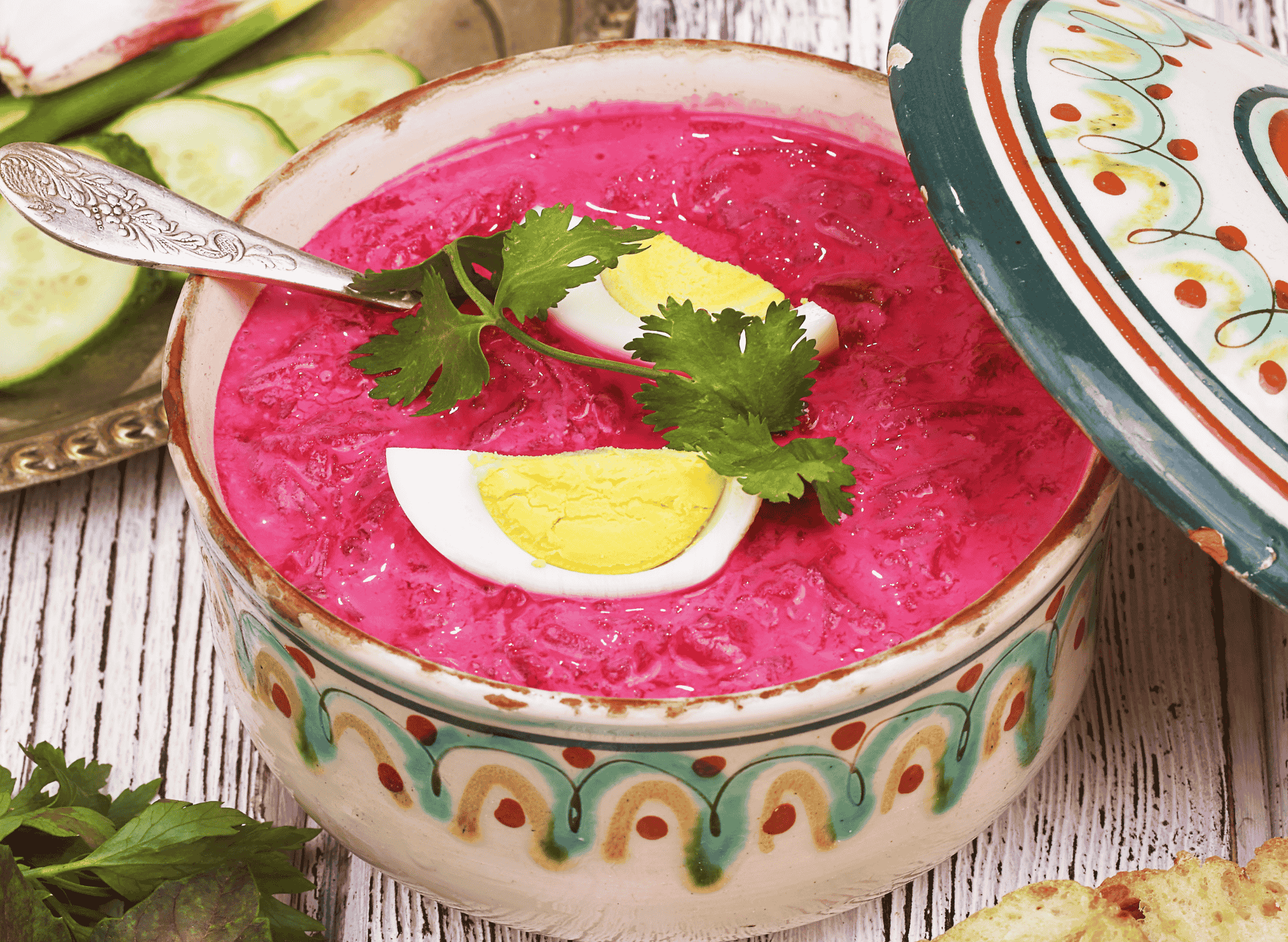
Aukstā zupa is a cold soup built around beetroots and kefir or buttermilk, creating a tangy, creamy base that’s both refreshing and surprisingly substantial. Unlike hot beetroot soups found elsewhere in Eastern Europe, this Latvian version is specifically designed to be served chilled.The preparation begins with cooked beetroots, which get grated or diced finely before being mixed with the fermented dairy base. Fresh cucumbers add crunch and a cooling quality that amplifies the soup’s refreshing nature. Get The Recipe Portuguese Sopa de Pedra (Stone Soup)
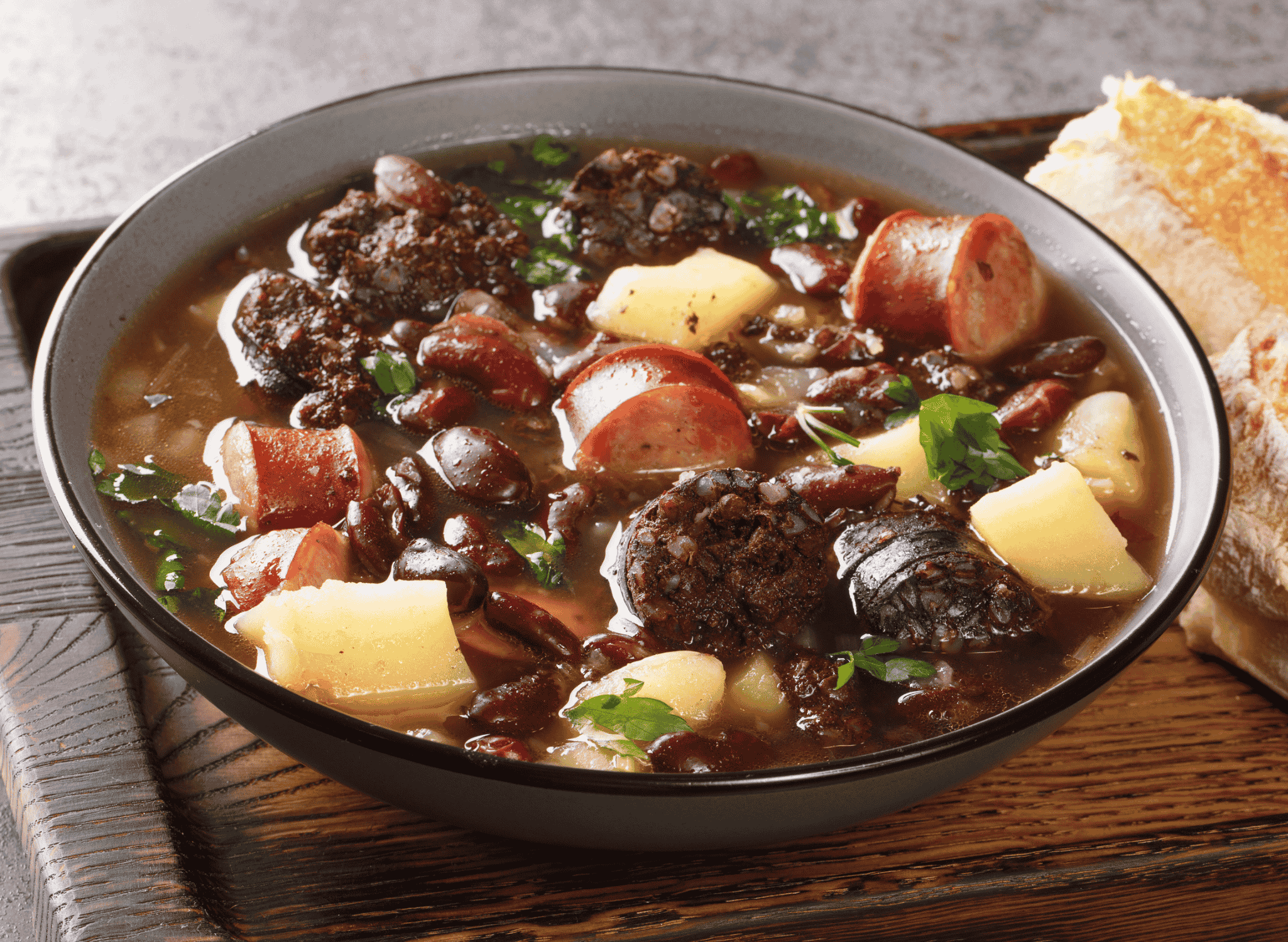
Sopa de Pedra is a bean soup layered with pork, sausages, and fresh vegetables. The “stone” is symbolic, a nod to the tale behind the dish rather than an actual cooking tool. Still, some cooks place a clean stone in the pot as a playful tradition.It is usually prepared in a large clay pot, simmering slowly so that each ingredient gives its best. This is not a quick meal. The patience put into cooking reflects the way it was meant to be enjoyed, slowly, in good company.The soup is served hot, often with crusty bread for dipping. Its texture is rich but not overly thick, allowing each bite to carry the blend of meat, beans, and vegetables in perfect balance. Get The Recipe Filipino Sinigang (Sour Soup)
Sinigang is a traditional Filipino soup characterized by its sour and savoury broth. The dish is typically made with a base of tamarind, which gives it its signature tang, but other souring agents like green mango, calamansi, or santol can also be used.This sourness is balanced by the savoury depth of meat or seafood, making each sip a complex harmony of flavours. The beauty of Sinigang lies in its versatility. It can be prepared with pork, shrimp, fish, or beef, depending on regional preferences and seasonal availability.Vegetables like water spinach (kangkong), taro (gabi), radish (labanos), okra, and long green beans (sitaw) are commonly added, making the dish not only hearty but also nutritious.While it’s often served as a main course, paired with steaming white rice, Sinigang is more than just a meal, it’s a reflection of the Filipino palate’s love for bold, contrasting flavours. Get The Recipe Honduran Sopa de Caracol (Conch Soup)
Sopa de Caracol is a traditional Honduran soup that highlights the bounty of the sea, featuring conch meat as its star ingredient. The dish is a testament to the country’s coastal culinary traditions, combining seafood with tropical flavours to create a warm and satisfying meal.The soup’s base is a blend of coconut milk, herbs, and spices, which is simmered to perfection with fresh vegetables. The addition of conch, a type of large sea snail with tender and slightly sweet meat, gives the soup its distinctive character.In Honduras, Sopa de Caracol isn’t just a dish, it’s a symbol of coastal life. It’s often served with a side of white rice, fried plantains, or thick tortillas, making it a complete and deeply nourishing meal. Whether enjoyed at a beachside eatery or a family kitchen, this soup brings comfort and joy with its unmistakable flavours. Get The Recipe Salvadoran Sopa de Pata (Cow’s Feet Soup)
Sopa de Pata is a slow cooked soup that uses cow’s feet as its star ingredient, along with a medley of vegetables and aromatic seasonings.This dish is often considered a labour of love, as it requires time and care to bring out the full depth of flavours. The gelatine rich cow’s feet lend a silky texture to the broth, while the vegetables provide balance and vibrancy.Far from being a simple dish, Sopa de Pata is celebrated for its ability to comfort and rejuvenate, making it a favourite during cooler weather or as a remedy for a long day. It’s not uncommon to find this soup served at family gatherings, where its aroma fills the air with the promise of a hearty, satisfying meal. Get The Recipe Japanese Miso Soup (Fermented Soybean Soup)
Miso soup, or misoshiru in Japanese, is a traditional soup made from miso paste, a fermented soybean paste that forms the backbone of the dish. It is typically combined with dashi, a simple broth made from dried fish and kelp, creating a rich umami base.What makes miso soup so special is its versatility; ingredients can vary depending on the region, season, or personal preference, but common additions include tofu, seaweed (wakame), and green onions. These elements come together to create a soup that is both flavourful and deeply soothing.While it’s often served as a side dish, miso soup holds its own as a vital part of Japanese meals, especially breakfast. Its light yet savoury nature is designed to awaken the senses, preparing the body for the day ahead. Get The Recipe