Rice may be one of the world’s simplest ingredients, but what ends up on the plate can be remarkably different depending on where you are.
In Pakistan, it might be a fragrant biryani layered with meat and spices. In Portugal, rice is simmered with octopus in a rich seafood broth, while in Indonesia, leftover rice is transformed into nasi goreng, a savoury fried rice dish enjoyed throughout the country.
These differences go beyond ingredients. Traditional rice dishes have developed through centuries of local cooking practices, trade and cultural exchange.
Some rely on slow cooking to absorb the flavour of meat and stock, while others use coconut milk, aromatic herbs or carefully blended spices. Whether served as an everyday meal or prepared for a special celebration, each dish has its own place in the country’s food traditions.
If you enjoy discovering foods from different cultures, these 15 traditional rice dishes from around the world are well worth exploring. From comforting home cooked favourites to elaborate regional specialities, there is plenty to discover beyond the rice dishes you may already know.
Indonesian Nasi Goreng (Fried Rice)
Nasi Goreng is fried rice, but it’s far from ordinary. This dish starts with cooked rice, stir fried with a flavourful combination of spices, sweet soy sauce (kecap manis), and a mix of proteins and vegetables.It’s often crowned with a perfectly fried egg, adding a velvety richness that ties everything together. While recipes vary across regions and personal preferences, the essence of Nasi Goreng remains consistent: a smoky, umami packed dish that’s both filling and irresistible. Get The Recipe Salvadoran Casamiento (Rice and Beans)
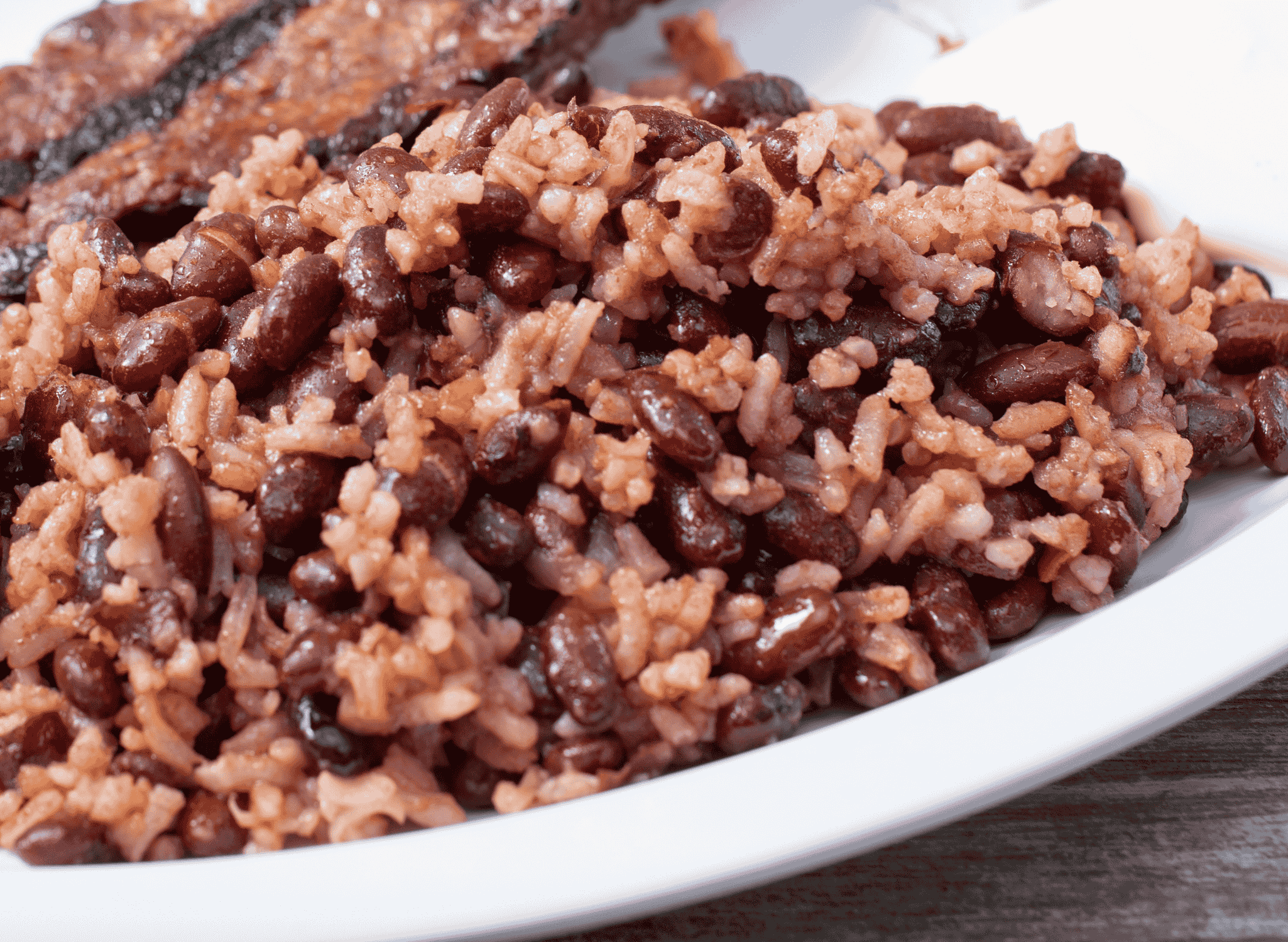
Casamiento is a flavourful blend of cooked rice and beans, typically black or red, which are sautéed together to create a harmonious, slightly sticky combination. It’s seasoned with aromatics like onion, garlic, and sometimes a hint of fresh cilantro, making it both fragrant and satisfying.
Get The Recipe Portuguese Arroz de Polvo (Octopus Rice)
Arroz de Polvo is a seafood rice dish prepared with octopus simmered until tender, then cooked together with rice in a seasoned broth. The result is a meal where both components share the same rich flavour.The rice is usually cooked to a slightly loose consistency, somewhere between a risotto and a soup, allowing the broth to remain part of the dish rather than just a background element. Get The Recipe Croatian Skradinski Rižot (Veal Risotto)
Skradinski Rižot is a traditional veal risotto from the Dalmatian hinterland, prepared with remarkable attention to detail. It is not rushed, as the veal is first cooked slowly until soft before the rice is introduced and stirred gently for hours.The dish is defined by its texture. Unlike many risottos where grains hold their bite, this one is cooked until creamy and smooth, with rice and veal blending into one unified dish. It is rich yet balanced, indulgent yet comforting. Get The Recipe Nepali Dal Bhat (Lentil and Rice Platter)
Dal Bhat is a plate of steamed rice served with lentil soup. But the term often refers to a full set meal that includes vegetable curries, pickles, greens and sometimes meat or yoghurt. It is filling, wholesome and tailored to suit both vegetarian and non-vegetarian diets.Dal Bhat is eaten throughout the country, with regional touches adding variety. In the hills, you might find it with gundruk, a fermented leafy green. In the plains, it could be served with spicy mustard greens or chicken curry. Every household has its own version, yet the heart of the dish remains unchanged. Get The Recipe Malaysian Nasi Dagang (Steamed Rice with Fish Curry)
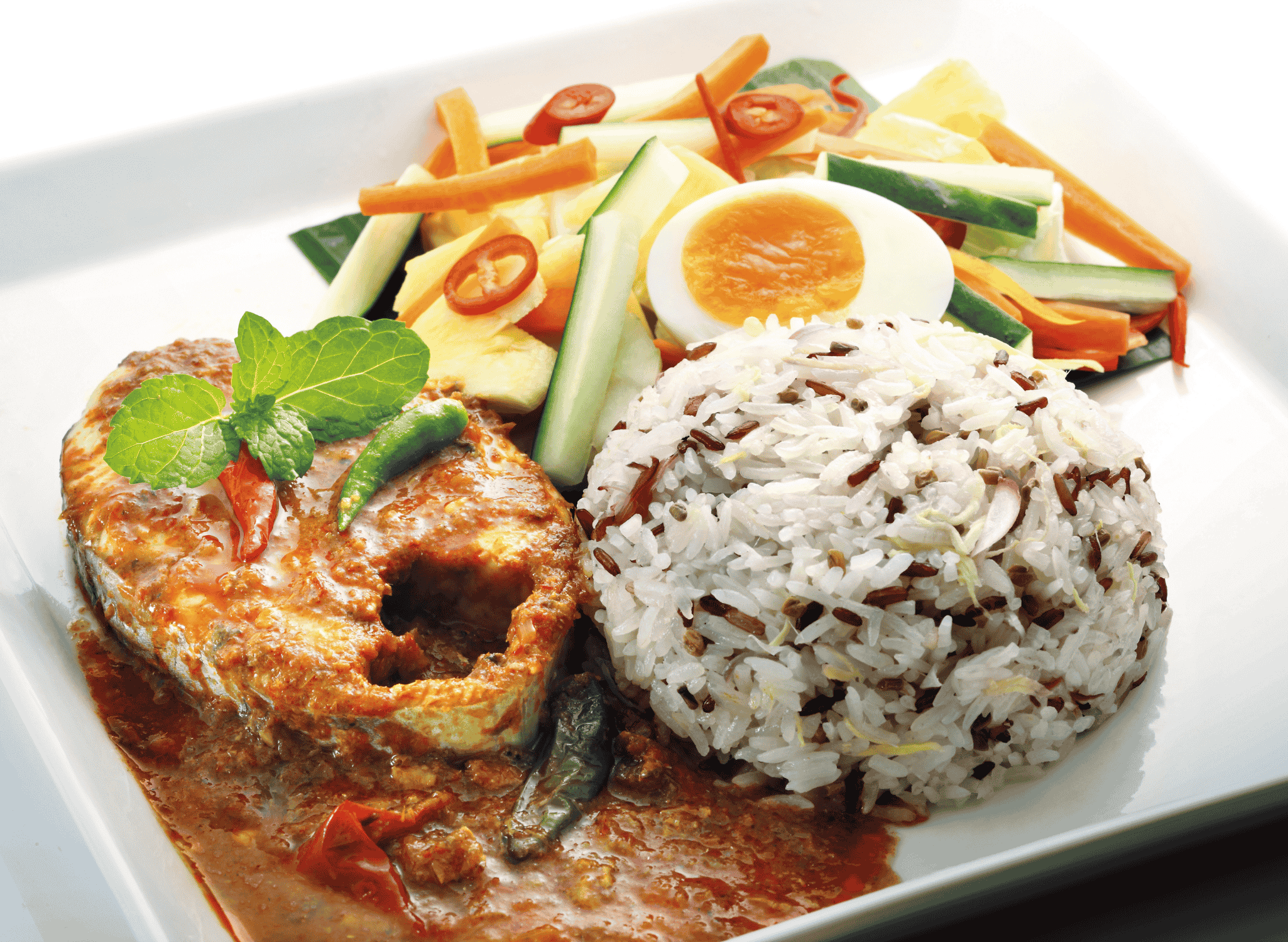
Nasi Dagang, which loosely translates to “trader’s rice”, brings together two key components: steamed rice cooked in coconut milk, and a thick, savoury fish curry.The rice is typically a mix of regular white rice and glutinous rice, giving it a unique chew and subtle richness. On the side, you’ll usually find pickled vegetables, hard-boiled egg, and sambal or fried grated coconut, depending on regional traditions. Get The Recipe Portuguese Arroz de Cabidela (Blood Rice)
Arroz de Cabidela is a Portuguese rice dish where meat is simmered in a well-seasoned broth before rice is added. Near the end, fresh blood mixed with vinegar is stirred in, giving it its distinctive flavour and dark colour.Chicken is most common, but duck or rabbit may also be used. The blood is carefully handled to keep it smooth and to integrate evenly, creating a sauce like consistency rather than clots or streaks. Get The Recipe Turkish Pilav (Rice Pilaf)
Pilav is a traditional Turkish rice dish, typically made by sautéing rice in butter or oil before simmering it in a flavourful broth. It may sound simple, but Pilav is anything but ordinary, its preparation requires attention and care to achieve the desired texture: individual grains that are tender but not mushy, each one infused with flavour.While plain Pilav is common, there are many regional variations, incorporating ingredients like vermicelli, chickpeas, or pieces of meat for added depth. Get The Recipe Peruvian Arroz con Mariscos (Seafood Paella)
Arroz con Mariscos is rice cooked with a mix of seafood and seasoned with a flavourful blend of herbs, chillies, and spices. It brings together prawns, mussels, squid, or scallops, depending on what is freshest and most available.The dish begins with a sofrito, a sautéed base of garlic, onions, and aji paste. Then rice is added, followed by seafood stock or fish broth. The grains slowly absorb the flavour, and just before it is finished, the seafood is stirred through. Get The Recipe Colombian Arroz con Coco (Coconut Rice)
Arroz con Coco is a flavourful rice dish made by cooking white rice in coconut milk, sugar, and salt, creating a balance between sweetness and a subtle savoury undertone.The defining feature of this dish is the titi, or caramelized coconut solids, which are formed when the coconut milk is cooked down until it separates. These crunchy bits are stirred back into the rice, adding bursts of texture and intensified coconut flavour. Get The Recipe Pakistani Bannu Beef Pulao (Beef Rice Pilaf)
The cooking liquid is called yakhni, a stock made by simmering meat with aromatics. Once the beef is tender, the stock is strained and measured into the rice pot. The beef goes back in with the browned onion and green chilli, so the meat and rice finish together.The last stage is called dum. Once the liquid drops to the level of the rice, a tight fitting lid traps steam over low heat. A short rest with the lid still on lets the moisture settle, making it easier to lift the grains apart without breaking them. Get The Recipe Pakistani Sindhi Biryani (Spiced Meat Rice)
Sindhi Biryani is made by preparing the rice and meat masala separately before bringing them together in layers. Basmati rice is partially cooked so that the grains remain firm, while meat is cooked with onions, tomatoes, yoghurt, ginger, garlic, chillies and spices until a deeply seasoned gravy develops.The meat mixture is then layered with the rice, usually alongside potatoes, fresh mint, coriander and other aromatic ingredients. The covered pot is cooked gently so steam finishes the rice while carrying the flavour of the masala through the different layers. This final steaming stage is often referred to as dum cooking. Get The Recipe Persian Tahchin (Saffron Rice Cake)
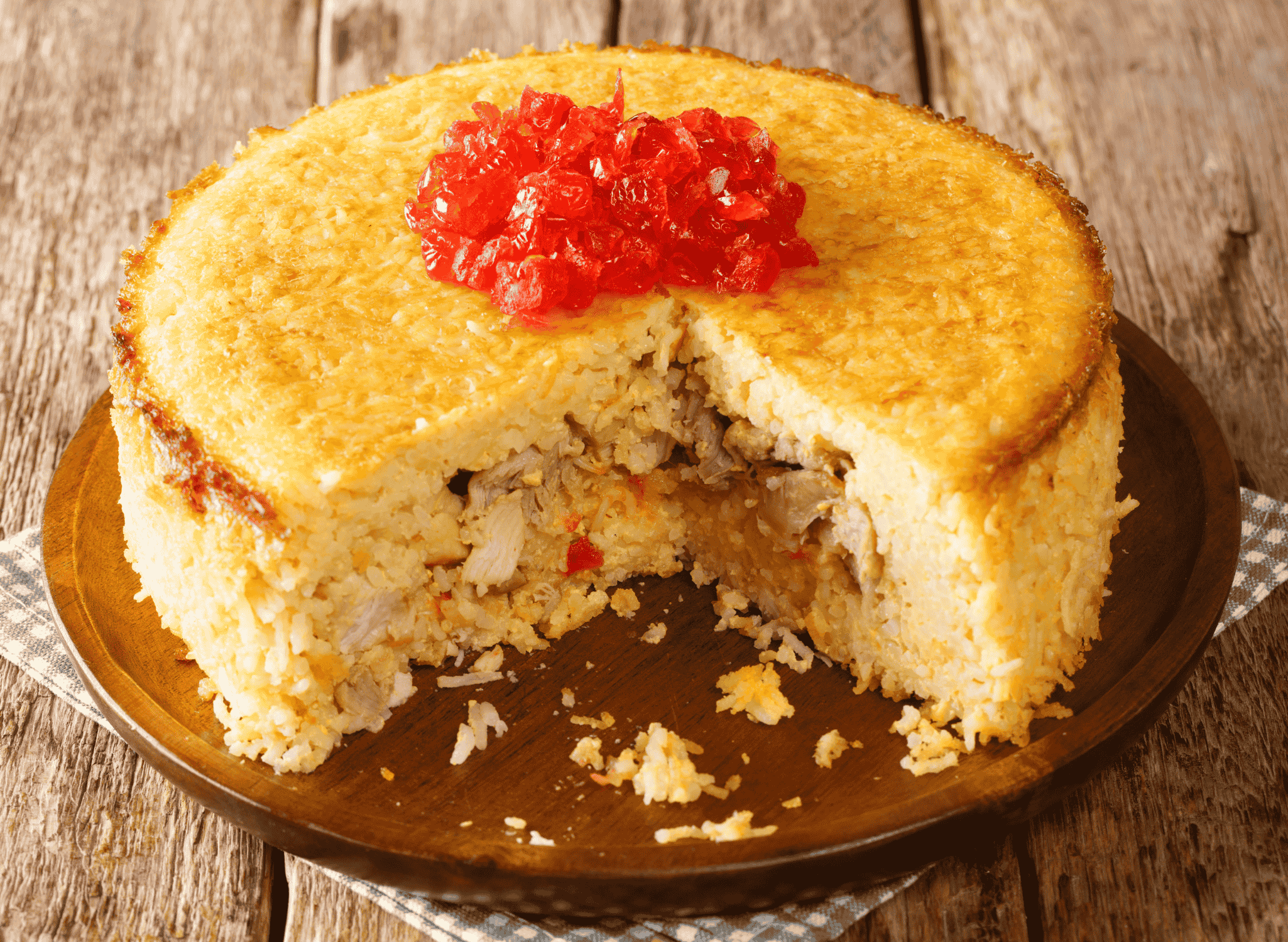
Tahchin, pronounced “tah-CHEEN,” takes its name from the Farsi words meaning “arranged at the bottom.” This perfectly describes the cooking technique: layers of saffron infused rice and marinated meat are pressed into a pot or baking dish, then cooked until the bottom transforms into a gorgeous golden crust.Think of it as a savoury rice cake with serious depth. The dish typically features chicken as its protein, though lamb and even vegetarian versions exist. The rice itself becomes richly coloured from saffron and egg yolk, creating that distinctive yellow orange hue that makes Tahchin instantly recognisable. Get The Recipe Persian Zereshk Polo (Barberry Rice with Chicken)
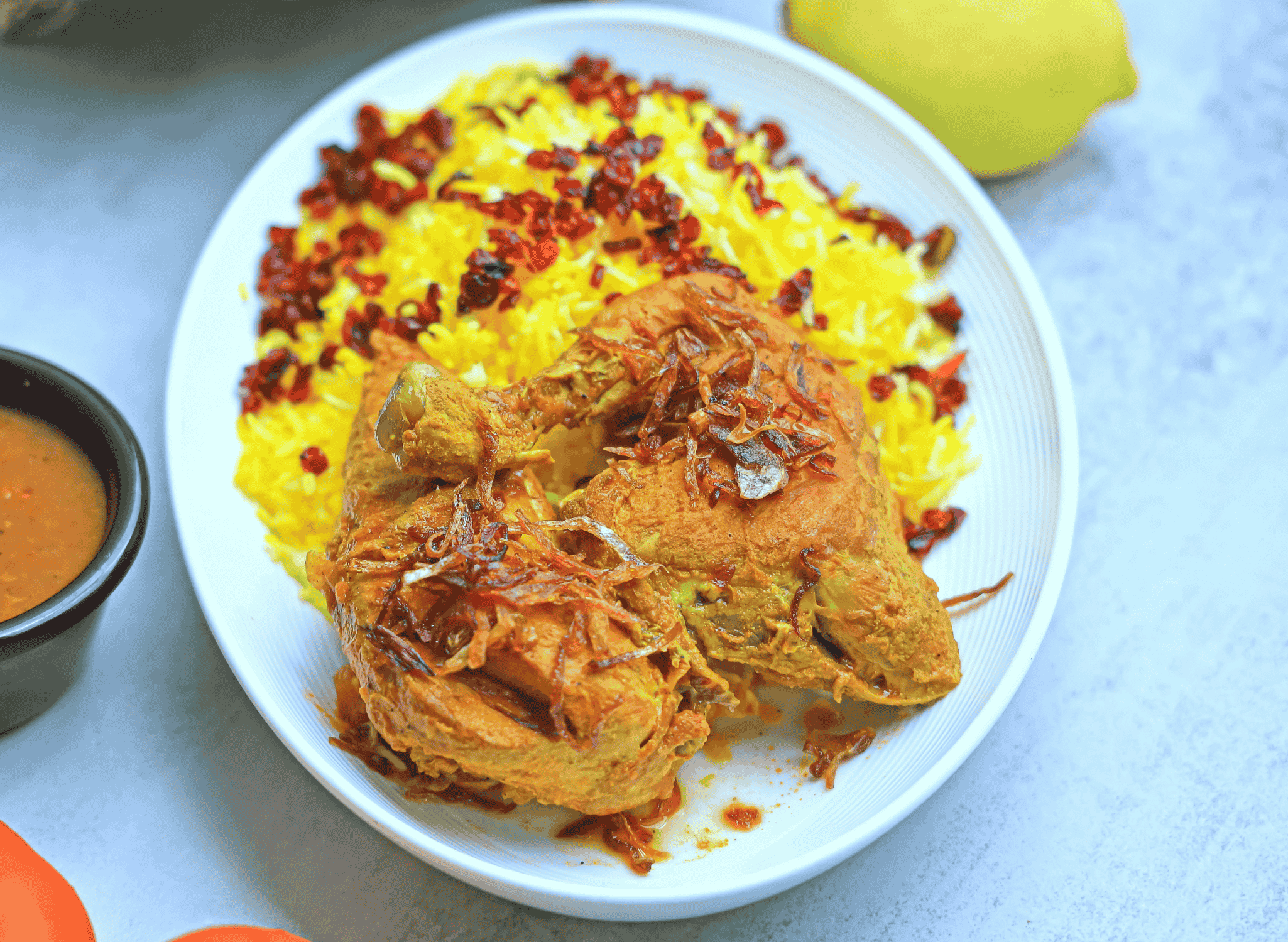
Zereshk Polo translates simply to barberry rice. The rice is steamed, fluffed, and layered with tiny dried barberries that have been briefly sautéed in butter or oil, sometimes with a little sugar to tame their sharpness. Saffron water is added so the rice takes on aroma as well as a vivid glow.Alongside the rice sits chicken, usually on the bone for depth. The chicken is first browned with onion and turmeric, then gently simmered in tomato, saffron and sometimes a hint of cinnamon or cardamom. The sauce reduces to something glossy, savoury and slightly sweet, which clings to the chicken without drowning it. Get The Recipe Persian Baghali Polo (Dill Rice with Fava Beans)
Baghali Polo is a traditional Iranian rice dish that pairs basmati with dill and broad beans, known as baghali in Persian. The rice is partly cooked then layered with herbs and beans before being steamed until light. A treasured crust forms at the bottom, turning into prized tahdig.The flavour rests on three pillars, good rice, generous dill and sweet green beans. In many homes, the dish appears at celebrations alongside lamb, yet it is equally loved at quieter family meals. When cooked well, the grains stay separate, perfumed by herbs without turning heavy. Get The Recipe