


- View
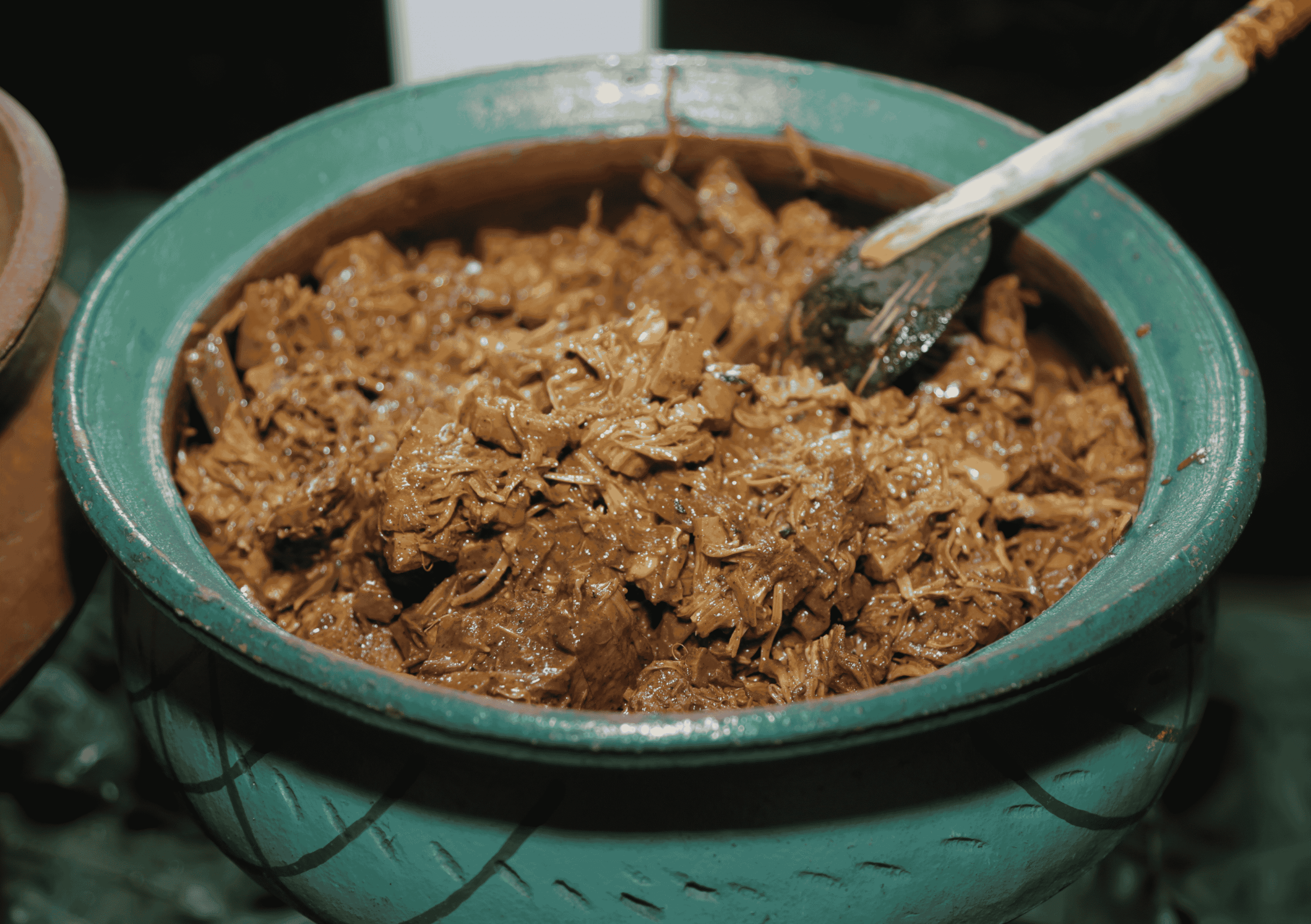
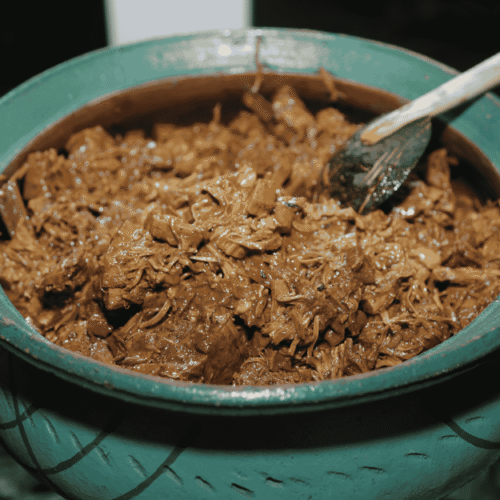
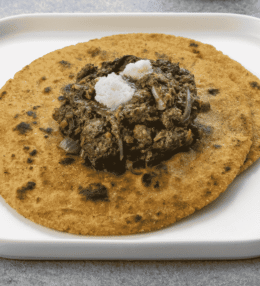
Polos curry turns young green jackfruit into tender pieces coated in a thick, deeply spiced coconut sauce. Roasted curry powder gives it an earthy warmth, goraka adds a sour edge, and curry leaves bring their fragrance to the pot. A piece should yield easily to a fork while still holding enough shape to lift onto your plate.
It is a curry to cook gently rather than rush over high heat. As the sauce reduces, it gathers around the jackfruit, leaving plenty of flavour for the rice alongside it. Serve it with a mild lentil curry and a fresh coconut sambol for a meal with a contrast of textures and seasoning.
This home version uses canned young green jackfruit, which saves peeling a fresh fruit and dealing with its sticky sap. The method keeps the pieces in chunks and gives them time to soften in the sauce. Allow about two hours from start to finish, with a little longer if the jackfruit needs it.
What Is Polos Curry?
Polos is the young, unripe stage of jackfruit used in Sri Lankan cooking. The flesh is pale and mild, with a firm texture that softens during a long simmer. It is different from the fragrant yellow pods of ripe jackfruit, which are sweet enough to eat fresh.
In this curry, the young fruit cooks with spices, aromatics, coconut milk and a sour ingredient such as goraka. Some versions finish with a little sauce, while others are reduced until the seasoning clings closely to the pieces. This recipe makes a thick curry with enough sauce to spoon over rice.
The chunky texture is part of its appeal. You do not need to pull the fruit into strands before cooking it. Leave the pieces intact and let them become tender in the pot, where their layers can take up the flavour of the sauce.
Ingredients and Taste
Young jackfruit is the starting point. Look for canned young green jackfruit in water or brine, and weigh it after draining. Fruit packed in syrup is intended for sweet uses. Rinsing brined jackfruit helps remove some of the packing liquid before you season the curry.
Sri Lankan roasted curry powder brings much of the flavour and colour. The blend varies, but coriander, cumin and other roasted spices give it a deeper taste than a mild yellow curry powder. Use a blend labelled Sri Lankan roasted curry powder rather than assuming any curry powder will give the same result.
Full fat coconut milk gives the sauce body and softens the heat of the chilli. Choose canned cooking coconut milk rather than the thin coconut drink sold for pouring over cereal. As the curry reduces, a little coconut oil may appear at the surface, giving the sauce a glossy finish.
Goraka is a dried sour fruit used in Sri Lankan cooking. Its sharpness balances the richness of the coconut milk, and a small amount goes a long way. It is sold in dried pieces or as a paste. This recipe uses weighed dried pieces so you can lift them out if the sauce becomes sour enough before the jackfruit is ready.
Curry leaves, pandan, garlic, ginger and cinnamon give the sauce another layer of fragrance. Pandan is also called rampe in Sri Lankan cooking. Mustard seeds add a little bite, while a small amount of fenugreek brings a savoury bitterness. Keep the heat controlled when frying the seeds so that bitterness does not become harsh.
A Taste of History
Polos curry belongs to Sri Lanka’s wider tradition of cooking jackfruit at different stages of growth. Young fruit is used in dishes such as this one, while more mature, unripe fruit is cooked in preparations such as kiri kos. Once ripe, the sweet flesh can be eaten without cooking.
Long cooking over a low wood fire is one traditional way of preparing polos. The slow heat gives the pieces time to soften and the sauce time to concentrate. A heavy saucepan on the hob makes that approach manageable at home, although it will not reproduce the flavour of a wood fire.
The dish does not need an elaborate origin story to explain its place at the table. It is part of the practical use of a familiar local crop, served with rice and other curries. Canned jackfruit offers cooks away from growing regions another way to prepare it.
How to Make Sri Lankan Polos Curry
Soak the goraka while you prepare the jackfruit and aromatics, then build the sauce in a heavy pan. Keep the simmer gentle and check the thick end of a jackfruit piece before reducing the sauce. See the recipe card at the bottom for exact ingredient quantities and printable cooking instructions.
Ingredients
For the curry
- Canned young green jackfruit in water or brine, drained and rinsed
- Coconut oil
- Black mustard seeds
- Fenugreek seeds
- Onion, finely sliced
- Garlic, finely chopped
- Fresh ginger, finely chopped
- Green chillies, slit lengthways
- Fresh or frozen curry leaves
- Pandan leaf, also called rampe
- Cinnamon stick
- Sri Lankan roasted curry powder
- Red chilli powder
- Ground turmeric
- Ground black pepper
- Dried goraka
- Full fat coconut milk
- Hot water
- Fine sea salt
To serve, optional
- Cooked rice
- Sri Lankan lentil curry
- Coconut sambol
Equipment
Use a heavy saucepan or casserole with a lid, about 22 cm wide and with a capacity of 2.5 to 3 litres. A broad spoon or silicone spatula helps you turn the pieces without breaking them. A clay pot is not essential for this method.
Cooking Instructions
Step 1: Prepare the Jackfruit and Goraka
Soak the goraka in some of the measured hot water for 20 minutes, keeping both the pieces and their soaking liquid. Meanwhile, drain and rinse the jackfruit. Cut any large pieces into chunks about 3 cm across, trimming away only exceptionally hard core or firm seeds. Leave the tender layers together.
Step 2: Temper the Seeds and Soften the Onion
Heat the coconut oil over medium heat. Add the mustard and fenugreek seeds and cook for about 30 seconds, until the mustard starts to pop. Add the onion, curry leaves, pandan and cinnamon. Cook for 5 to 7 minutes, stirring, until the onion softens. Lower the heat if the seeds begin to darken quickly.
Step 3: Add the Aromatics and Ground Spices
Stir in the garlic, ginger and green chillies and cook for 1 minute. Lower the heat, then add the roasted curry powder, red chilli powder, turmeric and black pepper. Stir for about 30 seconds, just until fragrant. If the spices catch, loosen them with a spoonful of the measured water.
Step 4: Add the Jackfruit and Coconut Milk
Add the jackfruit and turn gently in the spices for 1 minute. Pour in the coconut milk, the remaining measured water, and the goraka with its soaking liquid. Add half the salt. Stir around the bottom of the pan to release the spices, then bring to a gentle simmer.
Step 5: Simmer Until Tender
Cover and cook over low heat for about 60 to 90 minutes. Turn the pieces gently every 15 to 20 minutes, checking that the base is not sticking. Add a small splash of hot water if the sauce becomes too dry. The thick end of a piece should be easy to pierce with a fork. Taste the sauce during cooking and remove the goraka if it is already sour enough.
Step 6: Reduce and Check the Seasoning
Once the jackfruit is tender, remove the lid and simmer gently for about 10 to 15 minutes. Turn the pieces occasionally until the sauce is thick enough to coat them. Taste and add the remaining salt only as needed. Remove any goraka still in the pot, along with the cinnamon and pandan.
Step 7: Rest and Serve
Take the pan off the heat and rest for 10 minutes. The sauce will thicken a little as it stands. Serve warm with rice, lentil curry and coconut sambol, spooning the sauce over the jackfruit as you dish it up.
Variations and Substitutions
Fresh young jackfruit: Use the same prepared weight of very young fruit after removing the rind and any tough core. Cut it into chunks about 3 cm across. It may need longer to become tender, so keep checking the liquid and add hot water as required. Mature unripe fruit and sweet ripe pods will give a different texture or flavour.
Tamarind instead of goraka: Tamarind is used in some polos recipes and gives a fruitier sourness. Start with a small amount of ordinary unsweetened tamarind paste and adjust after simmering. Concentrated products vary considerably, so do not replace goraka with the same weight of concentrate.
Pandan: Fresh or frozen leaf works. If you cannot find it, leave it out; the curry will lose that part of its aroma. Sweetened pandan extract and pandan dessert flavouring are unsuitable here.
A milder curry: Reduce the red chilli powder and use fewer green chillies. Keep the roasted curry powder, since it provides much of the curry’s flavour as well as contributing to its colour.
Cooking Tips for Polos Curry
- Keep the jackfruit chunky. Vigorous stirring can turn tender pieces into loose fibres before the sauce has finished reducing.
- Test the thick end of a piece, not just its outer layers. If it resists the fork, keep the pan covered and continue cooking with enough liquid to prevent sticking.
- If the sauce tastes too sour, remove the goraka pieces. Balance cautiously with a little more coconut milk rather than adding more salt.
- A brown sauce does not prove the fruit is tender. Curry powder brands and cooking times affect the colour, so use texture to judge readiness.
- Full fat coconut milk can release a little oil during cooking. That is compatible with a reduced curry; constant hard boiling is unnecessary.
What to Serve with Polos Curry
Plain rice gives the sauce somewhere to go without competing with the spices. A mild lentil curry provides a softer contrast, while coconut sambol adds freshness. If you want another way to cook young jackfruit, try it in the lighter broth of Indonesian Sayur Asem.
How to Store and Reheat
Storing in the Fridge
Divide leftover curry into shallow containers, cool it promptly and refrigerate within two hours of cooking. Keep covered and eat within 48 hours. If you have cooked rice alongside it, cool that separately, ideally within one hour, refrigerate and eat within 24 hours.
Freezing and Defrosting
Freeze cooled curry in suitable containers, divided into portions so you can defrost only what you need. Label and date them. Defrost in the fridge and use within 24 hours of fully defrosting. The coconut sauce may look slightly separated after thawing; gentle reheating and stirring will help bring it together.
Reheating
Reheat a portion in a covered saucepan over gentle heat, adding a small splash of water if the sauce has thickened. Turn the jackfruit carefully and make sure it is steaming hot throughout. For a microwave, use a suitable covered dish and stir between heating intervals. Reheat only once and
Notes
Storage: Cool in shallow containers and refrigerate within two hours. Eat within 48 hours or freeze in portions. Defrost in the fridge, use within 24 hours of fully defrosting, and reheat once until steaming hot throughout. Store rice separately and follow its shorter cooling and storage guidance.serve straight away.
Buying jackfruit: The 600 g is a drained weight, not the total weight printed on a can. Buy enough to reach that weight based on the label. Use young green jackfruit without an added sauce or syrup.
Cooking time: The card is a planning estimate based on about 60 minutes of covered simmering. Firmer pieces may need the full 90 minutes or longer, extending the total by about 30 minutes or more. Check tenderness before reducing.
Fresh fruit: Substitute 600 g prepared, very young jackfruit, peeled and cut to about 3 cm. Its cooking time and water needs may differ; follow the same fork tenderness cue and add hot water as needed.
Souring alternative: Replace the dried goraka and its 50 ml soaking water with 1 tsp ordinary unsweetened tamarind paste mixed into the full 200 ml cooking water. Taste after simmering and increase cautiously if needed. This is a starting amount rather than a strength equivalent. Strong tamarind concentrates need less, according to their label.
Other substitutions: Omit pandan if unavailable. Use ½ tsp red chilli powder and 1 green chilli for a milder version, keeping the roasted curry powder.
Sri Lankan Polos Curry (Young Jackfruit Curry)
Ingredients
- 600 g canned young green jackfruit in water or brine weighed after draining, rinsed and cut into chunks about 3 cm across
- 5 g dried goraka about 1 to 2 small pieces
- 200 ml hot water divided, plus extra as needed during cooking
- 1½ tbsp coconut oil
- ½ tsp black mustard seeds
- ¼ tsp fenugreek seeds
- 120 g onion finely sliced
- 12 fresh or frozen curry leaves
- 10 cm pandan leaf cut into 2 pieces
- 5 cm cinnamon stick
- 4 garlic cloves finely chopped
- 10 g fresh ginger finely chopped
- 2 green chillies slit lengthways
- 1½ tbsp Sri Lankan roasted curry powder
- 1 tsp red chilli powder or ½ tsp for less heat
- ½ tsp ground turmeric
- ½ tsp ground black pepper
- 400 ml full fat canned coconut milk
- 1 tsp fine sea salt divided, or less to taste
Instructions
- Soak the 5 g goraka in 50 ml of the measured hot water for 20 minutes. Keep the pieces and liquid. Meanwhile, drain, rinse and weigh the jackfruit. Cut large pieces to about 3 cm and trim away exceptionally hard core or firm seeds, leaving the layers together.
- Heat the coconut oil in the heavy pan over medium heat. Add the mustard and fenugreek seeds for about 30 seconds, until the mustard begins to pop. Add the onion, curry leaves, pandan and cinnamon. Cook for 5 to 7 minutes until the onion softens, lowering the heat if the seeds darken quickly.
- Stir in the garlic, ginger and green chillies for 1 minute. Lower the heat and add the roasted curry powder, red chilli powder, turmeric and black pepper. Stir for about 30 seconds until fragrant. Use a spoonful of the remaining measured water if the spices catch.
- Add the jackfruit and turn in the spices for 1 minute. Add the coconut milk, the remaining measured water, and the goraka with its soaking liquid. Add ½ tsp of the salt. Stir gently around the base and bring to a gentle simmer.
- Cover and cook on low for 60 to 90 minutes. Turn gently every 15 to 20 minutes and check the base. Add extra hot water, about 50 ml at a time, if the sauce becomes too dry before the pieces are tender. A fork should pass easily through the thick end of a piece. Taste during cooking and remove the goraka if the sauce is already sour enough.
- Uncover and simmer gently for 10 to 15 minutes, turning occasionally, until the sauce coats the pieces. Taste and add the remaining ½ tsp salt only as needed. Remove the cinnamon, pandan and any goraka left in the pot.
- Take off the heat and rest for 10 minutes before serving warm with the optional rice, lentil curry and coconut sambol.


Leave a Review