



- View
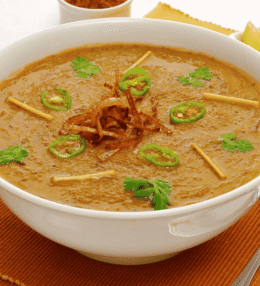
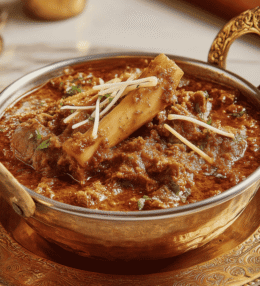
Siri Paye is a Pakistani stew made with head meat and trotters, cooked slowly until the meat softens and the broth develops a gently sticky texture. Ginger, garlic and warm spices give it depth, while lemon and fresh chilli brighten the rich gravy at the table.
This goat version serves four and uses head meat prepared by a butcher, rather than a whole skull. Allow roughly six hours from preparation to serving. The cooking is gradual, with regular checks on the pot, so choose a day when you can give the trotters enough time to soften.
What Is Siri Paye?
Siri refers to the head, while paye refers to the feet or trotters. Together, they make a stew with two distinct contributions: the head supplies meat, and the trotters give the broth much of its gelatinous body. A dish made only with trotters is usually called paye.
The texture can be unfamiliar if you have only eaten curries made with boneless meat. Trotters contain skin, tendons and bones, with relatively little muscle meat. After prolonged simmering, the edible tissue becomes soft and slippery, while the cooking liquid feels richer without needing flour.
Goat, sheep and cattle appear in different versions of the dish. This recipe is specifically written for goat trotters and boneless goat head meat. It does not use brain, which some cooks prepare separately, and it should not be treated as a direct formula for much larger beef trotters.
Ingredients and Taste
The flavour begins with a stock made from the trotters, onion, ginger, garlic and whole spices. Cinnamon, cardamom and cloves lend fragrance rather than sweetness. The long simmer draws flavour from the meat and connective tissue, so there is no need for a stock cube.
A separate onion and yoghurt masala gives the broth a fuller savoury flavour. Coriander and cumin provide an earthy background, while turmeric and Kashmiri chilli powder add colour. The yoghurt contributes a little tang without making the stew taste sharply sour.
Fresh garnishes change each mouthful. Ginger brings a clean bite, green chilli adds direct heat, and lemon helps balance the richness. Offer them separately so that someone who prefers a mild bowl can enjoy the stew alongside a guest who likes plenty of chilli.
A Taste of History
Siri Paye belongs to a wider South Asian tradition of cooking head meat and trotters rather than reserving meals for prime cuts. Similar paya dishes appear across the region, with differences in spices, meat choice and whether the finished broth is light or more concentrated.
Paye also has a longstanding association with breakfast and cold weather meals. Earlier cooking methods allowed the pot to simmer slowly through the night so it was ready in the morning. At home today, cooking during the day and chilling it safely for breakfast is a more manageable approach.
Pakistani versions are enjoyed at family meals and festive gatherings, including Eid. There is no need to attach the dish to a single royal kitchen or an exact invention date to explain its importance. Its character comes from patient cooking and making full use of the animal.
What Should You Ask the Butcher For?
Ask for goat trotters that are cleaned, free of hair, and prepared with the outer hoof coverings removed. Have the butcher cut them across the joints into pieces that fit comfortably in your pot. The weight in this recipe includes their bones, so it is not equivalent to a kilogram of boneless meat.
For the siri, request 600 g of edible boneless head meat, such as cheeks, with unwanted tissue and fragments removed. Explain that you do not want brain included. A whole head has a very different edible yield, so weighing the prepared meat makes the four serving recipe easier to follow.
Professional preparation is especially useful for a first attempt. Singeing, splitting a skull and removing hard hoof coverings are not tasks you need to carry out in your kitchen for this version. Keep the prepared ingredients chilled until cooking and clean equipment after handling raw meat.
How Long Should Siri Paye Cook?
For this method, the trotters simmer for about four to five hours before the final masala stage. Age, size and preparation can change that timing, so use it as a guide. The skin and connective tissue should soften readily under a fork, with the meat becoming easy to separate.
Boneless head meat may soften earlier than the trotters. Giving the trotters a two hour head start lets you judge the two ingredients separately. If the head meat is ready first, hold it briefly in a covered bowl with hot broth while the trotters finish, then return it for the final simmer.
Why Does the Broth Set When Cold?
As the trotters cook, collagen is converted into gelatin, which gives the liquid body. The broth can become jelly like in the fridge and loosen again when reheated. A firm chilled texture is not a reason to dilute the stew before warming it.
The hot broth should still flow from a spoon. If it tastes watery once the trotters are tender, a short uncovered simmer can concentrate it. If the flavour is already strong, avoid reducing it aggressively just to make it thick. This version needs neither atta nor cornflour.
How to Make Siri Paye
Start the trotters in a covered pot, add the prepared head meat later, and finish with an onion and yoghurt masala. Keep the simmer gentle and check the water level regularly. See the recipe card at the bottom for printable directions
Ingredients
For the broth
- 1 kg goat trotters, weighed with bones after cleaning, professionally prepared with hair and outer hoof coverings removed, cut across the joints by the butcher
- 600 g boneless goat head meat, such as cheek meat, professionally cleaned and trimmed, cut into pieces about 4 cm across; exclude brain
- 2 litres water, plus extra hot water as needed
- 1 medium onion, about 150 g, peeled and quartered
- 1 tbsp ginger paste, without added salt
- 1 tbsp garlic paste, without added salt
- 1½ tsp fine salt, with extra only if needed after cooking
- 1 cinnamon stick, about 5 cm long
- 1 black cardamom pod, lightly cracked
- 4 green cardamom pods, lightly cracked
- 4 cloves
- 1 bay leaf
For the masala
- 4 tbsp ghee
- 1 large onion, about 250 g before peeling, finely chopped
- 1 tbsp ginger paste, without added salt
- 1 tbsp garlic paste, without added salt
- 2 tsp ground coriander
- 1 tsp ground cumin
- 1 tsp Kashmiri chilli powder
- ½ tsp hot chilli powder, or less to taste
- ½ tsp ground turmeric
- ½ tsp ground black pepper
- 150 g plain full fat yoghurt, whisked until smooth
- 1 tsp garam masala
Optional garnishes and accompaniments
- 2 tbsp fresh ginger, cut into fine matchsticks
- 1 green chilli, finely sliced
- 10 g fresh coriander, chopped
- 1 lemon, cut into wedges
- 4 naan breads, warmed according to their packet instructions
Equipment
- Heavy cooking pot with a fitted lid, about 6 litres capacity
- Large frying pan for the masala
- Slotted spoon, wooden spoon and ladle
- Knife, chopping board, measuring jug and measuring spoons
- Clean food thermometer
Cooking Instructions
Step 1: Prepare the pot
Use the professionally cleaned and prepared trotters and head meat described in the ingredient list. Check for visible loose bone fragments. Keep the head meat refrigerated while starting the trotters. Put the trotters in a heavy pot of about 6 litres capacity with the 2 litres water, quartered onion, broth ginger and garlic pastes, salt, cinnamon, both types of cardamom, cloves and bay leaf. The water should just cover the pieces; add a little more if needed.
Step 2: Start simmering the trotters
Bring to a boil over medium to high heat, skimming off the foam that rises. Reduce the heat to a gentle simmer with occasional small bubbles. Cover and cook for 2 hours, checking every 45 to 60 minutes. Stir along the bottom and top up with hot water in 100 to 200 ml portions when necessary to keep the pieces submerged. Do not leave the hob unattended.
Step 3: Add the head meat
Add the refrigerated head meat, bring the liquid back to a gentle boil, then reduce the heat and cover again. Simmer for another 2 to 3 hours, checking the liquid level and tenderness. The meat should be easy to separate with a spoon, and the skin and connective tissue around the trotters should feel soft when pressed with a fork. If the head meat becomes tender first, transfer it with a slotted spoon into a covered bowl with a little hot broth while the trotters finish; return it promptly in Step 7. If the trotters remain firm, continue simmering and check every 30 minutes.
Step 4: Cook the onion for the masala
When the trotters are tender, keep the broth at a very low simmer. In a separate frying pan, heat the ghee over medium heat. Add the chopped onion and cook for about 12 to 15 minutes, stirring frequently, until evenly golden. Lower the heat if the onion starts catching.
Step 5: Add the pastes and ground spices
Stir the masala ginger and garlic pastes into the onion and cook for 1 minute. Add the coriander, cumin, Kashmiri chilli powder, hot chilli powder, turmeric and black pepper. Stir over low heat for about 30 seconds, then add 2 tbsp broth from the pot to prevent scorching.
Step 6: Cook the yoghurt masala
Keep the frying pan over low heat and add the whisked yoghurt a spoonful at a time, stirring after each addition. Cook for about 8 to 10 minutes, stirring frequently, until the mixture has thickened and small beads of fat appear at its edges. Add a spoonful of broth if it starts sticking. Small yoghurt flecks do not ruin the stew.
Step 7: Combine and adjust the broth
Transfer all the masala into the broth pot. Return any head meat set aside, including its juices. Stir gently and simmer uncovered for 20 to 30 minutes so the flavours combine. Add the garam masala for the final 5 minutes. If the broth is too thin, simmer a little longer; if too concentrated, add hot water in small amounts. Aim for a flowing broth with a lightly sticky feel, rather than a thick curry paste. The meat must be thoroughly cooked; a clean probe in a thick piece should read at least 75°C for 30 seconds.
Step 8: Remove whole spices and serve
Remove the cinnamon, bay leaf, cardamom pods and any visible cloves. Check for loose bone fragments and taste before adding more salt. Warm the naan if using. Divide the head meat, trotters and broth between four bowls and offer ginger, chilli, coriander and lemon separately. Explain that the trotter bones are not eaten.
Variations and Substitutions
Making Paye Without Head Meat
You can omit the head meat for a trotters only version, but call it paye and expect less meat in each bowl. The broth will still develop body from the trotters. The stated four main meal portions are based on including the 600 g head meat, so reassess the yield if leaving it out.
Using Lamb or Beef
Lamb trotters are another option, but their size and cooking time vary. Beef trotters are generally much larger and need a separately developed recipe with suitable equipment and liquid quantities. Swapping the number of feet without checking their weight is unreliable.
Adjusting the Heat and Cooking Fat
For a milder stew, leave out the hot chilli powder and serve the fresh chilli separately. Kashmiri chilli powder can still contribute some heat, so check your brand. Four tablespoons of neutral oil can replace the ghee, though the finished masala will lack its buttery aroma.
Cooking Tips for Perfect Siri Paye
- Use professionally prepared ingredients. Long cooking softens connective tissue, but it does not replace removing hair, hard hoof coverings or bone fragments.
- Keep the pieces just covered during the long simmer. Add hot water gradually instead of letting the pot dry out and trying to repair the concentrated broth later.
- Cook the yoghurt into the masala over low heat. Whisking it first and adding it gradually makes it easier to incorporate.
- Stir gently once the head meat is tender. Vigorous stirring can break it into shreds and scatter loose bones through the pot.
- Taste for salt after the final reduction. Evaporation concentrates seasoning, so an early adjustment can leave the finished dish too salty.
- Serve with naan and a separate bowl for bones. Bread is useful for gathering the broth, while the head meat makes each portion more substantial.
How to Store and Reheat
Storing Siri Paye
Divide leftovers into shallow containers so they cool promptly, then cover and refrigerate within one to two hours. Keep the fridge at 5°C or below and use within 48 hours. Do not leave the full cooking pot on the counter overnight.
Freezing Siri Paye
Freeze cooled portions promptly in sealed containers, with enough broth to surround the meat. Label the date and aim to use within two to three months for quality. Keep fresh ginger, herbs, chilli and lemon separate and prepare them when serving.
Defrosting Siri Paye
Defrost thoroughly in the fridge, allowing enough time for the centre of each portion to thaw. Use within 24 hours of complete defrosting. Smaller portions are easier to thaw and let you reheat only what you intend to eat.
Reheating Siri Paye
Warm in a saucepan over low heat until the chilled gelatin loosens, then raise the heat slightly and stir frequently. Add a little water only if needed. Reheat until steaming hot throughout, reheat leftovers only once, and finish with fresh garnishes.

Pakistani Siri Paye (Head and Trotter Stew)
Ingredients
For the broth
- 1 kg goat trotters weighed with bones after cleaning, professionally prepared with hair and outer hoof coverings removed, cut across the joints by the butcher
- 600 g boneless goat head meat such as cheek meat, professionally cleaned and trimmed, cut into pieces about 4 cm across; exclude brain
- 2 litres water plus extra hot water as needed
- 1 medium onion about 150 g, peeled and quartered
- 1 tbsp ginger paste without added salt
- 1 tbsp garlic paste without added salt
- 1½ tsp fine salt with extra only if needed after cooking
- 1 cinnamon stick about 5 cm long
- 1 black cardamom pod lightly cracked
- 4 green cardamom pods lightly cracked
- 4 cloves
- 1 bay leaf
For the masala
- 4 tbsp ghee
- large onion about 250 g before peeling, finely chopped
- 1 tbsp ginger paste without added salt
- 1 tbsp garlic paste without added salt
- 2 tsp ground coriander
- 1 tsp ground cumin
- 1 tsp Kashmiri chilli powder
- ½ tsp hot chilli powder or less to taste
- ½ tsp ground turmeric
- ½ tsp ground black pepper
- 150 g plain full fat yoghurt whisked until smooth
- 1 tsp garam masala
Optional garnishes and accompaniments
- 2 tbsp fresh ginger cut into fine matchsticks
- 1 green chilli finely sliced
- 10 g fresh coriander chopped
- 1 lemon cut into wedges
- 4 naan breads warmed according to their packet instructions
Instructions
- Use the professionally cleaned and prepared trotters and head meat described in the ingredient list. Check for visible loose bone fragments. Keep the head meat refrigerated while starting the trotters. Put the trotters in a heavy pot of about 6 litres capacity with the 2 litres water, quartered onion, broth ginger and garlic pastes, salt, cinnamon, both types of cardamom, cloves and bay leaf. The water should just cover the pieces; add a little more if needed.
- Bring to a boil over medium to high heat, skimming off the foam that rises. Reduce the heat to a gentle simmer with occasional small bubbles. Cover and cook for 2 hours, checking every 45 to 60 minutes. Stir along the bottom and top up with hot water in 100 to 200 ml portions when necessary to keep the pieces submerged. Do not leave the hob unattended.
- Add the refrigerated head meat, bring the liquid back to a gentle boil, then reduce the heat and cover again. Simmer for another 2 to 3 hours, checking the liquid level and tenderness. The meat should be easy to separate with a spoon, and the skin and connective tissue around the trotters should feel soft when pressed with a fork. If the head meat becomes tender first, transfer it with a slotted spoon into a covered bowl with a little hot broth while the trotters finish; return it promptly in Step 7. If the trotters remain firm, continue simmering and check every 30 minutes.
- When the trotters are tender, keep the broth at a very low simmer. In a separate frying pan, heat the ghee over medium heat. Add the chopped onion and cook for about 12 to 15 minutes, stirring frequently, until evenly golden. Lower the heat if the onion starts catching.
- Stir the masala ginger and garlic pastes into the onion and cook for 1 minute. Add the coriander, cumin, Kashmiri chilli powder, hot chilli powder, turmeric and black pepper. Stir over low heat for about 30 seconds, then add 2 tbsp broth from the pot to prevent scorching.
- Keep the frying pan over low heat and add the whisked yoghurt a spoonful at a time, stirring after each addition. Cook for about 8 to 10 minutes, stirring frequently, until the mixture has thickened and small beads of fat appear at its edges. Add a spoonful of broth if it starts sticking. Small yoghurt flecks do not ruin the stew.
- Transfer all the masala into the broth pot. Return any head meat set aside, including its juices. Stir gently and simmer uncovered for 20 to 30 minutes so the flavours combine. Add the garam masala for the final 5 minutes. If the broth is too thin, simmer a little longer; if too concentrated, add hot water in small amounts. Aim for a flowing broth with a lightly sticky feel, rather than a thick curry paste. The meat must be thoroughly cooked; a clean probe in a thick piece should read at least 75°C for 30 seconds.
- Remove the cinnamon, bay leaf, cardamom pods and any visible cloves. Check for loose bone fragments and taste before adding more salt. Warm the naan if using. Divide the head meat, trotters and broth between four bowls and offer ginger, chilli, coriander and lemon separately. Explain that the trotter bones are not eaten.

Leave a Review