


- View
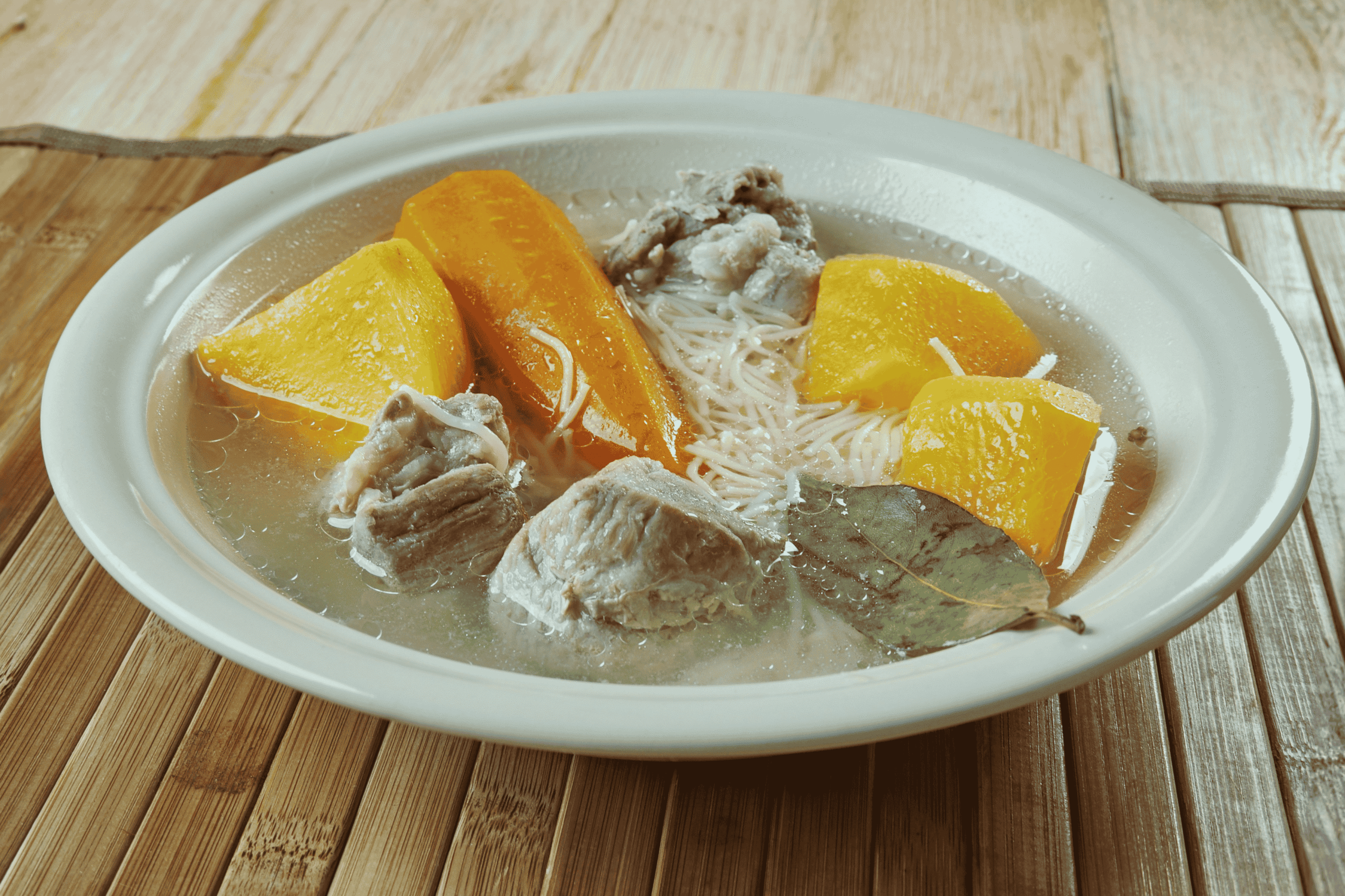
Húsleves is Hungary’s clear meat broth soup, often served before a Sunday meal or family celebration. It looks simple in the bowl, yet its flavour comes from slow cooking, patient skimming, and good ingredients rather than heavy seasoning.
This is the kind of soup that feels calm and generous. Golden broth is poured over fine noodles, tender vegetables, and pieces of meat. It is light enough to open a meal, but rich enough to feel deeply satisfying.
Want to dive deeper into Hungarian Cuisine? Don’t miss our post on Traditional Hungarian Foods to Try
What Is Húsleves?
Húsleves means meat soup, although it is closer to a clear broth than a thick soup. Beef, chicken, hen, turkey, or sometimes pork bones are simmered gently with root vegetables until the liquid becomes fragrant and clear.
In many Hungarian homes, the broth is served first with noodles, then the meat and vegetables may follow on a separate plate with mustard, horseradish, or pickles. This makes the dish feel both comforting and ceremonial.
Ingredients and Taste
Common ingredients include beef shin, chicken, marrow bones, carrots, parsley root, celery root, onion, garlic, kohlrabi, peppercorns, and salt. Some cooks add cabbage leaves, tomato, or green pepper for a fuller aroma.
The taste is clean, savoury, and quietly sweet from the vegetables. The meat gives body, while the peppercorns bring warmth without heat. A well made húsleves should taste rounded, clear, and nourishing without feeling greasy.
The noodles matter too. Hungarian cérnametélt, very fine soup noodles, are often cooked separately so the broth stays clear. When added to the bowl, they soften into the soup and make each spoonful delicate but filling.
A Taste of History
Húsleves belongs to the long Central European tradition of slow simmered broths, shaped by rural kitchens where every part of the animal had value. Bones, tougher cuts, and seasonal roots became the base for a careful, elegant soup.
In Hungary, it became strongly linked with Sunday lunch. Families would place a pot on the stove in the morning, letting it simmer while other dishes were prepared. By midday, the broth had turned golden and the table felt ready.
The dish also reflects Hungary’s respect for clear soups. Unlike paprika rich stews, húsleves depends on restraint. The cook’s skill shows in the clarity of the broth, the tenderness of the meat, and the gentle balance of vegetables.
How to Make Húsleves
Húsleves is one of Hungary’s most cherished comfort dishes, traditionally served at Sunday family lunches and festive gatherings. The broth is gently simmered for hours to draw out deep flavour from the meat, bones, and vegetables, creating a clear golden soup with remarkable richness. Patience is the secret here, as slow cooking gives the broth its unmistakable character. See the recipe card at the bottom for printable directions
Ingredients
For the Broth
- 700 g beef shin or beef chuck with bone
- 1 marrow bone
- 2 litres cold water
- 2 large carrots, peeled
- 2 parsley roots or parsnips, peeled
- 1 small celery root, peeled and halved
- 1 medium onion, skin on and halved
- 2 garlic cloves
- 1 small kohlrabi, peeled and halved (optional but traditional)
- 1 small tomato
- 1 green pepper
- 1 tbsp sea salt
- 8 whole black peppercorns
- Small bunch fresh parsley
For Serving
- 120 g fine soup noodles or vermicelli
- Fresh parsley, finely chopped
Cooking Instructions
Step 1: Prepare the meat and vegetables
Rinse the beef and marrow bone under cold water to remove any loose fragments. Peel and trim the vegetables, keeping them in large pieces so they hold their shape during the long simmer. Leave the onion skin on, as it gives the broth its warm golden colour. Set everything aside before starting the broth.
Step 2: Start the broth slowly
Place the beef and marrow bone into a large stockpot and pour over the cold water. Bring the pot slowly to a gentle simmer over medium heat. As foam rises to the surface, carefully skim it away with a spoon to keep the broth clear and refined. Continue skimming before moving to the next stage.
Step 3: Add the vegetables and seasoning
Once the broth is mostly clear, add the carrots, parsley roots, celery root, onion, garlic, kohlrabi, tomato, green pepper, salt, and peppercorns. Reduce the heat immediately so the soup barely trembles rather than boils vigorously. A slow simmer preserves both clarity and delicate flavour.
Step 4: Simmer gently
Allow the soup to cook uncovered for 2½ to 3 hours. Resist stirring the broth, as too much movement can cloud it. Check occasionally and skim away any excess fat or foam from the surface while the flavours deepen naturally.
Step 5: Test the meat and vegetables
After several hours, the beef should feel tender when pierced with a fork, and the vegetables should be soft but not collapsing. Taste the broth and adjust the salt carefully if needed. Traditional Húsleves should taste rich yet balanced rather than heavily seasoned.
Step 6: Strain the broth
Remove the meat and vegetables carefully with a slotted spoon. Strain the broth through a fine sieve into a clean pot to achieve a beautifully clear soup. Discard the peppercorns and onion skin before continuing.
Step 7: Cook the noodles separately
Bring a smaller pan of salted water to the boil and cook the soup noodles according to the packet instructions. Cooking them separately prevents the broth from becoming starchy or cloudy. Drain the noodles and keep warm for serving.
Step 8: Slice and prepare for serving
Cut the cooked carrots into smaller pieces and shred or slice the beef neatly. Some Hungarian households serve the meat separately with mustard or horseradish, while others return part of it directly to the soup. Arrange everything before plating.
Step 9: Serve the Húsleves
Place a small portion of noodles into each bowl, ladle over the hot broth, and add carrots and beef. Finish with finely chopped parsley for freshness. Serve piping hot with crusty bread and a little extra horseradish on the side for a traditional Hungarian touch.
Variations and Substitutions
- Chicken can replace beef for a lighter but equally traditional version.
- Parsley root may be replaced with parsnip if unavailable.
- Kohlrabi can be omitted, though it adds an earthy sweetness common in Hungarian kitchens.
- Homemade csiga noodles may replace vermicelli for a more authentic presentation.
- A small piece of celeriac can substitute celery root if easier to source.
Cooking Tips for Perfect Húsleves
- Always begin with cold water to help extract flavour gradually from the meat and bones.
- Keep the broth at a very gentle simmer to maintain clarity.
- Skim the surface regularly during the first hour for the cleanest flavour.
- Avoid overcrowding the pot with too many vegetables, which can overpower the broth.
- Let the soup rest for 10 minutes before serving so the flavours settle naturally.
How to Store and Reheat
Cooling the Soup
Let the broth cool before storing, but do not leave it out for long. Remove the meat and vegetables if you want the liquid to stay clean tasting. Once cooled, place everything in airtight containers and refrigerate.
Storing in the Fridge
Húsleves keeps well in the fridge for three to four days. Store noodles separately, as they continue to absorb liquid and can turn soft. Keeping the broth alone helps preserve its clear flavour and light texture.
Freezing the Broth
The broth freezes beautifully. Pour it into freezer safe containers, leaving a little space at the top. Freeze without noodles for better results. Meat can be frozen separately, while cooked vegetables are usually better eaten fresh.
Reheating Gently
Reheat the broth slowly on the hob until steaming hot. Avoid boiling it hard, as this can dull the clear taste and make the liquid cloudy. Add noodles only at serving time, either freshly cooked or warmed separately.
Serving After Storage
Taste before serving, as chilled broth can seem milder. A small pinch of salt may bring it back to life. Fresh parsley, a few tender carrot slices, and fine noodles make reheated húsleves feel close to freshly made.

Húsleves (Meat Broth Soup)
Ingredients
For the Broth
- 700 g beef shin or beef chuck with bone
- 1 marrow bone
- 2 litres cold water
- 2 large carrots peeled
- 2 parsley roots or parsnips peeled
- 1 small celery root peeled and halved
- 1 medium onion skin on and halved
- 2 garlic cloves
- 1 small kohlrabi peeled and halved (optional but traditional)
- 1 small tomato
- 1 green pepper
- 1 tbsp sea salt
- 8 whole black peppercorns
- Small bunch fresh parsley
For Serving
- 120 g fine soup noodles or vermicelli
- Fresh parsley finely chopped
Instructions
- Rinse the beef and marrow bone under cold water to remove any loose fragments. Peel and trim the vegetables, keeping them in large pieces so they hold their shape during the long simmer. Leave the onion skin on, as it gives the broth its warm golden colour. Set everything aside before starting the broth.
- Place the beef and marrow bone into a large stockpot and pour over the cold water. Bring the pot slowly to a gentle simmer over medium heat. As foam rises to the surface, carefully skim it away with a spoon to keep the broth clear and refined. Continue skimming before moving to the next stage.
- Once the broth is mostly clear, add the carrots, parsley roots, celery root, onion, garlic, kohlrabi, tomato, green pepper, salt, and peppercorns. Reduce the heat immediately so the soup barely trembles rather than boils vigorously. A slow simmer preserves both clarity and delicate flavour.
- Allow the soup to cook uncovered for 2½ to 3 hours. Resist stirring the broth, as too much movement can cloud it. Check occasionally and skim away any excess fat or foam from the surface while the flavours deepen naturally.
- After several hours, the beef should feel tender when pierced with a fork, and the vegetables should be soft but not collapsing. Taste the broth and adjust the salt carefully if needed. Traditional Húsleves should taste rich yet balanced rather than heavily seasoned.
- Remove the meat and vegetables carefully with a slotted spoon. Strain the broth through a fine sieve into a clean pot to achieve a beautifully clear soup. Discard the peppercorns and onion skin before continuing.
- Bring a smaller pan of salted water to the boil and cook the soup noodles according to the packet instructions. Cooking them separately prevents the broth from becoming starchy or cloudy. Drain the noodles and keep warm for serving.
- Cut the cooked carrots into smaller pieces and shred or slice the beef neatly. Some Hungarian households serve the meat separately with mustard or horseradish, while others return part of it directly to the soup. Arrange everything before plating.
- Place a small portion of noodles into each bowl, ladle over the hot broth, and add carrots and beef. Finish with finely chopped parsley for freshness. Serve piping hot with crusty bread and a little extra horseradish on the side for a traditional Hungarian touch.




Leave a Review