


- View
Rétes is one of those pastries that makes an immediate impression before you even take a bite. The paper thin layers, the gentle crackle of the crust, and the warm scent of fruit or sweet cheese give it a quiet kind of drama. It feels homely and refined at once, which is part of why it remains so beloved across Hungary.
To eat rétes is to enjoy contrast. The pastry is delicate, almost whisper thin, while the filling is soft, generous, and full of character. It can be sweet, gently tart, creamy, or even savoury, depending on what is tucked inside. That versatility has helped it stay close to daily life as well as festive tables.
In Hungary, rétes is not treated as a novelty. It belongs to bakeries, family kitchens, Sunday lunches, and market stalls. It is the kind of bake people grow up with, return to, and argue about in affectionate detail. One family may swear by apple, another by sour cherry, while someone else will insist sweet curd cheese is the true classic.
What makes it memorable is not extravagance but technique. Good rétes relies on dough stretched so thin that light nearly passes through it, then rolled with care around a filling that stays balanced rather than heavy. The result is a pastry that feels light in the hand yet deeply satisfying when served warm with coffee or tea.
What Is Rétes?
Rétes is the Hungarian form of strudel, a rolled pastry made from an elastic dough that is stretched into a very thin sheet. Once the dough is ready, a filling is spread or scattered over part of the surface, then the pastry is rolled into a long log and baked until crisp, golden, and flaky around the edges.
Unlike pastries that depend on thick layers of butter folded into dough, rétes leans on stretch and skill. The dough is worked until smooth and supple, then carefully pulled by hand across a cloth covered table. That process gives the pastry its signature delicacy, creating fine layers that shatter lightly when sliced.
The fillings give rétes its wide appeal. Sweet versions often include apple, sour cherry, poppy seed, walnuts, or túró, which is a fresh curd cheese loved in Hungarian baking. Savoury forms also exist, often filled with cabbage or other seasoned vegetables. This range allows the pastry to move easily from breakfast to pudding or an afternoon treat.
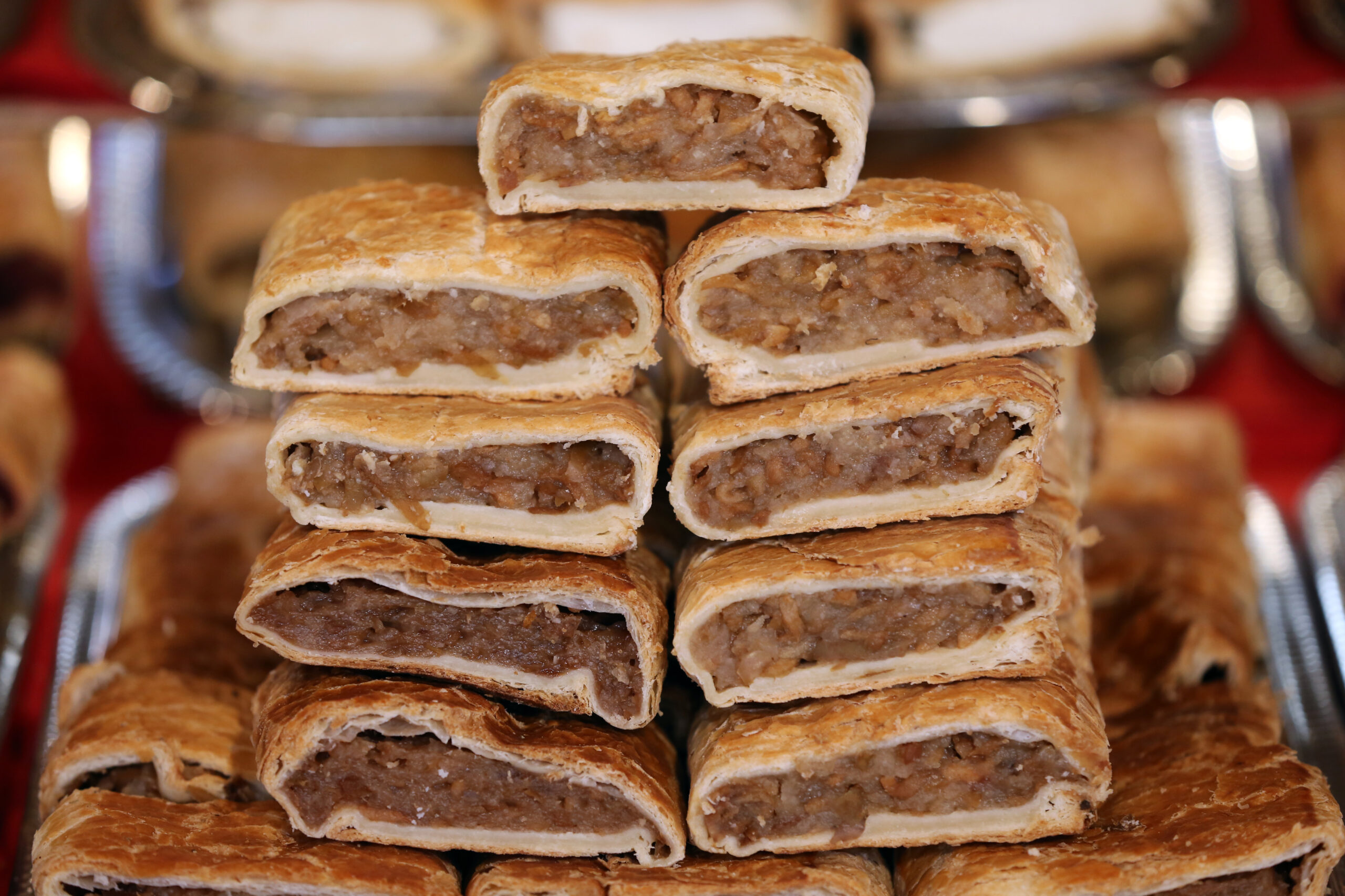
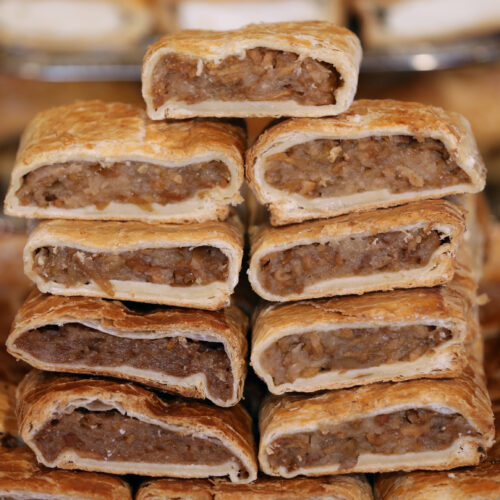
A slice of rétes looks simple enough, yet it carries a real sense of craft. You can see the thin pastry wrapped around the filling in neat spirals, and each layer has a purpose. Nothing feels random. When made well, the pastry supports the filling without burying it, so every bite stays clear and balanced.
Ingredients and Taste
The dough for rétes is usually made from plain flour, water, a little fat such as oil or butter, a pinch of salt, and sometimes a splash of vinegar. It sounds plain on paper, but that simplicity is deliberate. The dough needs strength and elasticity rather than richness, so it can be stretched without tearing too easily.
Apple rétes is one of the best known versions, and it shows how a few familiar ingredients can create something far richer in flavour than you might expect. Apples are often mixed with sugar, cinnamon, and breadcrumbs, sometimes with raisins as well. The breadcrumbs absorb juices, keeping the pastry crisp while adding a gentle toasted note.
Sour cherry filling brings a brighter, sharper personality. The fruit gives a clean tartness that cuts through the sweetness of the pastry and sugar. It feels lively on the tongue and leaves a fresher finish than richer fillings. This version is particularly appealing for anyone who likes desserts with a little edge rather than pure sweetness.
Túró rétes offers a different pleasure altogether. The filling is creamy yet light, often mixed with sugar, egg yolk, lemon zest, and sometimes raisins. It has a mild tang and a soft texture that sits beautifully against the brittle pastry. Walnut and poppy seed versions bring deeper, earthier flavours with a comforting, almost wintry warmth.
The taste of rétes depends on balance. The pastry itself is subtle, so the filling has room to speak clearly. You notice the fruit, spice, or cheese first, then the gentle crunch of the baked layers. It is sweet without becoming clumsy, rich without turning heavy, and elegant without ever feeling distant or formal.
A Taste of History
Rétes has roots in the wider world of Central European pastry, and its story reflects the long movement of ideas, techniques, and tastes across the old Habsburg lands. Many food historians trace its development through influences that travelled from the Ottoman Empire into Central Europe, where thin stretched dough traditions gradually took local form.
By the time rétes settled firmly into Hungarian kitchens, it had already become part of a broader regional food culture. Yet Hungary gave it a strong identity of its own through preferred fillings, village baking customs, and the pride attached to making the dough by hand. In many homes, the ability to stretch strudel dough was a respected skill.
Rétes gained ground in both country and town life because it could be adapted to the season and to what a household had on hand. Orchard fruit, curd cheese, poppy seeds, cabbage, and walnuts all found their way into the pastry. That practicality helped it endure, but so did the pleasure of turning simple produce into something celebratory.
Today, rétes still carries that sense of continuity. It links modern Hungary to older domestic traditions, where baking was both labour and expression. A tray of strudel on the table says something about patience, care, and hospitality. It is not merely a dessert but a familiar piece of cultural memory, passed from hand to hand.
How to Make Rétes (Hungarian Strudel)
Rétes is one of Hungary’s most cherished pastries, known for its paper thin dough stretched by hand and wrapped around a lightly sweet filling. Expect a process that rewards patience and gentle handling, especially when stretching the dough to near transparency. See the recipe card at the bottom for printable directions
Ingredients
For the Dough
- 250 g plain flour
- 1 large egg
- 120 ml lukewarm water
- 2 tbsp sunflower oil or melted lard
- ½ tsp salt
For the Filling (Traditional Apple Filling)
- 500 g tart apples, peeled and grated
- 80 g caster sugar
- 1 tsp ground cinnamon
- 1 tbsp lemon juice
- 50 g raisins
- 40 g fresh breadcrumbs
- 40 g unsalted butter
For Assembly
- 60 g melted butter, for brushing
- Icing sugar, for dusting
Cooking Instructions
Step 1: Prepare the dough
To begin, place the flour and salt into a large bowl. Make a well in the centre and add the egg, lukewarm water, and oil. Mix until a soft dough forms, then knead on a clean surface for 10 minutes until smooth and elastic. Shape into a ball, coat lightly with oil, cover, and rest for 30 minutes before moving to the next step.
Step 2: Prepare the filling
In a separate bowl, combine the grated apples with lemon juice, sugar, cinnamon, and raisins. Mix gently and set aside. Allowing the apples to sit briefly helps release excess moisture, which can be drained before assembling.
Step 3: Toast the breadcrumbs
Melt butter in a pan over medium heat and add the breadcrumbs. Stir until golden and lightly crisp. This layer will absorb juices from the apples and prevent a soggy pastry. Set aside and prepare for stretching the dough.
Step 4: Stretch the dough
Cover a large table with a clean cloth and dust lightly with flour. Place the dough in the centre and roll it out slightly, then use your hands to gently stretch it outward from underneath. Work slowly until the dough becomes thin enough to see your hand through it. Trim any thick edges before proceeding.
Step 5: Layer the base
Brush the stretched dough lightly with melted butter. Sprinkle the toasted breadcrumbs evenly across the surface, leaving a small border around the edges. This creates a stable base for the filling.
Step 6: Add the filling
Spread the apple mixture evenly over one half of the dough. Avoid overfilling, as this makes rolling difficult and can cause tearing. Prepare to roll the strudel carefully in the next step.
Step 7: Roll the strudel
Using the cloth underneath, lift and gently roll the dough over the filling into a long log. Tuck in the sides as you go to keep the filling enclosed. Transfer the rolled strudel seam side down onto a lined baking tray.
Step 8: Bake the strudel
Preheat the oven to 180°C (160°C fan). Brush the strudel generously with melted butter and bake for 35 to 40 minutes until golden and crisp. Rotate the tray halfway through for even colouring.
Step 9: Rest and finish
Remove from the oven and allow the strudel to rest for 10 minutes. This helps the layers settle and makes slicing cleaner. Lightly dust with icing sugar before serving.
Step 10: Serve
Slice into portions using a serrated knife. Serve warm, optionally with a spoon of whipped cream or custard. The contrast of crisp pastry and soft filling is at its best when freshly baked.
Variations and Substitutions
- Cheese filling: Replace apples with sweetened cottage cheese or quark mixed with egg and sugar
- Cherry filling: Use sour cherries with a touch of sugar and breadcrumbs
- Dough shortcut: If traditional stretching is difficult, use filo pastry layered with butter
- Breadcrumb substitute: Crushed plain biscuits can be used if breadcrumbs are unavailable
Cooking Tips for Perfect Rétes
- Resting the dough is essential for elasticity and easier stretching
- Stretch slowly from the centre outward to avoid tearing
- Keep hands slightly oiled to prevent sticking while stretching
- Do not skip the breadcrumb layer as it protects the pastry texture
- Brush generously with butter for a crisp golden finish
Rétes (Hungarian Strudel)
Ingredients
For the Dough
- 250 g plain flour
- 1 large egg
- 120 ml lukewarm water
- 2 tbsp sunflower oil or melted lard
- ½ tsp salt
For the Filling (Traditional Apple Filling)
- 500 g tart apples peeled and grated
- 80 g caster sugar
- 1 tsp ground cinnamon
- 1 tbsp lemon juice
- 50 g raisins
- 40 g fresh breadcrumbs
- 40 g unsalted butter
For Assembly
- 60 g melted butter for brushing
- Icing sugar for dusting
Instructions
- To begin, place the flour and salt into a large bowl. Make a well in the centre and add the egg, lukewarm water, and oil. Mix until a soft dough forms, then knead on a clean surface for 10 minutes until smooth and elastic. Shape into a ball, coat lightly with oil, cover, and rest for 30 minutes before moving to the next step.
- In a separate bowl, combine the grated apples with lemon juice, sugar, cinnamon, and raisins. Mix gently and set aside. Allowing the apples to sit briefly helps release excess moisture, which can be drained before assembling.
- Melt butter in a pan over medium heat and add the breadcrumbs. Stir until golden and lightly crisp. This layer will absorb juices from the apples and prevent a soggy pastry. Set aside and prepare for stretching the dough.
- Cover a large table with a clean cloth and dust lightly with flour. Place the dough in the centre and roll it out slightly, then use your hands to gently stretch it outward from underneath. Work slowly until the dough becomes thin enough to see your hand through it. Trim any thick edges before proceeding.
- Brush the stretched dough lightly with melted butter. Sprinkle the toasted breadcrumbs evenly across the surface, leaving a small border around the edges. This creates a stable base for the filling.
- Spread the apple mixture evenly over one half of the dough. Avoid overfilling, as this makes rolling difficult and can cause tearing. Prepare to roll the strudel carefully in the next step.
- Using the cloth underneath, lift and gently roll the dough over the filling into a long log. Tuck in the sides as you go to keep the filling enclosed. Transfer the rolled strudel seam side down onto a lined baking tray.
- Preheat the oven to 180°C (160°C fan). Brush the strudel generously with melted butter and bake for 35 to 40 minutes until golden and crisp. Rotate the tray halfway through for even colouring.
- Remove from the oven and allow the strudel to rest for 10 minutes. This helps the layers settle and makes slicing cleaner. Lightly dust with icing sugar before serving.
- Slice into portions using a serrated knife. Serve warm, optionally with a spoon of whipped cream or custard. The contrast of crisp pastry and soft filling is at its best when freshly baked.


Leave a Review