


- View
Kabab Koobideh is one of those dishes that feels instantly welcoming, even if you have never travelled to Iran. Skewers of minced meat, scented with onion and saffron, arrive beside rice, grilled tomatoes and bright herbs. It is generous food that invites sharing.
This isn’t just minced meat on a skewer. It’s a carefully crafted kebab that requires skill, patience, and an understanding of how to coax maximum flavour from humble ingredients. The result is a juicy, smoky creation that has fed families for generations.
Visit any kebab house in Tehran, Isfahan, or Shiraz and you’ll find Kabab Koobideh anchoring the menu. It’s the dish that brings people together, whether at bustling street vendors or elegant restaurants, served simply with rice and grilled tomatoes.
What makes this kebab so beloved is its accessibility. Unlike some elaborate Persian dishes that require hours of preparation, Koobideh focuses on technique rather than complexity, proving that exceptional food doesn’t need to be complicated.
Want to dive deeper into Iranian Cuisine? Don’t miss our post on Traditional Iranian Foods to Try
What Is Kabab Koobideh?
Kabab Koobideh is a traditional Iranian kebab made from minced lamb, beef, or a combination of both, mixed with grated onion and minimal spicing. The meat gets kneaded thoroughly until it develops a sticky, cohesive texture that clings to wide, flat skewers.
The name itself tells you something about the preparation. “Koobideh” comes from the Persian word “koobidan,” which means to pound or grind. Historically, the meat was pounded by hand using a large cleaver against a wooden block until properly minced.
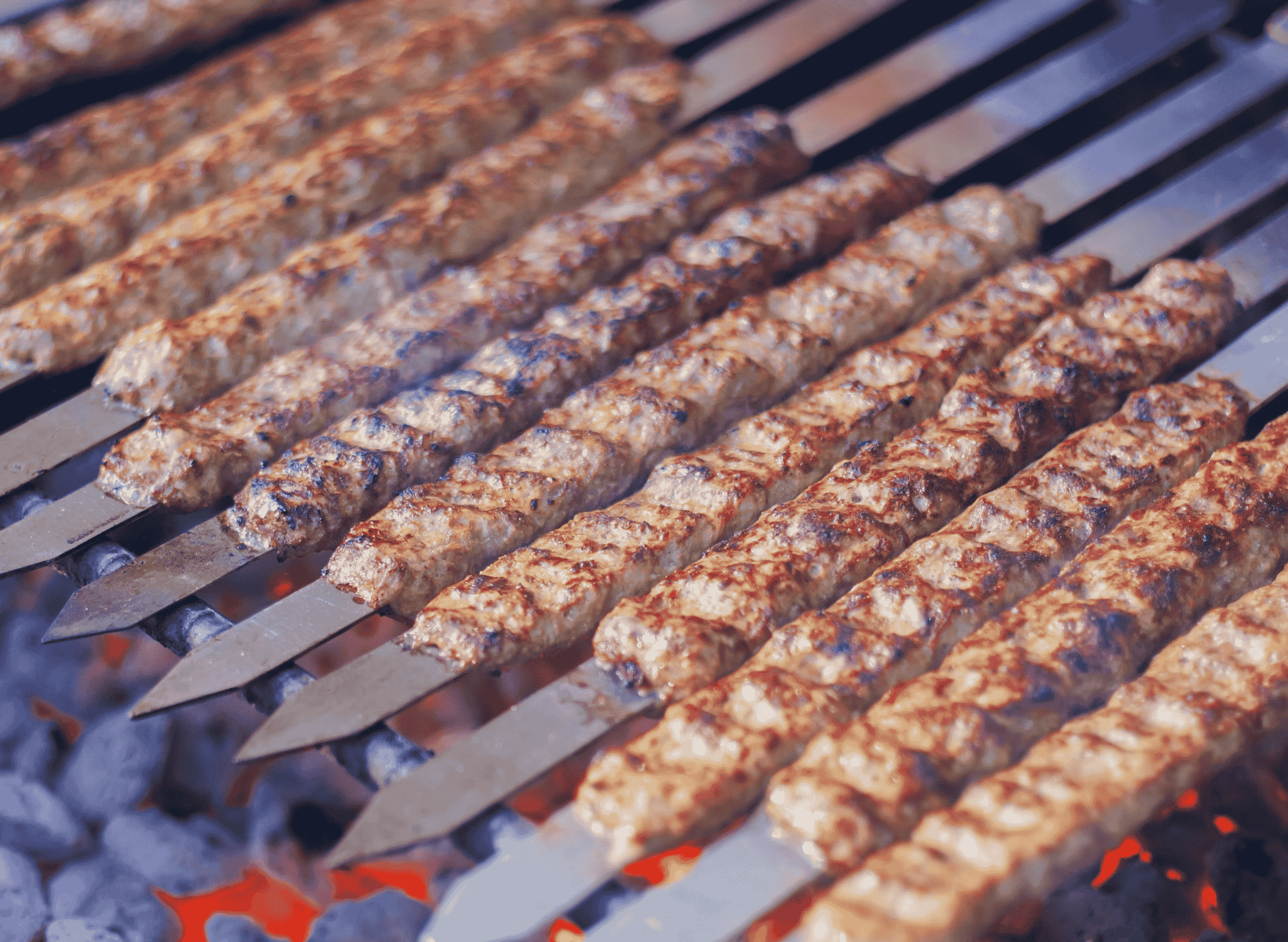
These elongated kebabs typically measure about 30 centimetres long and are shaped directly onto metal skewers. The meat mixture must be worked enough to create a paste-like consistency that won’t fall off during grilling, yet not so much that it becomes tough.
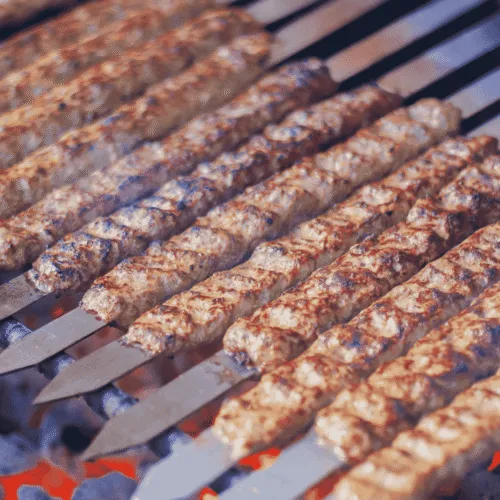
Grilling happens over hot charcoal, which imparts that essential smoky flavour that defines proper Koobideh. The kebabs cook quickly, developing a charred exterior whilst remaining tender and succulent inside. Turning them requires a gentle hand to prevent breakage.
They’re traditionally served atop a bed of buttery saffron rice, accompanied by grilled tomatoes that have been seasoned with sumac. A pat of butter often melts over the rice, whilst fresh herbs and raw onion provide contrasting flavours and textures.
Ingredients and Taste
The ingredient list for Kabab Koobideh is refreshingly short. Quality minced meat forms the foundation, with lamb being the traditional choice, though many cooks use beef or a mixture of both for a balanced flavour and fat content.
Grated onion is essential, adding moisture and a subtle sweetness that permeates the meat. The onion also helps bind the mixture and keeps the kebabs from drying out during grilling. Some recipes call for squeezing out excess liquid first.
Salt and black pepper provide the primary seasoning, though some families add a pinch of turmeric or sumac to their blend. The key is restraint. Unlike heavily spiced kebabs from other cuisines, Koobideh lets the quality of the meat shine through.
A small amount of bicarbonate of soda sometimes appears in modern recipes, helping to tenderise the meat and improve texture. However, purists argue this isn’t necessary if you’ve selected good quality meat with adequate fat content running through it.
The taste experience begins with that irresistible char from the grill. Each bite delivers smoky, savoury notes that come from proper charcoal cooking. The meat itself tastes remarkably clean and beefy, enhanced rather than masked by the simple seasonings.
The texture strikes a perfect balance between firm and tender. When made correctly, Koobideh has a slight spring to it without being dense or rubbery. The grated onion creates pockets of moisture that burst as you chew, keeping everything succulent.
That hint of char on the outside contrasts beautifully with the softer interior. When eaten with buttery rice and the tangy sweetness of grilled tomato, every element works together to create something deeply satisfying and comforting.
A Taste of History
Kebabs have been part of Persian cuisine for thousands of years, with references appearing in ancient texts and poetry. The practice of grilling meat over open flames dates back to nomadic times when cooking methods needed to be portable and efficient.
Kabab Koobideh likely evolved as a way to use less tender cuts of meat or trimmings that benefited from mincing. By grinding the meat and mixing it with onion, cooks could create something delicious from what might otherwise be challenging to prepare.
The dish gained particular prominence during the Qajar dynasty in the 19th century, when kebab houses became popular gathering spots in Iranian cities. These establishments served as social hubs where men would meet to discuss politics and business over grilled meats.
Traditional Persian restaurants, known as “chelo kababi,” built their reputations on the quality of their Koobideh. Master kebab makers guarded their techniques closely, and families would travel across town to visit their favourite spot for this beloved dish.
The cooking method itself reflects ancient Persian culinary wisdom. Grilling over charcoal wasn’t just about flavour but also about creating a communal cooking experience. The sight and smell of kebabs on the grill became synonymous with celebration and togetherness.
After the Iranian diaspora spread across the globe, Kabab Koobideh travelled with them. Persian restaurants from London to Los Angeles now serve this dish, introducing new audiences to its straightforward deliciousness whilst helping expatriate communities maintain connections to home.
How to Make Kabab Koobideh
Kabab Koobideh is a beloved Iranian classic shaped from seasoned minced meat and grilled until beautifully charred. Expect a hands-on process that focuses on texture, balance and skill as you shape each kebab onto flat skewers. With the right mix and gentle handling, you will achieve kebabs that stay firm, juicy and full of aroma. See the recipe card at the bottom for printable directions
Ingredients
- 700 g minced lamb or a mix of lamb and beef with high fat content
- 1 large onion grated and well drained
- 1 tsp fine sea salt
- 1 tsp ground black pepper
- 1 tsp turmeric
- ½ tsp sumac plus extra for serving
- 1 tbsp cold water if needed
- Vegetable oil for brushing
- Flat metal skewers for shaping
Cooking Instructions
Step 1: Prepare the grill and mixing bowl
Heat your grill to a medium high temperature or preheat the oven grill to its highest setting. Place the minced meat in a large bowl and ensure it is cold as firm meat binds better. Begin mixing gently with your hands to loosen the fibres and prepare it for seasoning.
Step 2: Season the meat
Add the grated and well drained onion, salt, pepper, turmeric and sumac. Mix thoroughly using a kneading motion. If the mixture feels too stiff, add a tablespoon of cold water. Aim for a sticky consistency which helps the kebabs grip the skewers.
Step 3: Knead for structure
Continue kneading the mixture for several minutes until it becomes cohesive and slightly firm. This step encourages protein binding which prevents the kebabs from falling apart. Once mixed, cover and chill for 20 minutes before shaping.
Step 4: Prepare the skewers
Lightly oil your hands and the flat metal skewers. Take a handful of the mixture and press it evenly along the skewer, working from the top downward. Create slight ridges by pinching the surface with your fingers to help the meat cook evenly.
Step 5: Shape the remaining kebabs
Repeat the shaping process with the rest of the mixture. Ensure each kebab has equal thickness for even grilling. Lay the skewers on a tray and keep them cool while the grill reaches full heat.
Step 6: Begin grilling
Place the skewers over the heat and allow the meat to set for the first minute without moving. This prevents the kebabs from slipping. Brush lightly with oil and rotate carefully once the underside begins to brown.
Step 7: Continue cooking
Grill for 8 to 10 minutes, turning occasionally until the kebabs are firm, lightly charred and no longer pink in the centre. Adjust the heat if necessary to prevent burning and maintain juiciness.
Step 8: Rest the kebabs
Remove the skewers and let them rest for a few minutes. Resting settles the juices and improves the texture. Keep warm while preparing the accompaniments.
Step 9: Prepare for serving
Warm flatbread, grill tomatoes if desired and scatter extra sumac ready for the table. Set the kebabs on a serving platter with charred tomatoes, fresh herbs and rice or bread.
Step 10: Serve and enjoy
Slide the kebabs off the skewers and serve immediately. A squeeze of fresh lemon, a dusting of sumac and warm lavash elevate the flavours beautifully. Kabab Koobideh shines alongside saffron rice, grilled vegetables and tangy yoghurt.
Variations and Substitutions
- Meat choice: If lamb is unavailable, use fatty minced beef.
- Onion substitute: Shallots can replace onions with a slightly sweeter flavour.
- Spices: Add a touch of smoked paprika for colour if turmeric is hard to find.
- Grill substitute: Use an oven grill if an outdoor charcoal grill is not available.
Cooking Tips for Perfect Kabab Koobideh
- Keep the meat mixture cold to improve binding.
- Drain the onion thoroughly to avoid excess moisture.
- Knead longer than you think as this builds structure.
- Flat skewers are essential to prevent twisting and slipping.
- Allow the kebabs to set on the grill before rotating.
How to Store and Reheat
Storing Raw Kebabs
If you’ve shaped your Kabab Koobideh but aren’t ready to cook them immediately, proper storage maintains their quality. Place the skewered kebabs on a tray lined with baking paper, ensuring they don’t touch each other to prevent sticking.
Cover the entire tray tightly with cling film, pressing it gently against the surface of the meat to prevent air exposure. The kebabs will keep in the refrigerator for up to 24 hours before grilling, allowing you to prepare them ahead for gatherings.
For longer storage, freezing works well. Place the wrapped tray in the freezer until the kebabs are solid, then transfer them to freezer bags, removing as much air as possible. They’ll maintain quality for up to three months when frozen properly.
Storing Cooked Kebabs
Cooked Kabab Koobideh should be stored within two hours of grilling. Allow them to cool to room temperature, then remove the meat from the skewers and place it in an airtight container. The kebabs will keep in the refrigerator for up to three days.
Avoid leaving cooked kebabs at room temperature for extended periods, as the combination of minced meat and moisture from the onions creates an environment where bacteria can develop quickly. Refrigeration slows this process significantly.
Reheating Methods
Reheating Kabab Koobideh requires gentle heat to avoid drying out the meat. Your oven provides reliable results. Preheat it to 160°C and place the kebabs in a baking dish with a tablespoon of water or stock to create steam and maintain moisture.
Cover the dish tightly with foil and warm for about 10 to 12 minutes until heated through. The foil traps steam, preventing the meat from becoming tough or dry. Check the internal temperature reaches at least 75°C for food safety.
A frying pan works for smaller portions. Add a splash of oil or butter to the pan over medium heat, then gently warm the kebabs, turning occasionally. This method takes about five to seven minutes and can restore some of the exterior texture.
Microwaving remains an option for convenience, though it often produces less appealing results. Place kebabs on a microwave safe plate, cover with a damp paper towel, and heat in 30 second intervals. The damp towel helps prevent excessive drying during the quick heating process.
Kabab Koobideh (Minced Meat Kebab)
Ingredients
- 700 g minced lamb or a mix of lamb and beef with high fat content
- 1 large onion grated and well drained
- 1 tsp fine sea salt
- 1 tsp ground black pepper
- 1 tsp turmeric
- ½ tsp sumac plus extra for serving
- 1 tbsp cold water if needed
- Vegetable oil for brushing
- Flat metal skewers for shaping
Instructions
- Heat your grill to a medium high temperature or preheat the oven grill to its highest setting. Place the minced meat in a large bowl and ensure it is cold as firm meat binds better. Begin mixing gently with your hands to loosen the fibres and prepare it for seasoning.
- Add the grated and well drained onion, salt, pepper, turmeric and sumac. Mix thoroughly using a kneading motion. If the mixture feels too stiff, add a tablespoon of cold water. Aim for a sticky consistency which helps the kebabs grip the skewers.
- Continue kneading the mixture for several minutes until it becomes cohesive and slightly firm. This step encourages protein binding which prevents the kebabs from falling apart. Once mixed, cover and chill for 20 minutes before shaping.
- Lightly oil your hands and the flat metal skewers. Take a handful of the mixture and press it evenly along the skewer, working from the top downward. Create slight ridges by pinching the surface with your fingers to help the meat cook evenly.
- Repeat the shaping process with the rest of the mixture. Ensure each kebab has equal thickness for even grilling. Lay the skewers on a tray and keep them cool while the grill reaches full heat.
- Place the skewers over the heat and allow the meat to set for the first minute without moving. This prevents the kebabs from slipping. Brush lightly with oil and rotate carefully once the underside begins to brown.
- Grill for 8 to 10 minutes, turning occasionally until the kebabs are firm, lightly charred and no longer pink in the centre. Adjust the heat if necessary to prevent burning and maintain juiciness.
- Remove the skewers and let them rest for a few minutes. Resting settles the juices and improves the texture. Keep warm while preparing the accompaniments.
- Warm flatbread, grill tomatoes if desired and scatter extra sumac ready for the table. Set the kebabs on a serving platter with charred tomatoes, fresh herbs and rice or bread.
- Slide the kebabs off the skewers and serve immediately. A squeeze of fresh lemon, a dusting of sumac and warm lavash elevate the flavours beautifully. Kabab Koobideh shines alongside saffron rice, grilled vegetables and tangy yoghurt.
Leave a Review