


- View
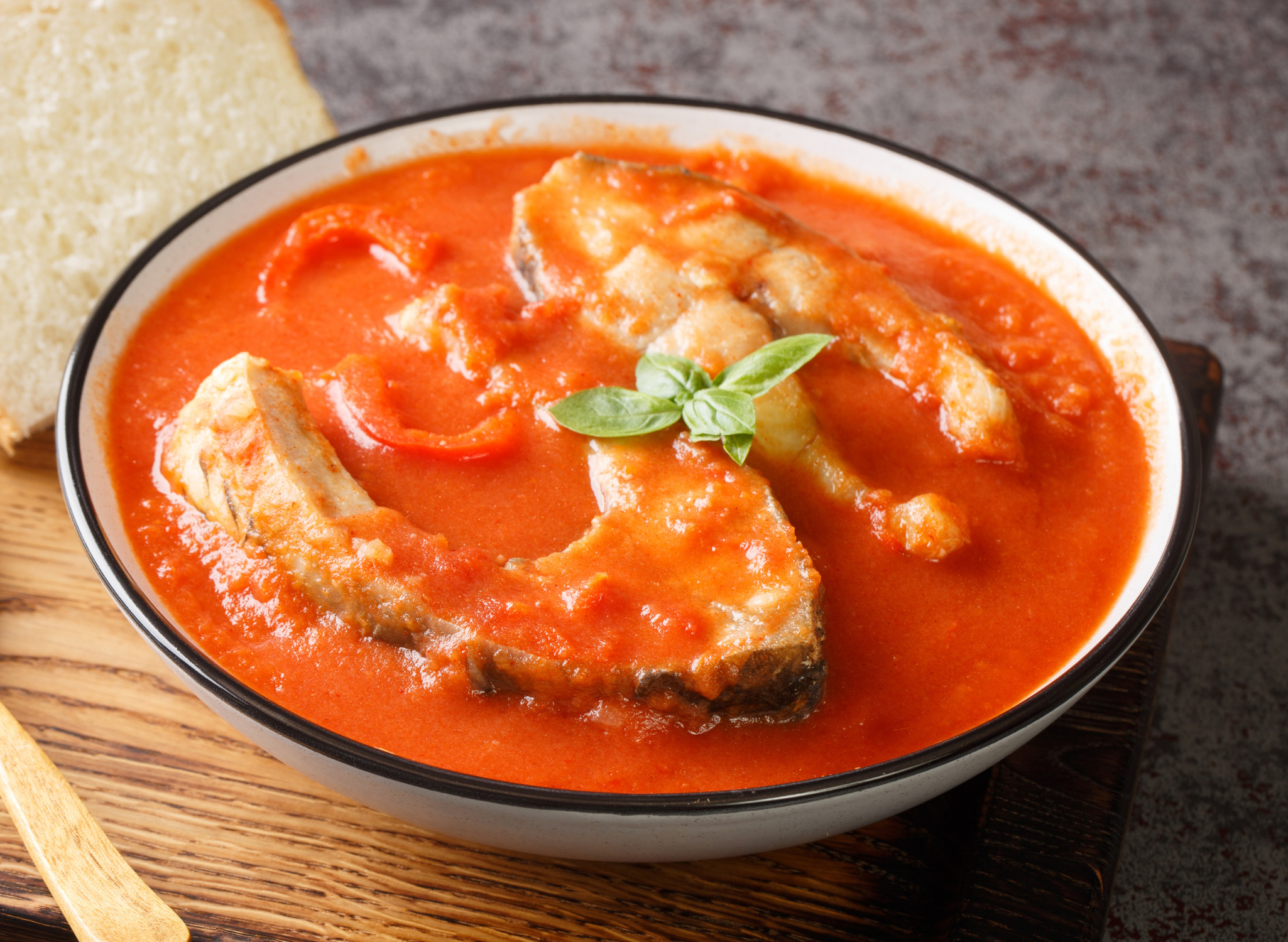
Hungary’s relationship with paprika runs deep, but nowhere does this beloved spice shine quite like in Halászlé. This vibrant red soup has warmed Hungarian souls for generations, bringing together river fish and bold seasonings in a bowl that speaks of tradition and place.
Along the banks of the Danube and Tisza rivers, this dish tells stories of fishermen cooking their catch over open flames, creating something that fed both body and spirit. Today, it remains a cornerstone of Hungarian cuisine, served at celebrations and quiet family meals alike.
The soup’s striking crimson colour comes entirely from paprika, that quintessential Hungarian ingredient that transforms simple river fish into something extraordinary. It’s rustic cooking at its finest, where humble ingredients become sublime through careful preparation and respect for tradition.
Whether you encounter it at a riverside festival or in a Budapest restaurant, Halászlé offers an immediate connection to Hungarian culinary heritage. This is food that doesn’t apologise for its boldness, demanding attention with its vivid appearance and assertive flavours.
What Is Halászlé?
Halászlé is a paprika based fish soup that sits at the very heart of Hungarian cooking. The name translates directly to “fisherman’s soup,” revealing its working class origins and connection to the communities that lived along Hungary’s great rivers.
The soup traditionally features carp as its primary fish, though many versions include a mixture of river fish such as catfish, pike, and perch. These freshwater varieties give the broth a distinctive character that differs markedly from coastal fish soups found elsewhere in Europe.
What makes Halászlé unique is its preparation method and the intensity of its flavour. The soup gets built in layers, starting with a base of fish heads and bones that simmer with onions to create a rich stock. This foundation then receives generous amounts of paprika before chunks of fish get added.
The consistency sits somewhere between a thin soup and a light stew, with the broth remaining liquid enough to sip but substantial enough to satisfy. Unlike many fish soups that aim for delicacy, Halászlé embraces boldness, letting paprika dominate whilst the fish provides sweet, tender contrast.
Regional variations abound across Hungary. Szeged style typically uses four types of fish and creates a milky appearance from the emulsified fat. Baja style often includes pasta and vegetables. Fishermen along different rivers have their own methods, passed down through families and defended with passion.
Ingredients and Taste
The ingredient list for authentic Halászlé remains refreshingly short, though the quality of each component matters enormously. Fresh river fish forms the foundation, with carp being traditional though catfish and other freshwater varieties work beautifully as well.
Onions provide the aromatic base, usually in generous quantities that get sweated down until they surrender their sweetness. Hungarian paprika is absolutely essential, and not just any paprika will do. You need the real Hungarian variety, both sweet and hot, to achieve the proper flavour and colour.
Tomatoes sometimes make an appearance, though purists argue against them. Green peppers add a subtle vegetal note in some versions. Salt and hot peppers like cherry peppers or green chillies bring heat beyond what the paprika provides. Some cooks add a splash of white wine for acidity.
The taste hits you immediately with its assertive paprika character, warm and earthy with a gentle heat that builds gradually. The fish contributes a sweet, delicate flavour that plays beautifully against the spice, whilst remaining tender and flaky in texture.
What surprises many first time tasters is the soup’s richness despite having no cream or thickeners. The fish itself, particularly the collagen from bones and skin, creates body in the broth. Fat from the fish emulsifies with the liquid, giving it a silky quality that coats your mouth pleasantly.
The heat level varies considerably depending on the cook’s preference and regional style. Some versions offer a gentle warmth, whilst others bring serious fire that makes your lips tingle. The paprika provides both colour and a complex, slightly sweet spiciness that differs from straightforward chilli heat.
A Taste of History
Halászlé emerged from the lives of Hungarian fishermen who worked the Danube, Tisza, and other rivers that flow through the country. These men needed sustenance during long days on the water, and cooking their catch in a simple but flavourful soup made perfect sense.
The dish likely dates back centuries, though pinpointing exact origins proves difficult. What we know is that by the time paprika became widespread in Hungarian cooking during the 18th and 19th centuries, Halászlé had already evolved into a recognised preparation method.
Paprika’s arrival from the New World via Turkey transformed Hungarian cuisine fundamentally, and fish soup embraced this ingredient with particular enthusiasm. The spice not only added flavour but also helped preserve the fish slightly and masked any muddy flavours that river fish sometimes carry.
Fishermen’s competitions and festivals grew around Halászlé, with communities gathering to cook enormous batches in kettles hung over open fires. These events turned practical cooking into social occasions, strengthening community bonds whilst celebrating local culinary traditions and regional pride.
Different towns developed fierce loyalties to their particular styles. Szeged and Baja both claim superior versions, with locals ready to defend their methods. These regional variations reflect the diverse fish populations in different rivers and the preferences of communities that developed around them.
During Hungary’s communist era, Halászlé remained one dish that transcended political changes. It appeared at state functions and humble family tables alike, providing continuity with the past when much else was shifting. The soup represented Hungarian identity in a way that felt safe and unifying.
Today, Halászlé enjoys recognition as an important part of Hungarian gastronomic heritage. Quality restaurants serve refined versions, whilst festivals continue the tradition of cooking it outdoors in massive quantities. It remains deeply loved, a taste of home for Hungarians worldwide.
How to Make Halászlé (Fisherman’s Soup)
Halászlé is one of Hungary’s most emblematic soups, born along the banks of the Danube and Tisza rivers. It is fiery, deeply red, and unapologetically fish forward, relying on excellent paprika and fresh river fish rather than complex seasoning. Precision in timing and respect for the ingredients are key to its character. See the recipe card at the bottom for printable directions
Ingredients
- 1.5 kg mixed freshwater fish (traditionally carp, with perch or catfish) cleaned and cut into chunks
- Fish heads, bones and trimmings from the same fish
- 2 large onions, finely chopped
- 3 tbsp Hungarian sweet paprika
- 1 tsp Hungarian hot paprika (adjust to taste)
- 1 green pepper, sliced
- 1 tomato, chopped
- 1 tbsp salt, or to taste
- 1.5 litres cold water
- Fresh bread, for serving
Cooking Instructions
Step 1: Prepare the fish stock base
Place the fish heads, bones and trimmings into a large heavy pot. Add the chopped onions and pour over the cold water. This slow extraction forms the backbone of the soup, so use only cold water and begin gently before moving to the next step.
Step 2: Build the initial broth
Bring the pot to a steady boil over medium heat, then reduce slightly and simmer uncovered for 40 minutes. Stir occasionally, allowing the onions to soften completely and dissolve into the liquid. This creates the naturally thick texture Halászlé is known for.
Step 3: Strain for clarity and depth
Remove the pot from the heat and strain the broth through a fine sieve, pressing firmly on the solids to extract maximum flavour. Discard the solids and return the strained liquid to the pot, ready for seasoning.
Step 4: Add paprika with care
Stir in the sweet paprika and hot paprika while the liquid is warm but not boiling. This protects the paprika from turning bitter and preserves its colour. Mix thoroughly before returning the pot to the heat.
Step 5: Introduce vegetables and seasoning
Add the sliced green pepper, chopped tomato, and salt. Bring the soup back to a gentle boil, allowing the flavours to merge for 10 minutes before adding the fish pieces.
Step 6: Cook the fish
Carefully add the fish chunks to the boiling soup. Do not stir, instead gently shake the pot to prevent breaking the fish. Cook for 10 to 12 minutes until the fish is just tender and fully cooked.
Step 7: Adjust heat and balance
Taste the broth and adjust salt or paprika if needed. The soup should be bold and warming, with a clean fish flavour rather than heaviness. Allow it to simmer for 2 minutes more before serving.
Step 8: For serving
Serve the Halászlé piping hot in deep bowls with thick slices of fresh bread. Traditionally it is enjoyed without garnish, allowing the colour and aroma to speak for themselves. A small extra spoon of hot paprika may be offered at the table for those who prefer more heat.
Variations and Substitutions
- Fish selection: If carp is unavailable, use catfish, pike, or a firm white freshwater fish.
- Paprika: Authentic Hungarian paprika is essential. If unavailable, choose the freshest sweet paprika you can find and avoid smoked varieties.
- Vegetables: Some regional versions omit tomato or pepper entirely for a more austere broth.
Cooking Tips for Perfect Halászlé
- Always add paprika off direct heat to prevent bitterness.
- Use fish with bones to achieve the correct body and flavour.
- Avoid stirring once the fish is added to keep the pieces intact.
- Serve immediately, as the soup loses its intensity if left to stand.
How to Store and Reheat
Storing Your Halászlé
Like many soups, Halászlé improves after sitting for a day, as the flavours meld and deepen overnight. Once your soup has cooled to room temperature, transfer it carefully to airtight containers, ensuring the fish pieces remain intact if possible.
The soup will keep in the refrigerator for up to three days. The paprika oil may separate and rise to the top, which is completely normal. You’ll also notice the soup thickens slightly as it sits, with the starches from the fish creating more body in the broth.
For longer storage, Halászlé freezes reasonably well, though the fish texture suffers somewhat upon thawing. If you plan to freeze it, consider slightly undercooking the fish initially. Pour the cooled soup into freezer safe containers, leaving space at the top for expansion.
Frozen Halászlé maintains quality for up to three months. Label your containers with the date, as the paprika flavour can fade over time. Some cooks prefer freezing just the broth separately, then adding freshly cooked fish when reheating for better texture.
Reheating for Best Results
Reheating Halászlé requires gentle handling to prevent the fish from falling apart completely. Remove your soup from the refrigerator about 30 minutes before reheating, allowing it to come closer to room temperature for more even heating throughout.
Pour the soup into a pot over medium to low heat. Resist the temptation to crank up the temperature, as high heat can make the fish rubbery and break it into unappetising shreds. Stir very gently and infrequently to avoid destroying the fish pieces.
As it warms, you’ll need to thin the soup slightly. The broth thickens during storage, so add small amounts of water or fish stock until you reach the consistency you prefer. Taste and adjust the seasoning, as flavours can dull when chilled.
The soup is ready when it reaches a gentle simmer and steams invitingly. Heat it just until warmed through, about 10 to 15 minutes depending on quantity. Overheating makes the fish dry and tough, ruining the tender texture that makes Halászlé special.
If reheating from frozen, thaw the soup overnight in the refrigerator first for best results. You can reheat from frozen in a pinch, but use very low heat and expect it to take considerably longer. Add extra liquid as needed, since frozen soup often emerges thicker.
Individual portions reheat beautifully in the microwave for quick lunches. Use a microwave safe bowl, cover loosely, and heat in one minute intervals at medium power. Stir gently between intervals to distribute heat evenly without demolishing the fish completely.
Halászlé (Fisherman’s Soup)
Ingredients
- 1.5 kg mixed freshwater fish traditionally carp, with perch or catfish cleaned and cut into chunks
- Fish heads bones and trimmings from the same fish
- 2 large onions finely chopped
- 3 tbsp Hungarian sweet paprika
- 1 tsp Hungarian hot paprika adjust to taste
- 1 green pepper sliced
- 1 tomato chopped
- 1 tbsp salt or to taste
- 1.5 litres cold water
- Fresh bread for serving
Instructions
- Place the fish heads, bones and trimmings into a large heavy pot. Add the chopped onions and pour over the cold water. This slow extraction forms the backbone of the soup, so use only cold water and begin gently before moving to the next step.
- Bring the pot to a steady boil over medium heat, then reduce slightly and simmer uncovered for 40 minutes. Stir occasionally, allowing the onions to soften completely and dissolve into the liquid. This creates the naturally thick texture Halászlé is known for.
- Remove the pot from the heat and strain the broth through a fine sieve, pressing firmly on the solids to extract maximum flavour. Discard the solids and return the strained liquid to the pot, ready for seasoning.
- Stir in the sweet paprika and hot paprika while the liquid is warm but not boiling. This protects the paprika from turning bitter and preserves its colour. Mix thoroughly before returning the pot to the heat.
- Add the sliced green pepper, chopped tomato, and salt. Bring the soup back to a gentle boil, allowing the flavours to merge for 10 minutes before adding the fish pieces.
- Carefully add the fish chunks to the boiling soup. Do not stir, instead gently shake the pot to prevent breaking the fish. Cook for 10 to 12 minutes until the fish is just tender and fully cooked.
- Taste the broth and adjust salt or paprika if needed. The soup should be bold and warming, with a clean fish flavour rather than heaviness. Allow it to simmer for 2 minutes more before serving.
- Serve the Halászlé piping hot in deep bowls with thick slices of fresh bread. Traditionally it is enjoyed without garnish, allowing the colour and aroma to speak for themselves. A small extra spoon of hot paprika may be offered at the table for those who prefer more heat.





Leave a Review