


- View
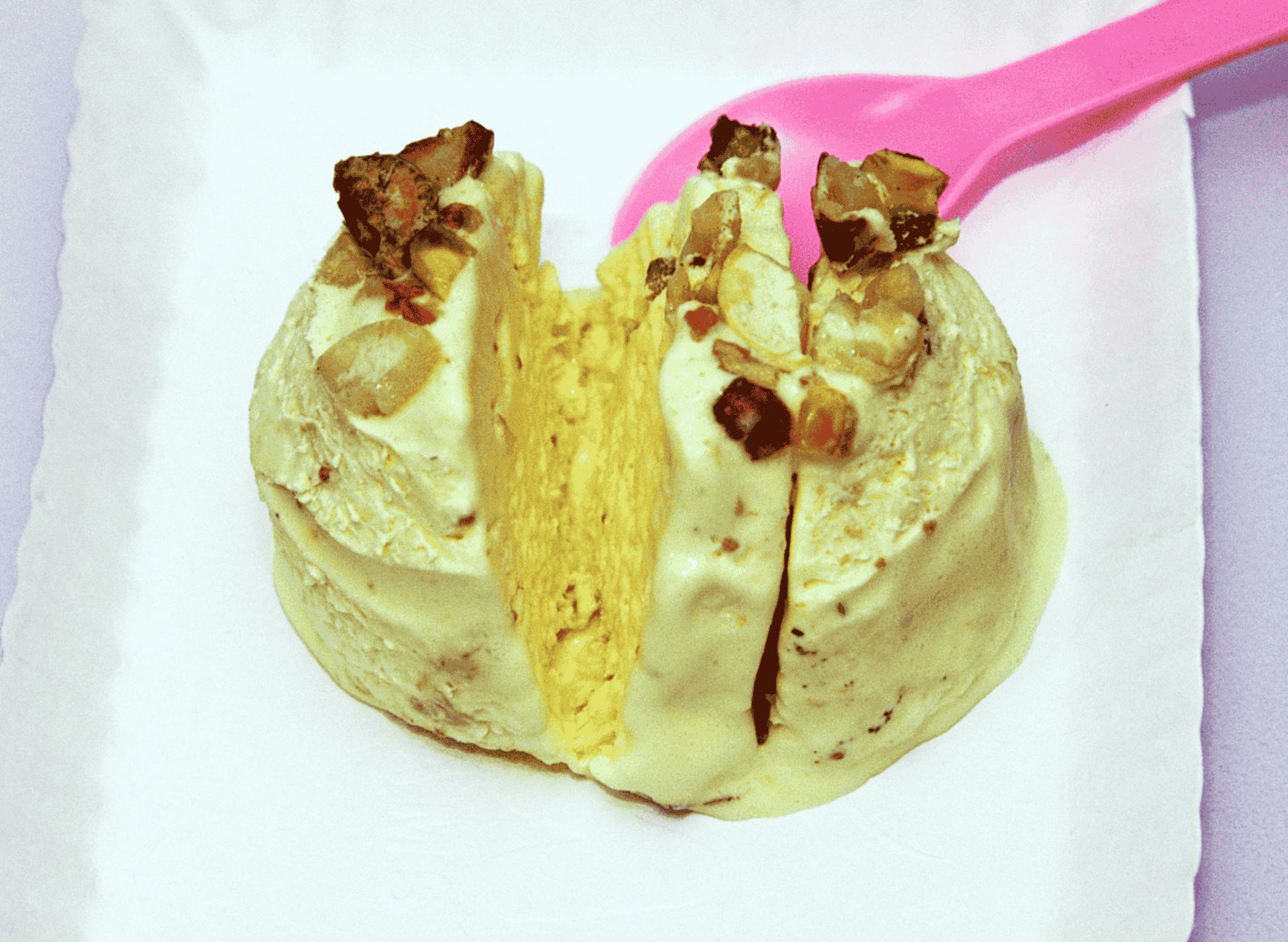
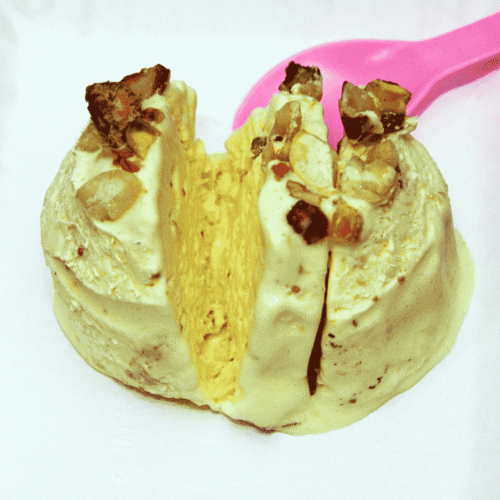
Iranian ice cream shops in Tehran and beyond serve something quite different from what you’ll find in Western parlours. Bastani Sonnati, the traditional Persian ice cream, arrives at your table studded with green pistachios and frozen cream chunks, its pale yellow hue hinting at the precious saffron within.
This isn’t your typical scoop of vanilla or chocolate. Bastani Sonnati carries centuries of Persian culinary wisdom in every spoonful, combining ingredients that have defined luxury in Iranian culture since ancient times. Saffron, rose water, and pistachios unite in a frozen dessert that tastes simultaneously familiar and wonderfully exotic.
You’ll often see it served between two crispy wafers, creating what Iranians call a bastani sandwich. Street vendors and upscale restaurants alike take pride in their versions, each claiming their recipe produces the creamiest, richest result. The dessert holds a special place during hot Persian summers and festive celebrations.
What makes this ice cream genuinely Persian is its texture and flavour complexity. The addition of salep, a flour made from orchid tubers, creates a stretchy, almost chewy quality that Western ice creams simply don’t possess. It’s this unique characteristic that keeps people coming back for more.
Want to dive deeper into Iranian Cuisine? Don’t miss our post on Traditional Iranian Foods to Try
What Is Bastani Sonnati?
Bastani Sonnati translates roughly to “traditional ice cream” in Farsi, though this humble name barely hints at the sophisticated dessert it describes. At its core, this frozen treat combines a rich cream base infused with saffron and rose water, studded generously with chopped pistachios.
The defining ingredient is salep, a powder ground from the dried tubers of certain orchid species. This addition transforms ordinary ice cream into something altogether different, giving it a distinctive elasticity and resistance to melting that surprises first time tasters. The texture sits somewhere between ice cream and Turkish dondurma.
Traditional preparation involves slowly churning the mixture as it freezes, often incorporating chunks of frozen cream called sarshir. These pieces remain suspended throughout, creating pockets of pure, concentrated dairy richness that melt on your tongue. The contrast between smooth ice cream and these cream chunks adds another dimension to each bite.
Many vendors serve Bastani Sonnati pressed between two thin wafers made from egg and sugar. This presentation method isn’t merely decorative; the crispy wafers provide textural contrast whilst making the ice cream portable and easy to eat whilst strolling through bazaars or parks.
The colour ranges from pale cream to soft yellow depending on the saffron quantity used. Quality versions showcase visible saffron threads and generous pistachio pieces rather than relying on artificial colours or flavours. Authenticity matters deeply in Persian food culture, and bastani is no exception.
Ingredients and Taste
Creating authentic Bastani Sonnati requires specific ingredients that give it its characteristic Persian identity. Whole milk and heavy cream form the base, providing the necessary richness and fat content. Saffron threads, steeped in hot water or rose water, infuse the mixture with their distinctive golden colour and subtle flavour.
Rose water adds a delicate floral note that’s quintessentially Persian. Too much and it tastes soapy; just the right amount creates a perfumed elegance that complements rather than overwhelms. Salep powder thickens the mixture and creates that stretchy, chewy texture that makes this ice cream so unique.
Shelled pistachios, preferably from Kerman or Damghan regions of Iran, get roughly chopped and stirred throughout. Sugar sweetens the mixture, whilst frozen cream chunks add bursts of concentrated dairy flavour. Some recipes incorporate a touch of vanilla, though purists argue this isn’t traditional.
The taste experience begins with that first cold bite, where you immediately notice the floral sweetness from the rose water dancing with the earthy, slightly bitter notes of saffron. It’s perfumed without being cloying, sophisticated rather than simply sweet.
The pistachios provide crunch and a buttery, green flavour that grounds the floral elements. Those frozen cream pieces melt differently than the ice cream base, creating a luxurious mouthfeel that feels almost decadent. The salep gives everything a slightly chewy resistance that makes you slow down and savour each spoonful.
What strikes people about Bastani Sonnati is how the flavours balance each other. The richness of the cream needs the brightness of rose water. The sweetness requires the slight bitterness of saffron. The smooth base benefits from the textural interruption of nuts and cream chunks. Nothing feels excessive or out of place.
A Taste of History
Ice and frozen desserts have existed in Persia for millennia, with ancient Persians storing ice in specially designed structures called yakhchals during winter months for summer use. Historical records suggest that as early as 400 BCE, Persian nobles enjoyed frozen treats made from snow brought down from mountain peaks.
The ancestors of modern Bastani Sonnati likely emerged during the Safavid dynasty in the 16th and 17th centuries, when Persian cuisine reached remarkable heights of sophistication. Saffron cultivation flourished, rose water production became refined, and the combination of these luxury ingredients in frozen desserts became popular among the wealthy.
Salep, originally used in hot beverages during Ottoman times, found its way into Persian ice cream relatively recently, probably within the last few centuries. This addition transformed the texture completely, creating something distinct from both European ice creams and other Middle Eastern frozen desserts.
During the Qajar period in the 19th century, ice cream vendors became fixtures in Tehran’s streets and bazaars. The tradition of serving bastani between wafers likely originated during this era, making the dessert accessible to everyday people rather than just the aristocracy. It became a symbol of Persian summers and celebrations.
After the 20th century, as refrigeration technology spread throughout Iran, Bastani Sonnati became widely available beyond just the wealthy classes. Family recipes passed down through generations, with each household claiming their grandmother made the best version. Ice cream shops became gathering places, particularly during hot evenings when families would stroll and enjoy frozen treats together.
Today, Bastani Sonnati remains deeply connected to Iranian identity. Expatriate communities around the world seek it out in Persian restaurants, finding comfort in those familiar flavours of saffron and rose. It represents home, celebration, and the enduring appeal of Persian culinary traditions.
How to Make Bastani Sonnati
Bastani Sonnati is Iran’s most celebrated frozen dessert, known for its golden colour, elastic texture, and perfume of saffron and rosewater. Unlike Western ice cream, it relies on gentle cooking and constant stirring to build body before freezing. Work patiently and keep flavours restrained for authenticity. See the recipe card at the bottom for printable directions
Ingredients
- 500 ml full fat milk
- 150 ml double cream
- 100 g caster sugar
- 2 large egg yolks
- 1 tbsp rosewater
- ¼ tsp saffron threads
- 1½ tbsp salep powder
- 40 g unsalted pistachios, finely chopped
Cooking Instructions
Step 1: Bloom the saffron
Crush the saffron threads using a pestle or spoon, then steep them in 2 tbsp of hot milk. Cover and set aside to release full colour and aroma before continuing.
Step 2: Prepare the custard base
In a saucepan over medium heat, warm the remaining milk and cream until steaming but not boiling. Stir occasionally to prevent scorching, then move to the next step.
Step 3: Whisk yolks and sugar
In a bowl, whisk the egg yolks with caster sugar until pale and slightly thickened. This creates a smooth foundation and prevents graininess later.
Step 4: Temper the eggs
Slowly pour the hot milk mixture into the yolks while whisking continuously. This gentle blending avoids curdling and prepares the custard for cooking.
Step 5: Cook and thicken
Return the mixture to the saucepan and cook over low heat, stirring constantly with a wooden spoon until lightly thickened. The custard should coat the back of the spoon without boiling.
Step 6: Add salep and flavourings
Sprinkle in the salep gradually while stirring to avoid lumps. Add the bloomed saffron and rosewater. Cook for another 2 minutes until the mixture becomes slightly elastic, then remove from heat.
Step 7: Cool the mixture
Pour the custard into a shallow dish. Cover the surface directly with parchment and allow to cool completely at room temperature before chilling for 2 hours.
Step 8: Freeze and churn by hand
Transfer to a freezer safe container. Freeze for 45 minutes, then stir vigorously with a fork. Repeat this process every 30 minutes for 2 to 3 hours to achieve traditional texture.
Step 9: Add pistachios
Fold in the chopped pistachios during the final stir. This ensures even distribution without sinking.
Step 10: Serve and present
Scoop into bowls and garnish with extra pistachios and a light drizzle of rosewater. Serve immediately for a soft texture or freeze longer for firmer scoops.
Variations and Substitutions
- Salep substitute: Use cornflour or arrowroot powder at the same quantity, noting the texture will be less stretchy
- Pistachios: Almond slivers may be used if pistachios are unavailable
- Rosewater: Orange blossom water offers a regional alternative
- Egg free option: Replace yolks with an additional half tablespoon of cornflour for a lighter custard
Cooking Tips for Perfect Bastani Sonnati
- Keep heat low at all times to protect saffron aroma
- Stir constantly once salep is added to prevent clumping
- Freeze in a shallow container for quicker texture control
- Avoid over flavouring as restraint is key to authenticity
How to Store and Reheat
Storage Methods
Bastani Sonnati keeps well in your freezer when stored correctly. Transfer it to an airtight container, pressing plastic wrap directly onto the surface before sealing the lid. This prevents ice crystals from forming and protects the delicate flavours from absorbing other freezer odours.
The ice cream maintains its quality for up to two weeks in a standard home freezer set to around negative 18°C. Beyond this timeframe, the texture may become grainy and the rose water flavour can fade. Unlike commercial ice creams with stabilisers, traditional bastani doesn’t contain preservatives to extend its life indefinitely.
Store it away from foods with strong odours like fish or garlic, as the cream base readily absorbs surrounding smells. Keep the container towards the back of your freezer where temperature remains constant, rather than in the door where repeated opening creates temperature fluctuations.
Serving Temperature Tips
Bastani Sonnati tastes best when slightly softened rather than rock solid. Remove it from the freezer about five to ten minutes before serving, allowing it to warm just enough that your scoop slides through smoothly. The salep content means it won’t melt into a puddle as quickly as regular ice cream.
If it becomes too hard to scoop, resist the urge to microwave it, as this creates an uneven, partially melted mess. Instead, let it sit at room temperature or run your ice cream scoop under hot water between servings. Patience yields better results than rushing the process.
The stretchy, chewy texture that makes Bastani Sonnati special becomes more pronounced at slightly warmer temperatures. Too frozen and you miss out on this characteristic quality. Too soft and it loses its structure. Finding that sweet spot makes all the difference in your enjoyment.
Bastani Sonnati (Saffron Pistachio Ice Cream)
Ingredients
- 500 ml full fat milk
- 150 ml double cream
- 100 g caster sugar
- 2 large egg yolks
- 1 tbsp rosewater
- ¼ tsp saffron threads
- 1½ tbsp salep powder
- 40 g unsalted pistachios finely chopped
Instructions
- Crush the saffron threads using a pestle or spoon, then steep them in 2 tbsp of hot milk. Cover and set aside to release full colour and aroma before continuing.
- In a saucepan over medium heat, warm the remaining milk and cream until steaming but not boiling. Stir occasionally to prevent scorching, then move to the next step.
- In a bowl, whisk the egg yolks with caster sugar until pale and slightly thickened. This creates a smooth foundation and prevents graininess later.
- Slowly pour the hot milk mixture into the yolks while whisking continuously. This gentle blending avoids curdling and prepares the custard for cooking.
- Return the mixture to the saucepan and cook over low heat, stirring constantly with a wooden spoon until lightly thickened. The custard should coat the back of the spoon without boiling.
- Sprinkle in the salep gradually while stirring to avoid lumps. Add the bloomed saffron and rosewater. Cook for another 2 minutes until the mixture becomes slightly elastic, then remove from heat.
- Pour the custard into a shallow dish. Cover the surface directly with parchment and allow to cool completely at room temperature before chilling for 2 hours.
- Transfer to a freezer safe container. Freeze for 45 minutes, then stir vigorously with a fork. Repeat this process every 30 minutes for 2 to 3 hours to achieve traditional texture.
- Fold in the chopped pistachios during the final stir. This ensures even distribution without sinking.
- Scoop into bowls and garnish with extra pistachios and a light drizzle of rosewater. Serve immediately for a soft texture or freeze longer for firmer scoops.


Leave a Review