Iranian cuisine is a rich blend of history, geography and culture brought to life through dishes that are both deeply comforting and quietly complex. Each recipe has its roots in centuries of tradition shaped by regional ingredients family customs and the Persian love for balance in flavour and texture
What makes Iranian food so compelling is its generosity. Meals are made to be shared slowly savoured and always accompanied by conversation. From the bright tartness of barberries in rice to the slow cooked depth of a herb stew every bite tells a story.
This guide walks you through some of the most beloved Iranian dishes each offering a glimpse into the country’s layered culinary identity. Whether you are new to Persian food or looking to reconnect with familiar favourites these dishes are a reminder of how flavour and heritage go hand in hand
Chelo Kabab (Grilled Meat with Rice)
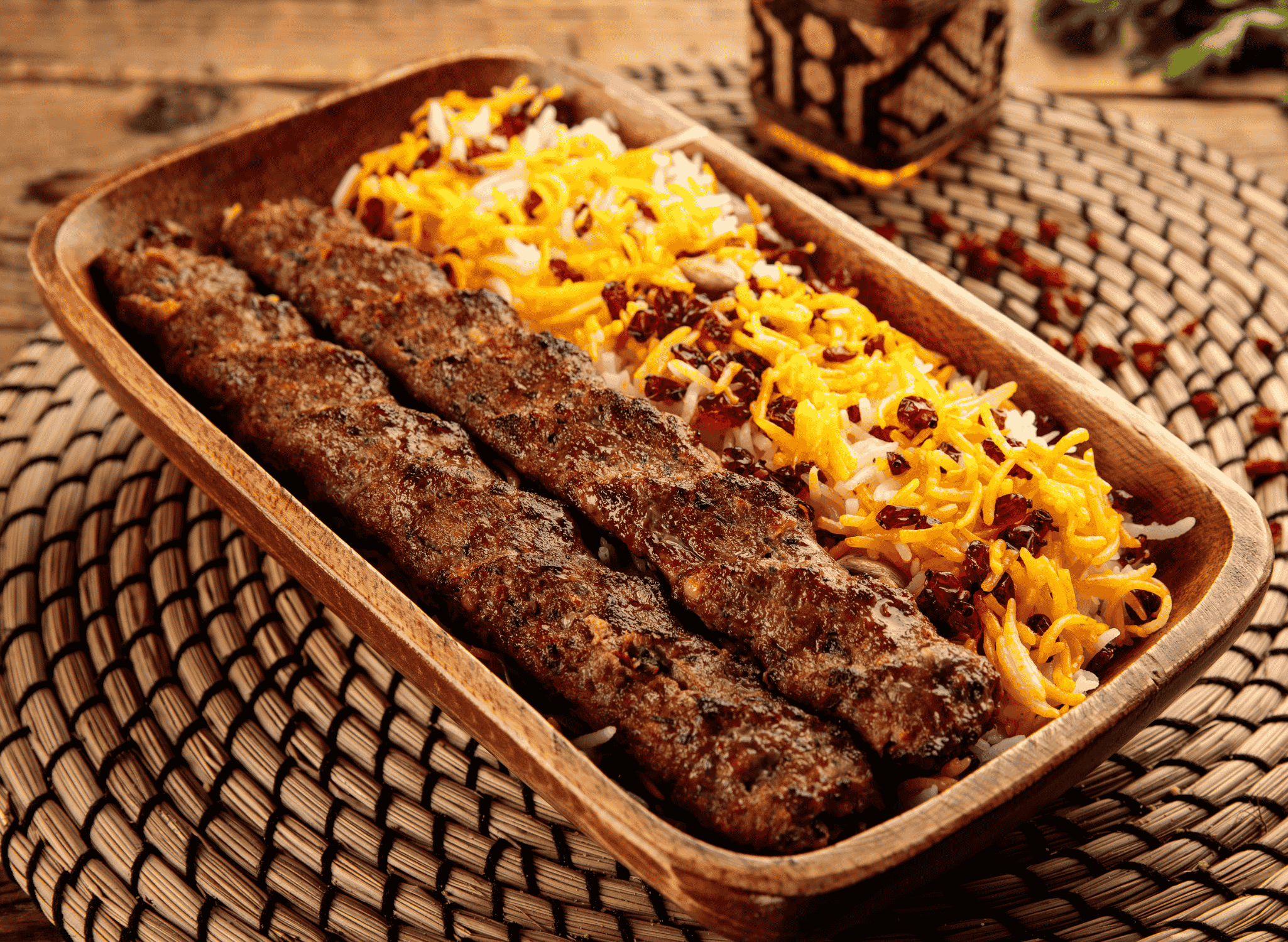
Step into any restaurant across Iran and you’ll find families gathering around plates of Chelo Kabab, a dish so beloved it has become synonymous with Persian dining itself. This isn’t just food on a plate; it’s a ritual that brings people together.The combination of perfectly grilled meat alongside fluffy, buttery rice represents everything Iranians value in their cuisine: quality ingredients, careful preparation, and flavours that speak without shouting. Each component matters equally in creating the whole experience.From Tehran’s bustling bazaars to quiet village gatherings, Chelo Kabab appears at celebrations and everyday meals alike. The aroma of meat sizzling over hot coals draws people in, whilst the sight of golden rice topped with saffron makes mouths water.What makes this dish remarkable is how it manages to be both elegant and accessible. Whether served at a wedding feast or a casual lunch, Chelo Kabab maintains its ability to satisfy and comfort in equal measure, never losing its essential character. Get The Recipe Joojeh Kabab (Grilled Saffron Chicken)
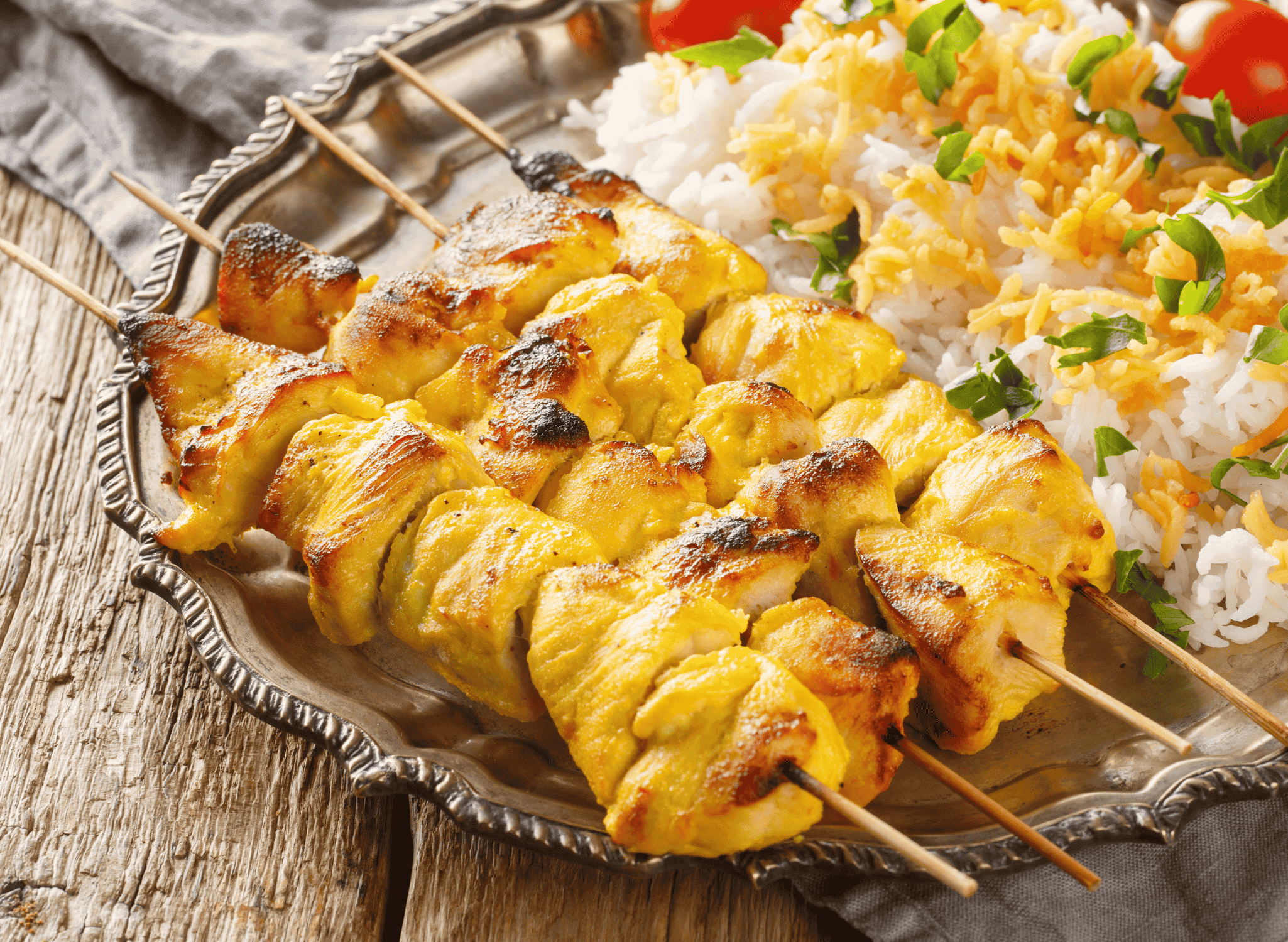
Joojeh Kabab is the kind of dish that tempts you long before it reaches the table. Pieces of chicken, soaked in saffron and citrus, grill over hot coals until golden and fragrant, then settle beside warm rice or soft flatbread. It feels generous and inviting, especially when shared with family or friends.There is a comforting ease to it. Saffron, onion and lemon work quietly in the background, lifting the chicken without overwhelming it. Even those who prefer gentle flavours find themselves enjoying each bite, helped along by a light smokiness from the grill.Part of its charm comes from how effortlessly it suits different moments. You might enjoy it with a simple plate of rice on a quiet evening, or lay it out with grilled tomatoes, herbs and bread during a weekend gathering. It is relaxed food that still feels special. Get The Recipe khoresh gheymeh (Split Pea Meat Stew)
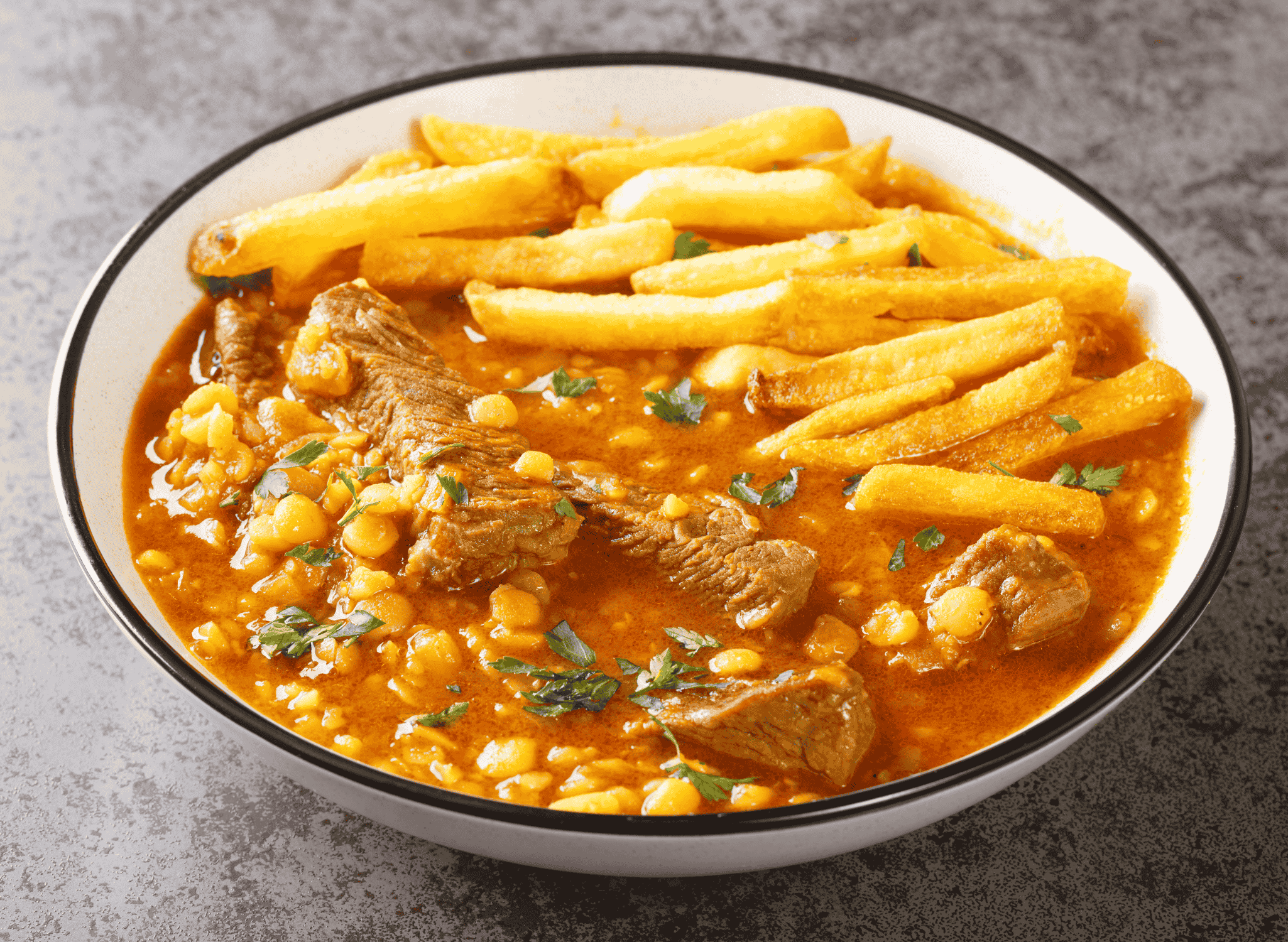
Khoresh gheymeh is a tomato based split pea stew with tender meat, scented with dried limes and crowned with crisp potato chips. Served over fluffy rice, it feels like comfort food yet still tastes bright and awake.You taste richness without heaviness, a gentle tang without sharpness, and spices that warm rather than burn. It is the sort of stew that invites slow eating and second helpings, ideal for family gatherings, religious holidays, or a relaxed weekend meal at home.Part of its appeal lies in contrast. Soft meat and peas sink into a silky sauce while the fried potatoes on top stay golden and crisp. Every spoonful gives you a different mix, so the bowl never feels repetitive or dull. Get The Recipe Adasi (Lentil Stew)
Adasi is the kind of Iranian comfort food that makes a kitchen feel lived in. It is a lentil stew, gently spiced, often finished with a gloss of fried onions. You will find it at breakfast tables, for simple lunches, and on evenings when you want something warm without fuss.It is also a dish that welcomes you in, even if you have never cooked Iranian food before. The ingredients are familiar and forgiving, the method is straightforward, and the flavour builds in a calm, steady way. One pot, a good stir now and then, and a bowl that tastes like care.People love Adasi because it is practical and deeply satisfying without feeling heavy. It can be loose like a soup or thicker like a stew, depending on how long you simmer it. Add bread, a squeeze of lemon, and you have a meal that feels complete. Get The Recipe Bastani Sonnati (Saffron Pistachio Ice Cream)
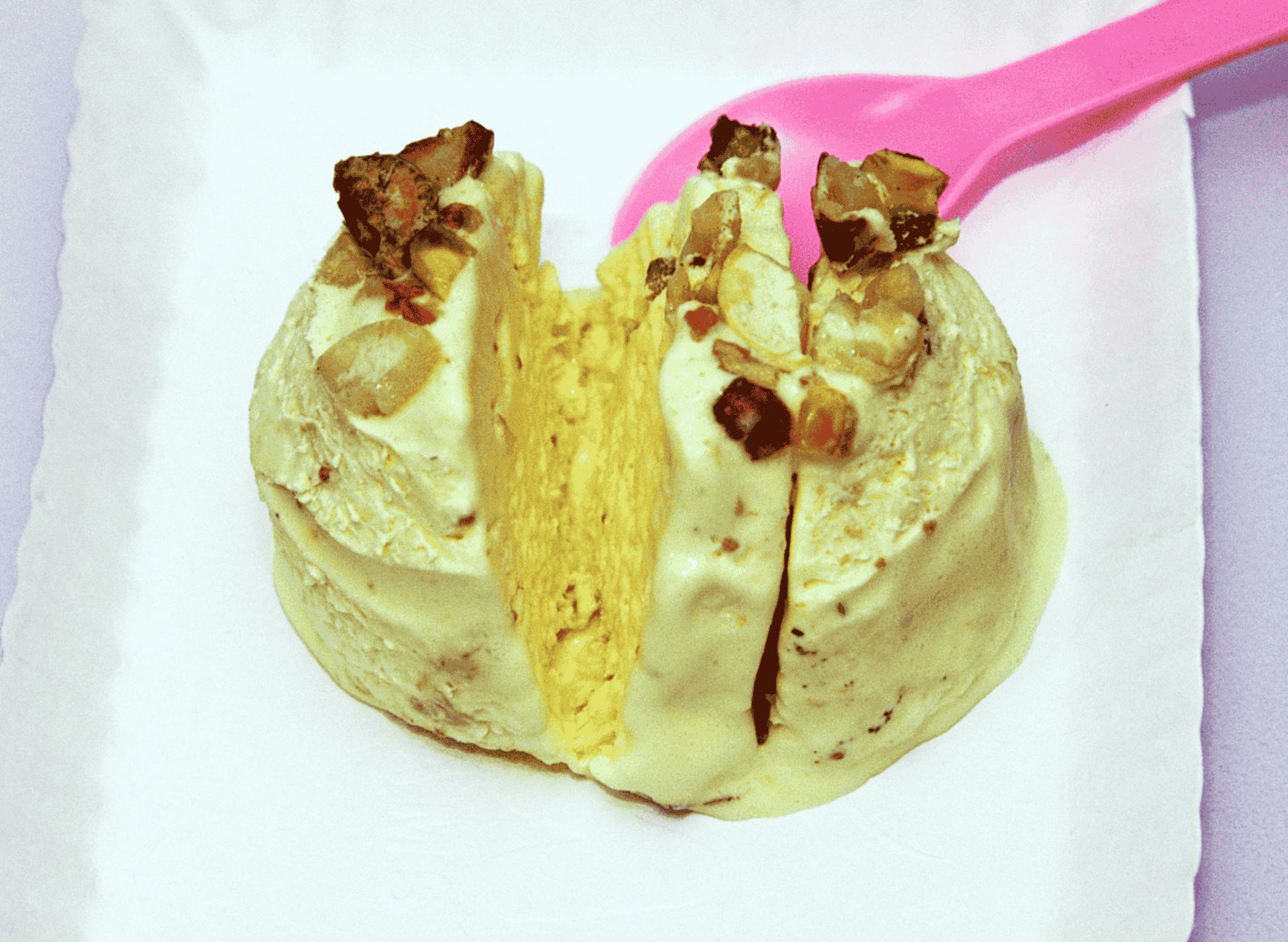
Iranian ice cream shops in Tehran and beyond serve something quite different from what you’ll find in Western parlours. Bastani Sonnati, the traditional Persian ice cream, arrives at your table studded with green pistachios and frozen cream chunks, its pale yellow hue hinting at the precious saffron within.This isn’t your typical scoop of vanilla or chocolate. Bastani Sonnati carries centuries of Persian culinary wisdom in every spoonful, combining ingredients that have defined luxury in Iranian culture since ancient times. Saffron, rose water, and pistachios unite in a frozen dessert that tastes simultaneously familiar and wonderfully exotic.You’ll often see it served between two crispy wafers, creating what Iranians call a bastani sandwich. Street vendors and upscale restaurants alike take pride in their versions, each claiming their recipe produces the creamiest, richest result. The dessert holds a special place during hot Persian summers and festive celebrations.What makes this ice cream genuinely Persian is its texture and flavour complexity. The addition of salep, a flour made from orchid tubers, creates a stretchy, almost chewy quality that Western ice creams simply don’t possess. It’s this unique characteristic that keeps people coming back for more. Get The Recipe Gaz (Persian Nougat)
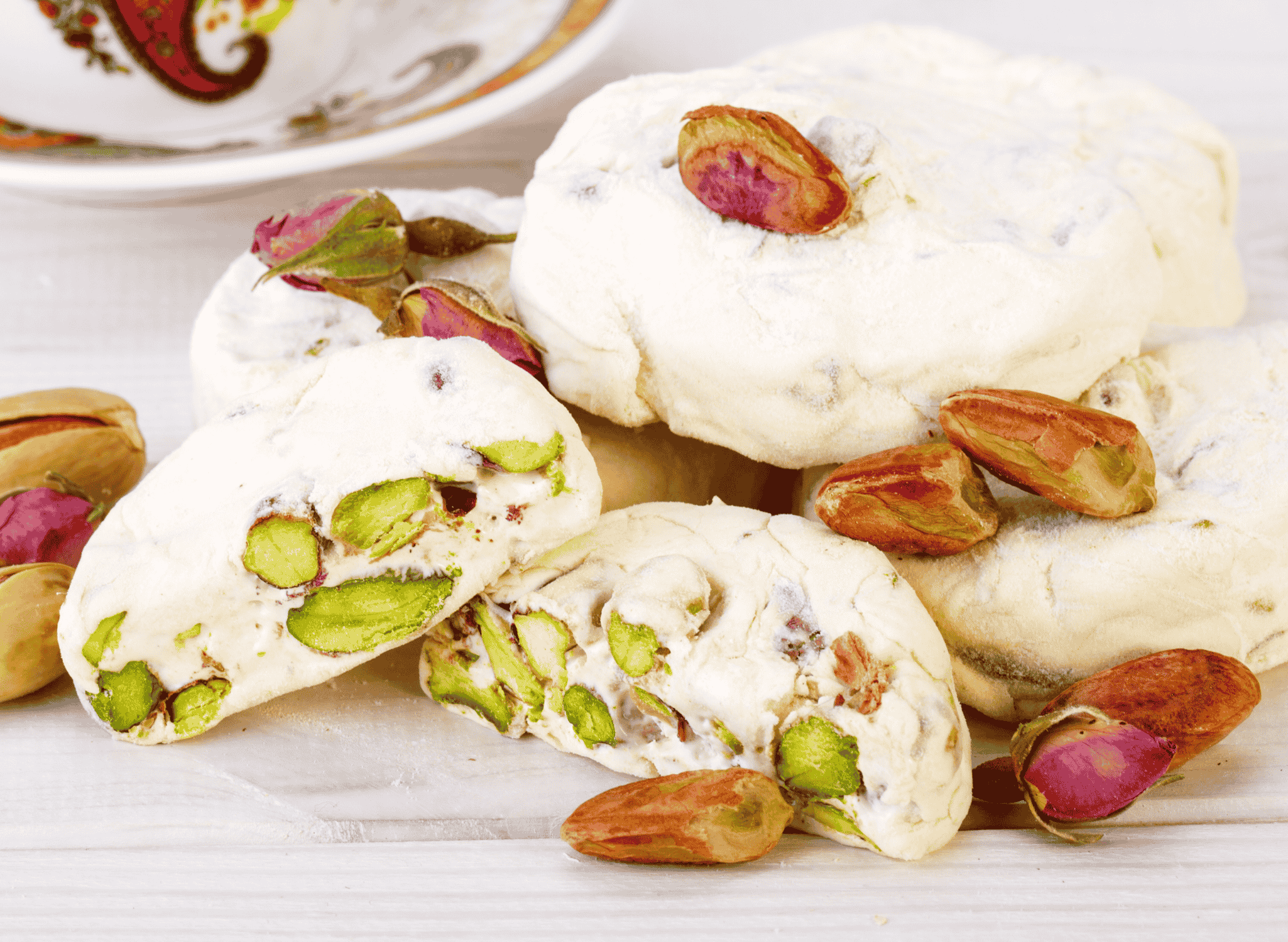
Gaz is one of Iran’s signature sweets, a soft chewy nougat that feels both festive and everyday at once. It is often linked with Isfahan, where boxes of Gaz are bought as gifts, shared with guests, and served alongside tea when you want the table to look generous without fuss.What makes Gaz so appealing is how it changes as you eat it. It starts with a gentle resistance, then melts into a honeyed, floral sweetness with nuts tucked through the bite. It is not a sticky jawbreaker, and it is not a brittle snap either, it sits right in the middle.If you enjoy sweets that balance perfume with richness, Gaz is worth your attention. One piece can feel satisfying, yet it rarely feels heavy. You can nibble it slowly with hot tea, or serve it after a meal when everyone wants something small but memorable. Get The Recipe Borani Bademjan (Yogurt Eggplant Dip)
Borani Bademjan is one of those dishes that makes you pause after the first bite, because it tastes both comforting and carefully put together. Silky aubergine meets cool yoghurt, with garlic and herbs keeping everything lively. It is often served as a starter, a side, or part of a spread.In many Iranian homes it turns up when guests are expected, since it is easy to share and even better when it has had time to sit. You scoop it with bread, you spoon it next to rice, you add it to grilled meats, and suddenly the table feels fuller without any fuss.If you are new to Iranian cooking, this is a friendly place to begin. The ingredients are familiar, yet the end result feels distinctive. It is creamy without being heavy, and the aubergine brings a gentle sweetness that plays well with tangy yoghurt. Get The Recipe Kuku Sabzi (Herb Frittata)
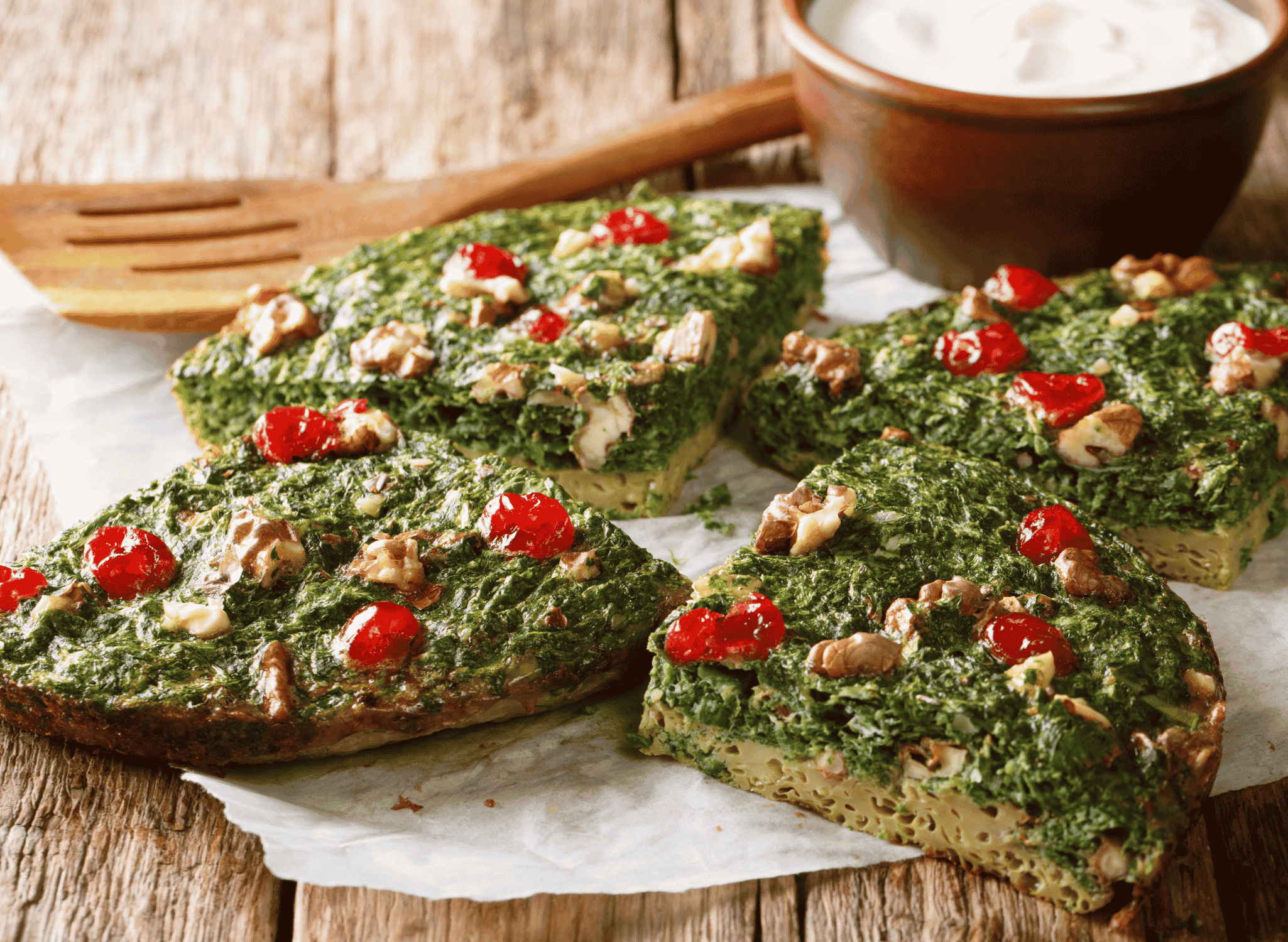
Kuku Sabzi is the kind of dish that makes you rethink what an omelette can be. It is packed with herbs until the eggs feel like the supporting cast, and it comes out green, fragrant, and deeply savoury. If you enjoy food that tastes fresh yet feels comforting, this is a brilliant place to start.In Iranian homes it often appears when people want something that looks special without being fussy. It suits a quiet supper with yoghurt and salad, and it also holds its own on a spread for guests. You can eat it warm, at room temperature, or cold from the fridge, and it still tastes like it means business.There is also something very welcoming about the way it fits into a meal. Put it next to flatbread, pickles, a bowl of mast o khiar, or a squeeze of citrus, and suddenly dinner feels generous. It is simple, but it never feels plain, because the herbs do the heavy lifting. Get The Recipe Sholeh Zard (Saffron Rice Pudding)
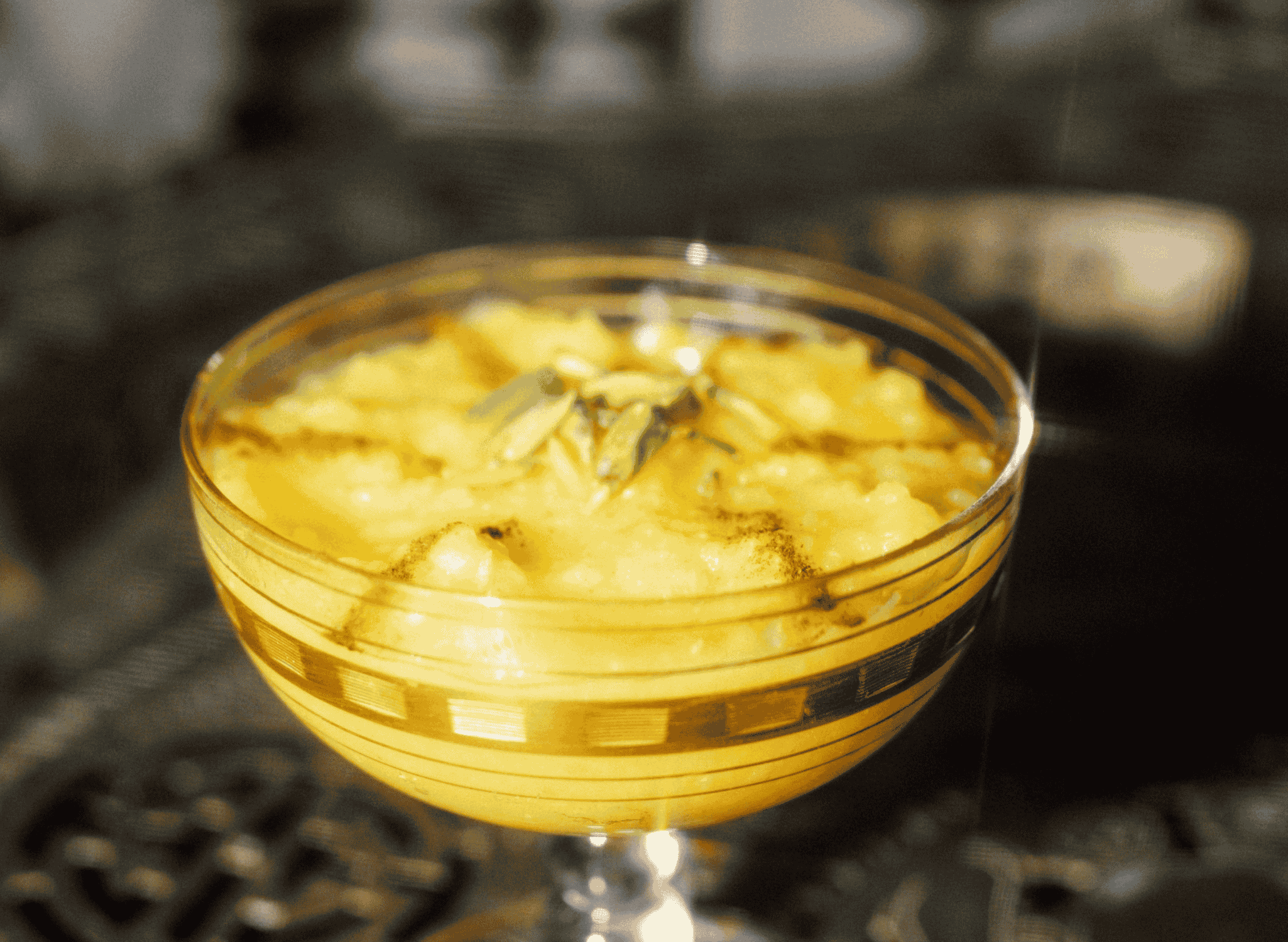
Sholeh Zard is a saffron scented rice pudding from Iran that feels both comforting and ceremonial. It is the kind of sweet you meet at family gatherings, mosque kitchens, and neighbourly visits, often served chilled with a flourish of cinnamon and nuts.If you enjoy desserts that lean into fragrance rather than heavy richness, this one will make sense quickly. The flavour sits on gentle sweetness, warm spice, and floral notes, with saffron and rosewater doing the storytelling in every spoonful.It is also a dessert with presence. The colour glows golden, the surface is usually decorated with care, and the texture lands somewhere between creamy and softly set. You do not rush it, you let it linger, especially with tea. Get The Recipe Khoresh Karafs (Celery Stew)
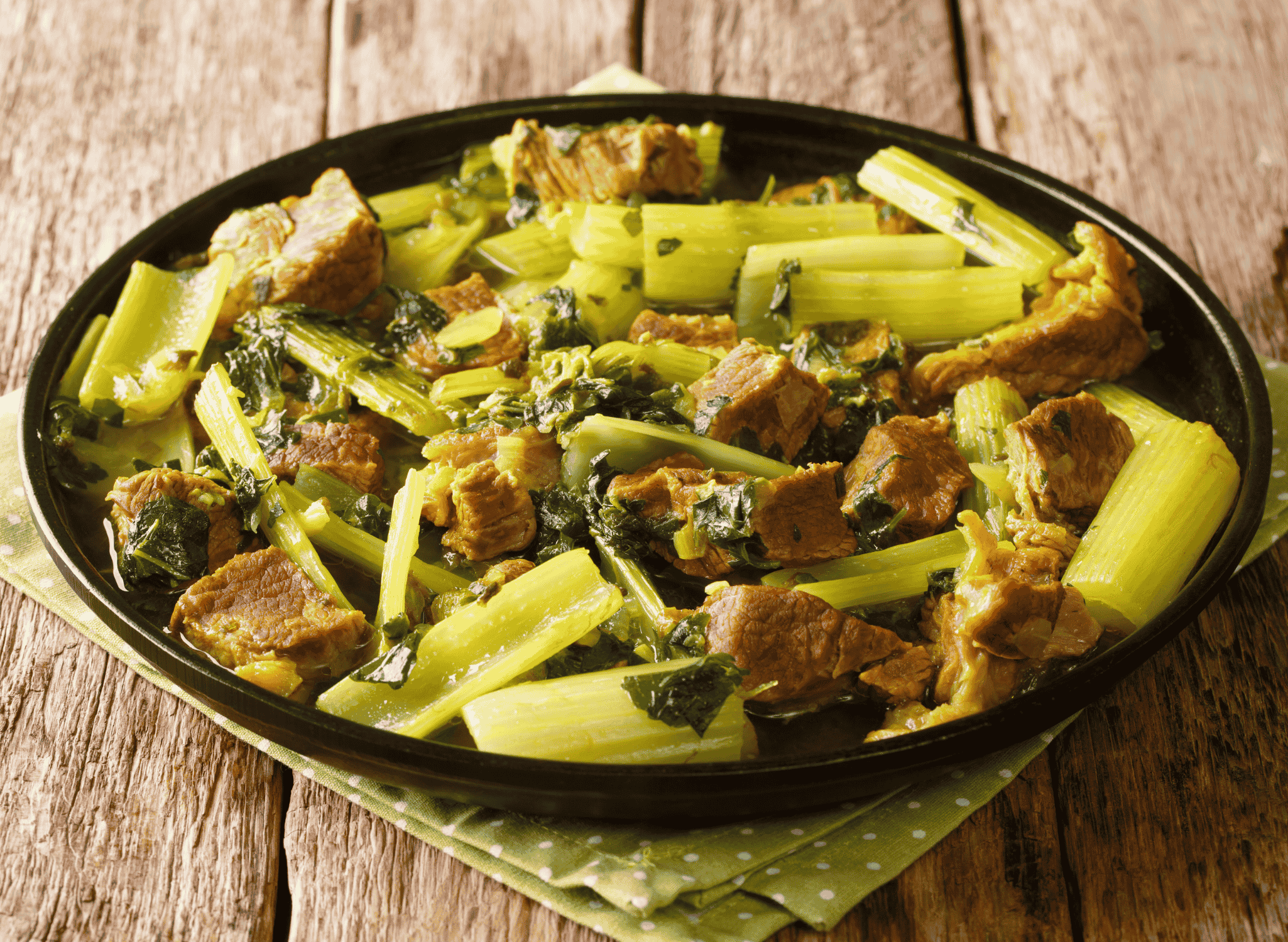
Khoresh Karafs is one of those Iranian stews that surprises people who think celery only belongs in soup or a salad. Here it becomes silky and savoury, scented with herbs and brightened with citrus. Served with steamed rice, it feels both comforting and clean on the palate.If you enjoy dishes where sourness keeps rich flavours in check, you will get on well with this stew. It is not heavy, yet it has depth, especially when the celery is sautéed until sweet and the herbs are cooked down until they smell almost toasted.In many Iranian homes, khoresh is not a single recipe but a family language. The same dish can taste slightly different from one kitchen to the next, depending on the herb balance, how tangy the stew is, and whether it is made with lamb, beef, or sometimes chicken. Get The Recipe Adas Polo (Lentil Rice with Raisins)
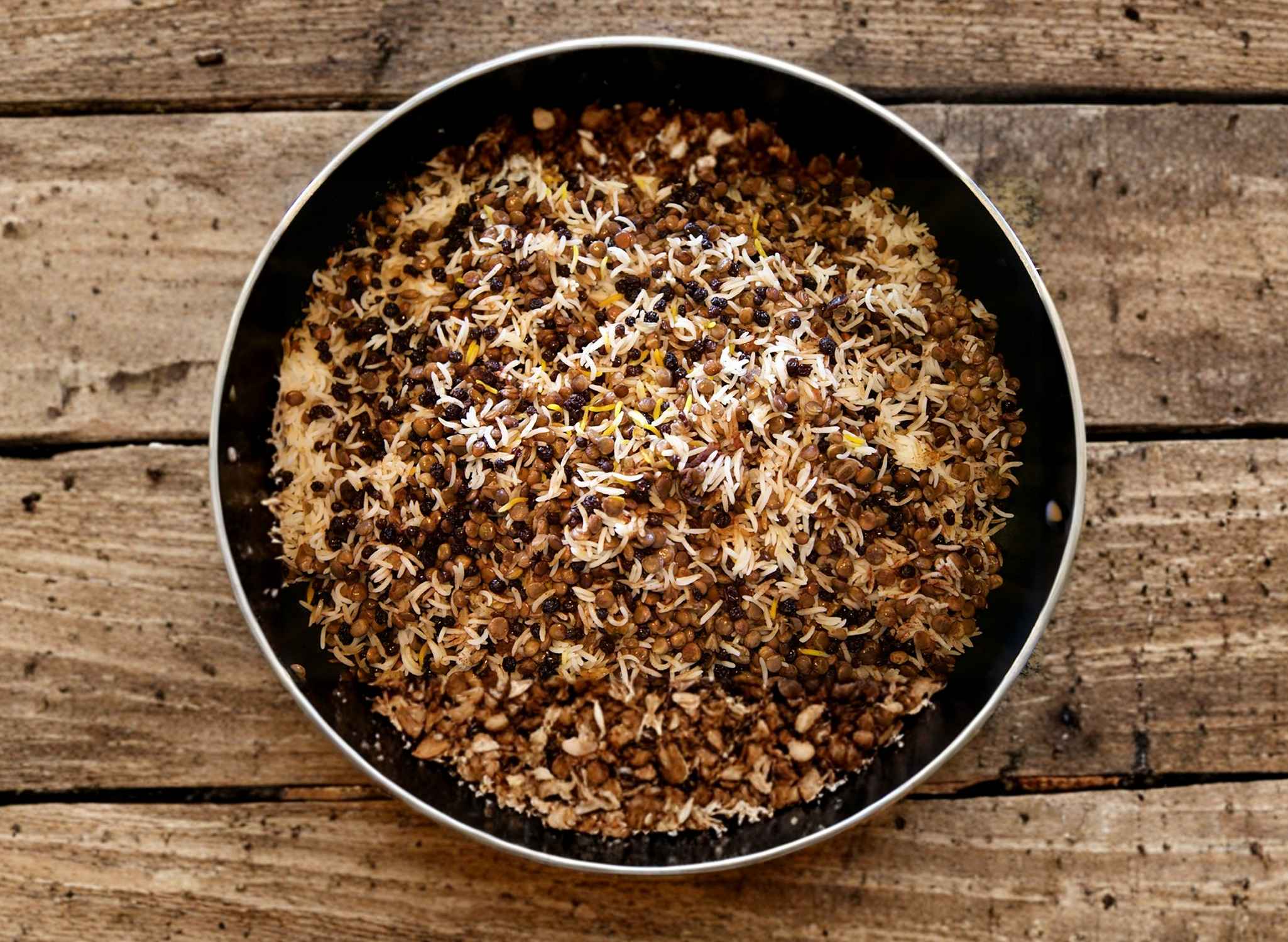
There is something wonderfully comforting about a dish that brings together humble ingredients and transforms them into something extraordinary. Adas Polo does exactly that, layering fluffy basmati with tender lentils, sweet raisins, and aromatic spices.This beloved Iranian rice dish holds a cherished place in Persian households across Iran and beyond. Whether served at a family gathering during Ramadan or prepared on a busy weeknight, it delivers both nourishment and celebration in every bite.The beauty of this dish lies in its simplicity. You do not need expensive cuts of meat or hard to find ingredients. Instead, you rely on pantry staples that come together in a way that surprises first time tasters with their harmony. Get The Recipe Tahchin (Saffron Rice Cake)
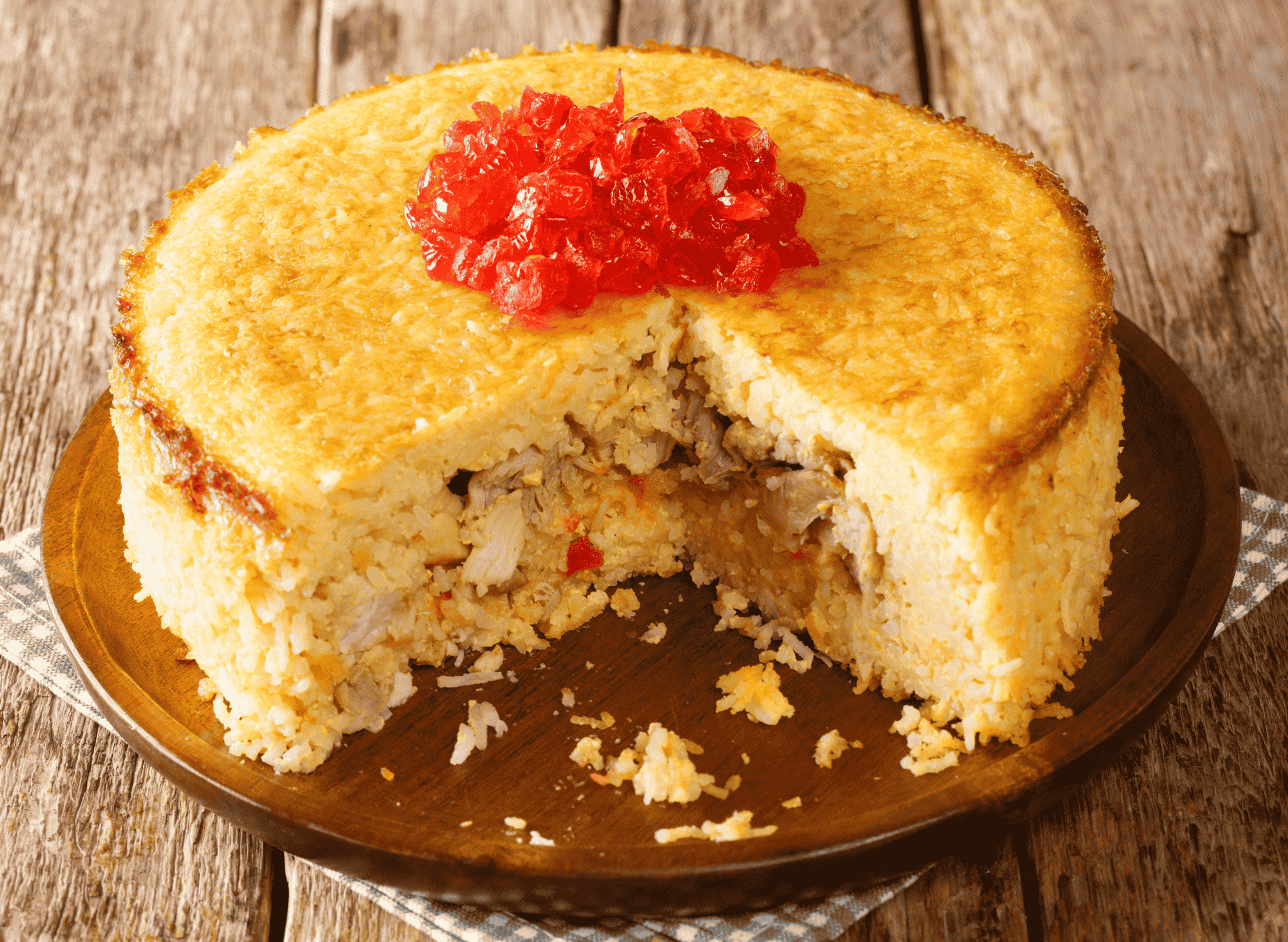
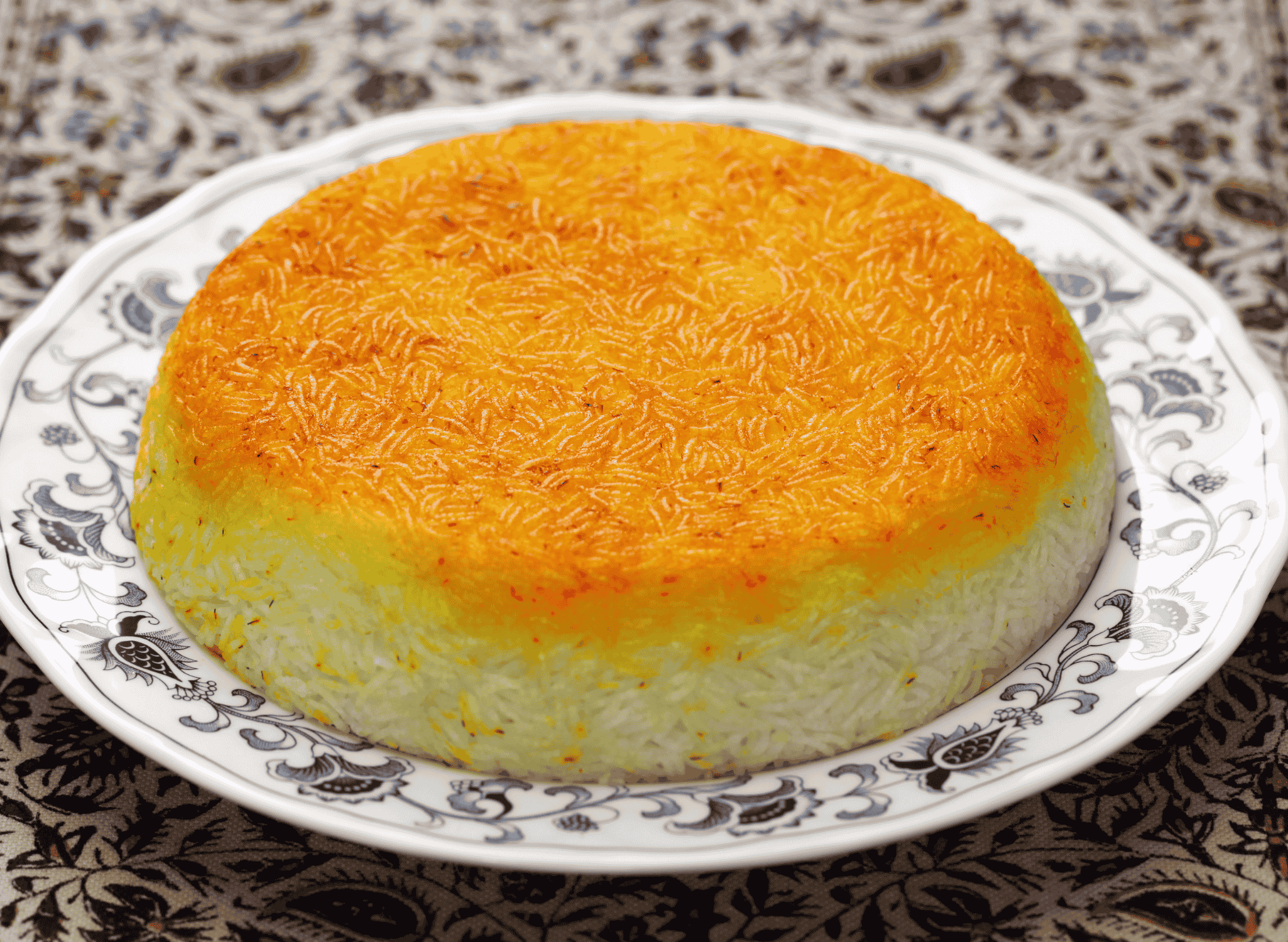
Persian cuisine has gifted the world countless dishes that blend simplicity with sophistication, and Tahchin stands as a shining example of this culinary philosophy. This elegant saffron rice cake has graced Iranian tables for generations, turning humble ingredients into something truly spectacular.What makes Tahchin so captivating is its contrast: a golden, crispy crust gives way to tender, aromatic rice layered with succulent chicken or lamb. The dish arrives at the table like a present waiting to be unwrapped, its amber exterior hinting at the treasures within.For those unfamiliar with Persian cooking, Tahchin offers an ideal introduction. It showcases the Iranian love affair with saffron, rice, and the art of creating tahdig, that coveted crispy bottom layer that Persians consider the best part of any rice dish. Get The Recipe Kashk-e Bademjan (Eggplant with Whey Sauce)
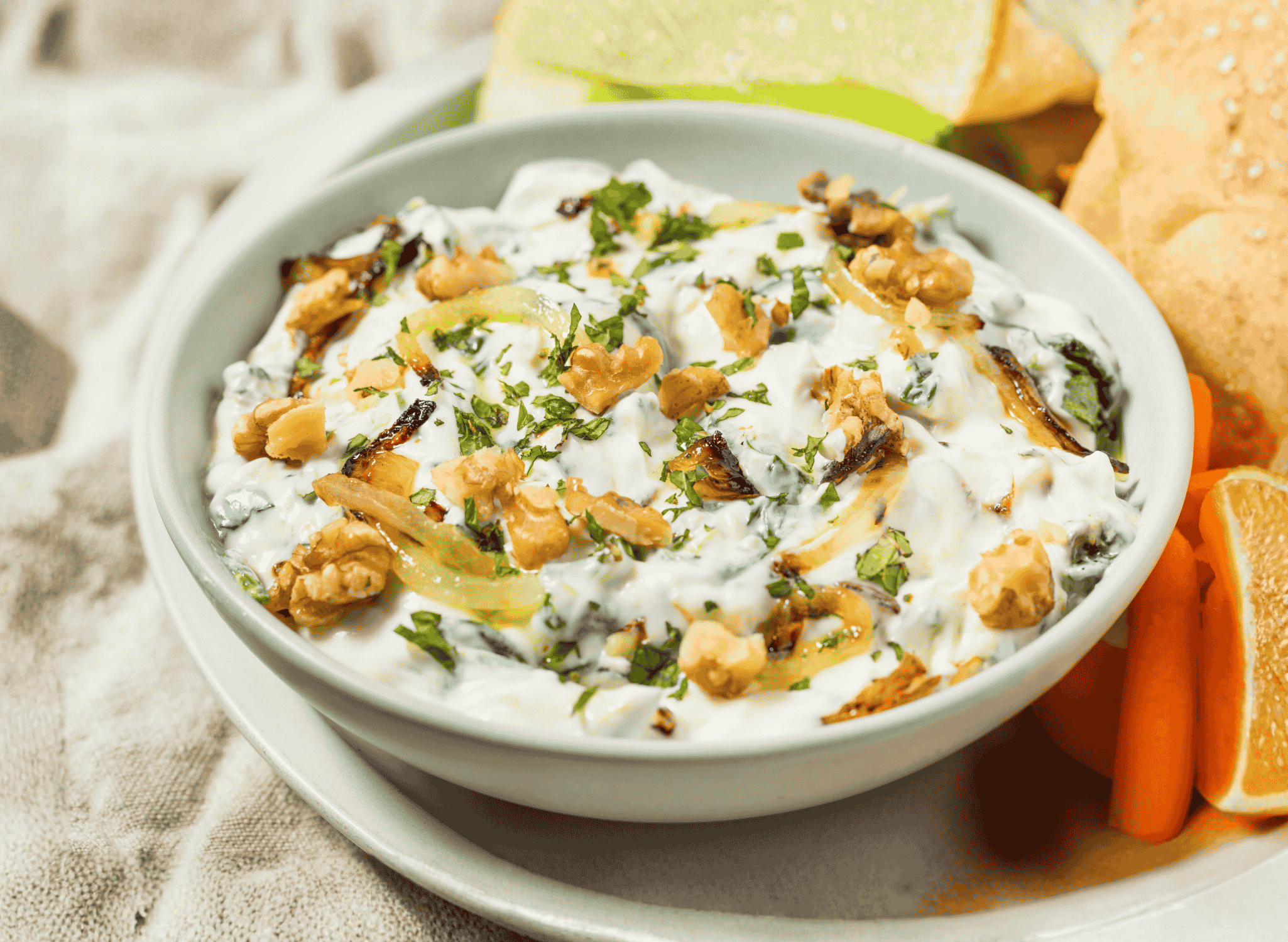
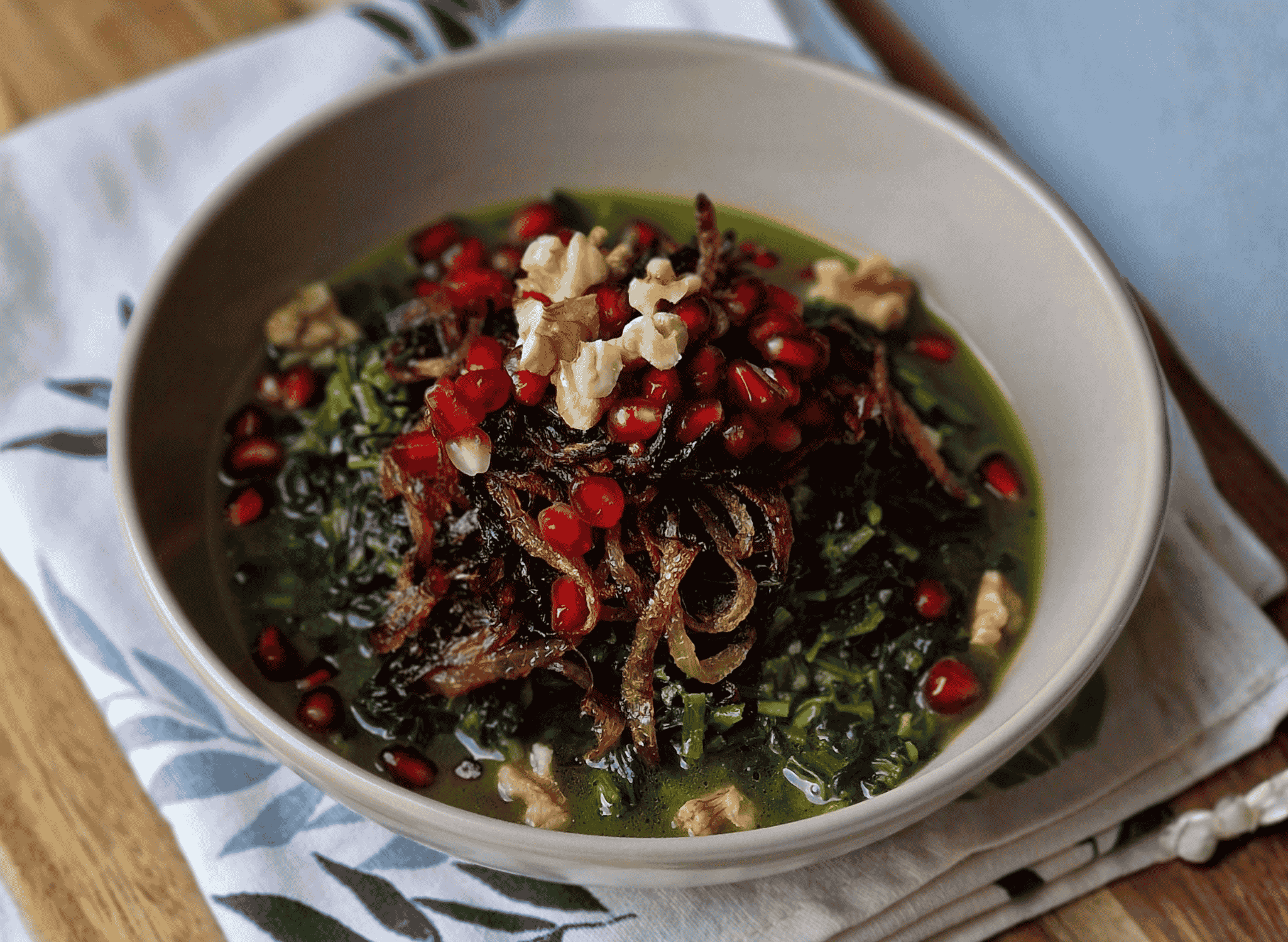
Kashk e Bademjan is one of those dishes that makes you slow down and pay attention. At first glance it looks like a humble aubergine dip, yet every spoonful is layered with flavour. Smoky vegetables, tangy fermented whey and gentle spices come together in a way that feels generous and deeply comforting.It is usually served warm or at room temperature as a shared starter, although many people happily treat it as a light meal with bread and herbs. You scoop it up with pieces of flatbread, often lavash or sangak, and build little bites with fresh mint, walnuts or crisp onions. It is simple food yet treated with great care.Part of the joy lies in the contrast of textures. Soft aubergine forms the base, while fried onions bring sweetness and a slight chew. Fragrant dried mint, crushed garlic and sometimes chopped walnuts add brightness and crunch. A swirl of kashk on top gives a creamy finish that ties everything together on the spoon. Get The Recipe Kabab Koobideh (Minced Meat Kebab)
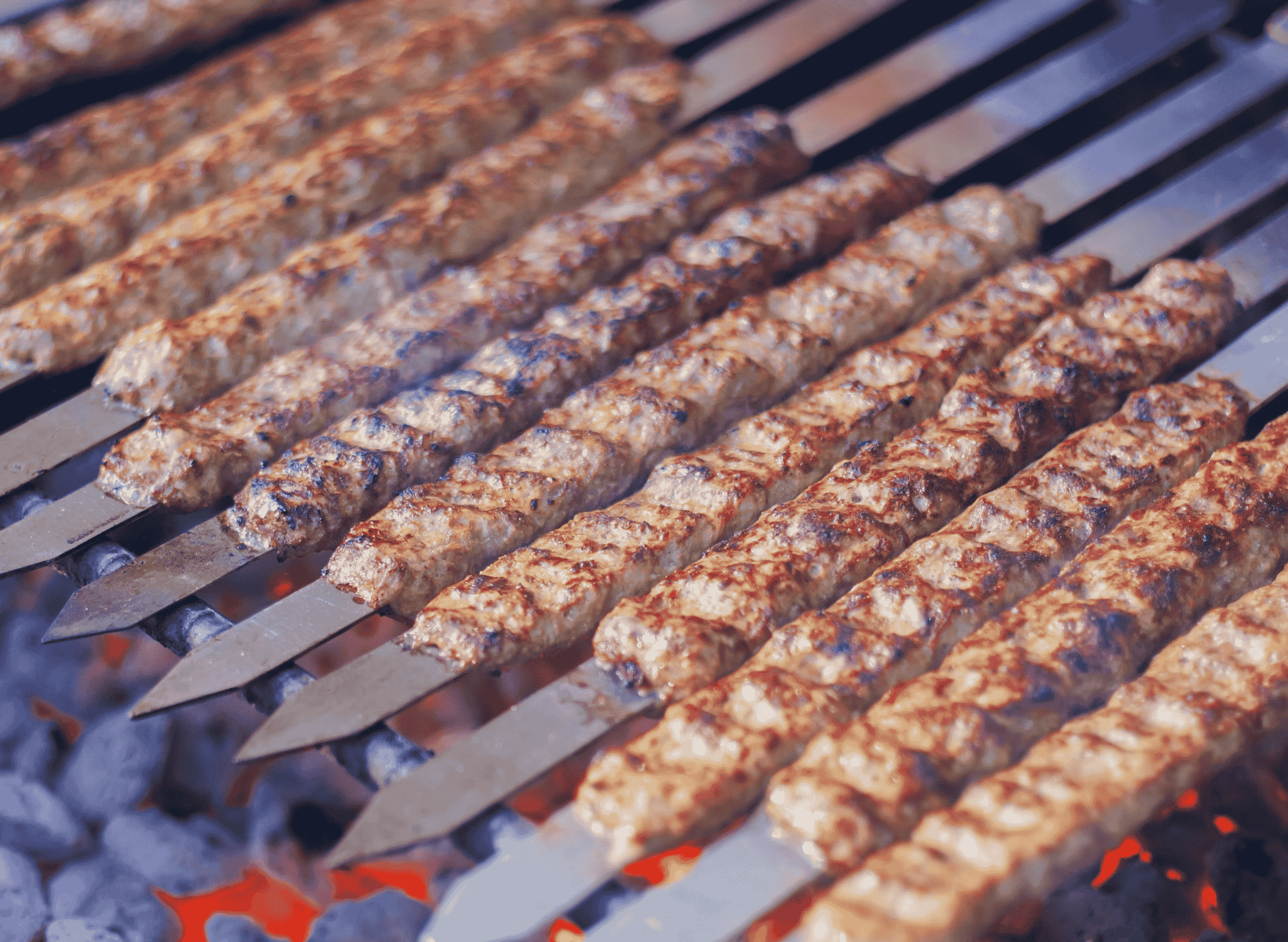
Kabab Koobideh is one of those dishes that feels instantly welcoming, even if you have never travelled to Iran. Skewers of minced meat, scented with onion and saffron, arrive beside rice, grilled tomatoes and bright herbs. It is generous food that invites sharing.This isn’t just minced meat on a skewer. It’s a carefully crafted kebab that requires skill, patience, and an understanding of how to coax maximum flavour from humble ingredients. The result is a juicy, smoky creation that has fed families for generations.Visit any kebab house in Tehran, Isfahan, or Shiraz and you’ll find Kabab Koobideh anchoring the menu. It’s the dish that brings people together, whether at bustling street vendors or elegant restaurants, served simply with rice and grilled tomatoes.What makes this kebab so beloved is its accessibility. Unlike some elaborate Persian dishes that require hours of preparation, Koobideh focuses on technique rather than complexity, proving that exceptional food doesn’t need to be complicated. Get The Recipe Shirin Polo (Sweet Rice with Nuts)
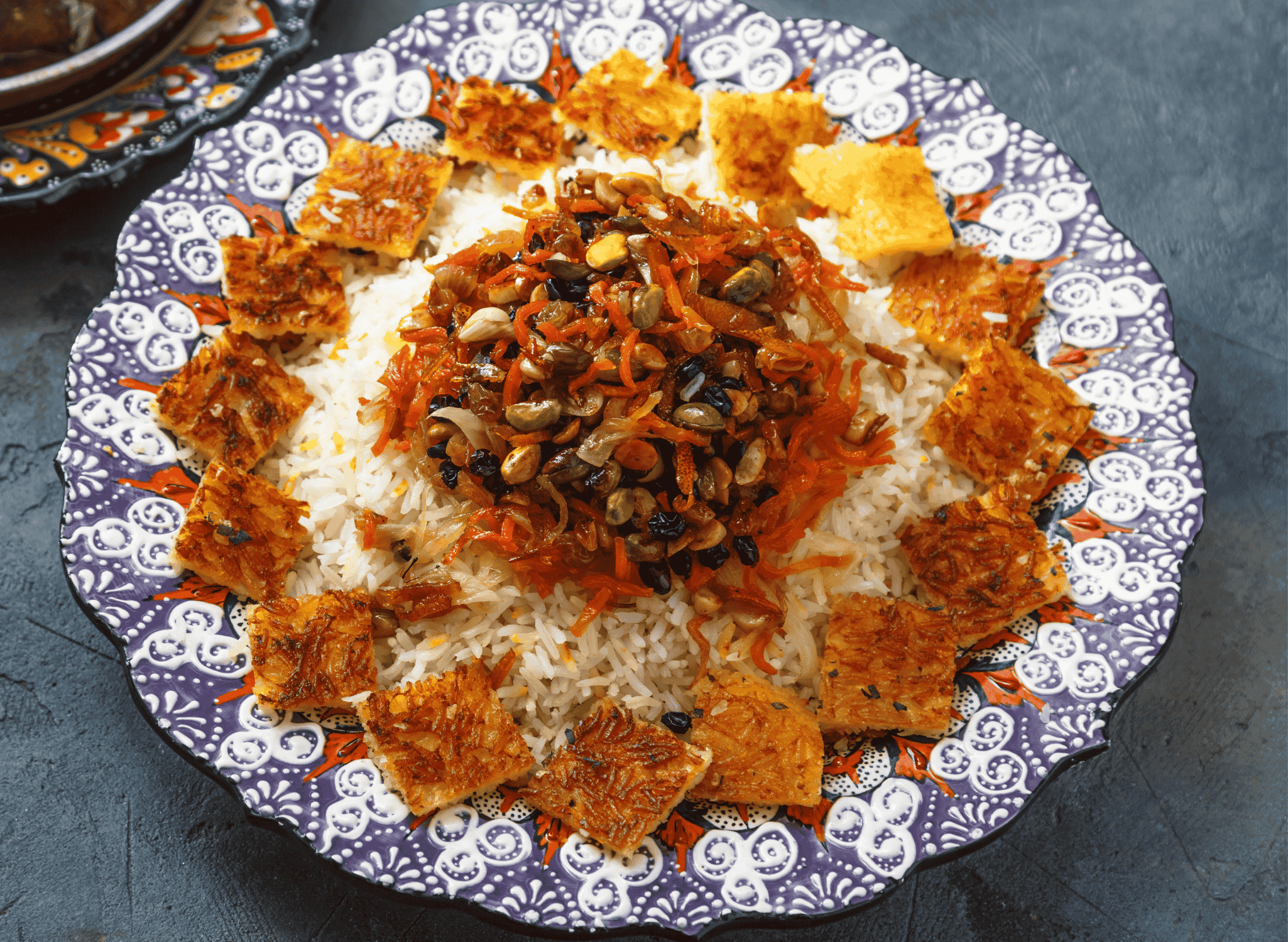
Shirin Polo brings celebration to the table with its bright saffron rice scattered with candied orange peel, pistachio, almond, and sweet carrot. Each spoonful feels layered and generous, alternating between perfume and crunch. It is a dish made for weddings and family gatherings, yet it sits happily on any home menu.This rice draws you in through fragrance first. Steam lifts the scent of saffron and rosewater, and that promise is kept by the buttery grains beneath. The garnish adds contrast and colour, so your eye anticipates the texture before the first bite. It is festive cooking with friendly manners. Get The Recipe Baghali Polo (Dill Rice with Fava Beans)
Baghali Polo feels like a generous welcome in a bowl, fragrant steam rising as you lift the lid and dill scented rice tumbles onto the plate. Studded with soft broad beans, it is the kind of food that turns an ordinary evening into something gently memorable.Although it appears simple at first glance, this Iranian classic is a thoughtful balance of textures and aromas. Each forkful brings fluffy grains, creamy beans and strands of dill, often served beside tender lamb shanks or chicken so the rice happily soaks up rich cooking juices.At the table, it invites sharing. Family style platters take centre stage, with everyone reaching in for spoonfuls of rice, crispy golden tahdig from the base of the pot and pieces of meat. It is comforting yet bright, elegant enough for guests and easy going enough for weekends. Get The Recipe Ash Reshteh (Noodle and Herb Soup)
Ash Reshteh is one of those soups that makes an entire kitchen feel alive. Thick with herbs, beans and soft noodles, it is a favourite comfort bowl in Iran, especially on cold days and at New Year gatherings when people want something generous and familiar.It sits somewhere between soup and stew, with a spoon that almost stands up in the bowl. Spoonfuls carry herbs, lentils, chickpeas and strands of reshteh noodles, all held together by a tangy swirl of kashk, the fermented whey that gives Ash Reshteh its signature character.What makes it so appealing is how social it feels. A big pot goes in the centre of the table, toppings are shared around, and everyone customises their bowl with more fried onions, garlic or dried mint. It invites second ladles, quiet conversation and that slow, content pause after a good meal. Get The Recipe Khoresht Bademjan (Eggplant Meat Stew)
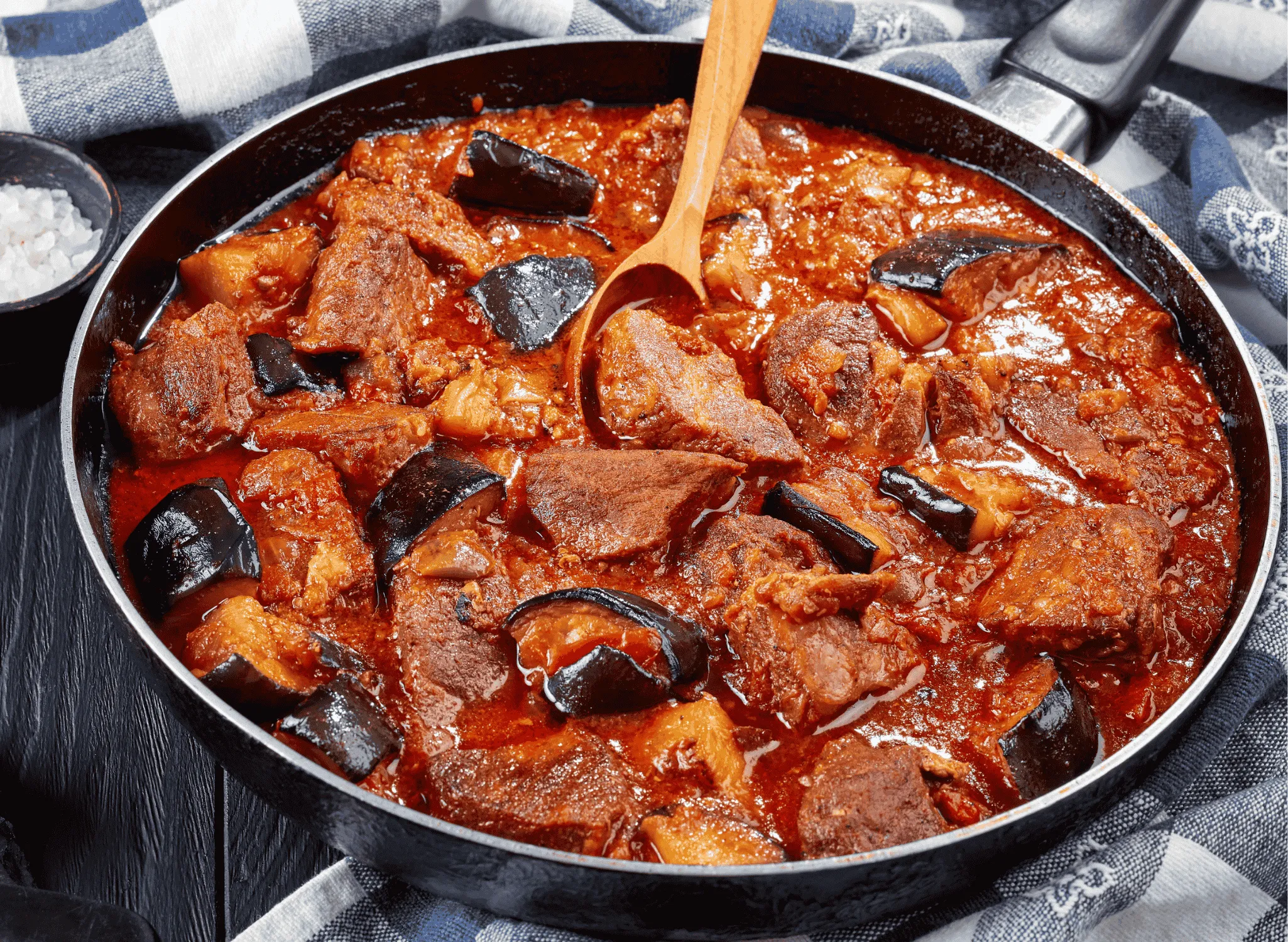
Khoresht Bademjan is a slow simmered Persian stew built around silky aubergine, gently cooked meat and a tomato rich base. It is comfort food in the truest sense, meant to be eaten slowly with steamed saffron rice and shared at the table. Every spoonful brings warmth, depth and quiet satisfaction.This is not a rushed weekday fry up. It is patient cooking. Aubergine is browned until soft and faintly smoky. Meat simmers until tender. Tomatoes, onions and dried limes lend body and tang. What you get is a stew that feels rich without being heavy and sour in a way that brightens rather than shocks.Across Iran, families make their own version, yet the idea stays the same. Good aubergine, fragrant oil, slow cooked meat and time. It is a dish that often appears when you want to make someone feel cared for. In that way, it is as cultural as it is culinary. Get The Recipe Tahdig (Persian Crispy Rice)
Tahdig is the part of Persian rice that everyone at the table is secretly waiting for. It is the golden, crunchy crust that forms at the bottom of the pot, served in proud shards and passed around like treasure. In many Iranian homes it is not a side dish so much as a point of ceremony. You hear that first crack as it breaks, and conversation pauses.It is rich, salty, buttery, and crisp at once. The texture sits between toasted rice cracker and roasted potato edge, with fragrance from saffron or sometimes yoghurt or potato layered onto the base. It brings contrast to the fluffy steamed rice it rests beneath. Without tahdig, a pot of rice is dinner. With tahdig, it feels like an occasion.Tahdig travels well across Persian meals because it fits with so much. It sits alongside stews like ghormeh sabzi and gheimeh, or grilled meats, or simply a plate of herbs and yoghurt. Children reach for it first. Guests are offered it first. That alone tells you its place at the table. Get The Recipe Zereshk Polo (Barberry Rice with Chicken)
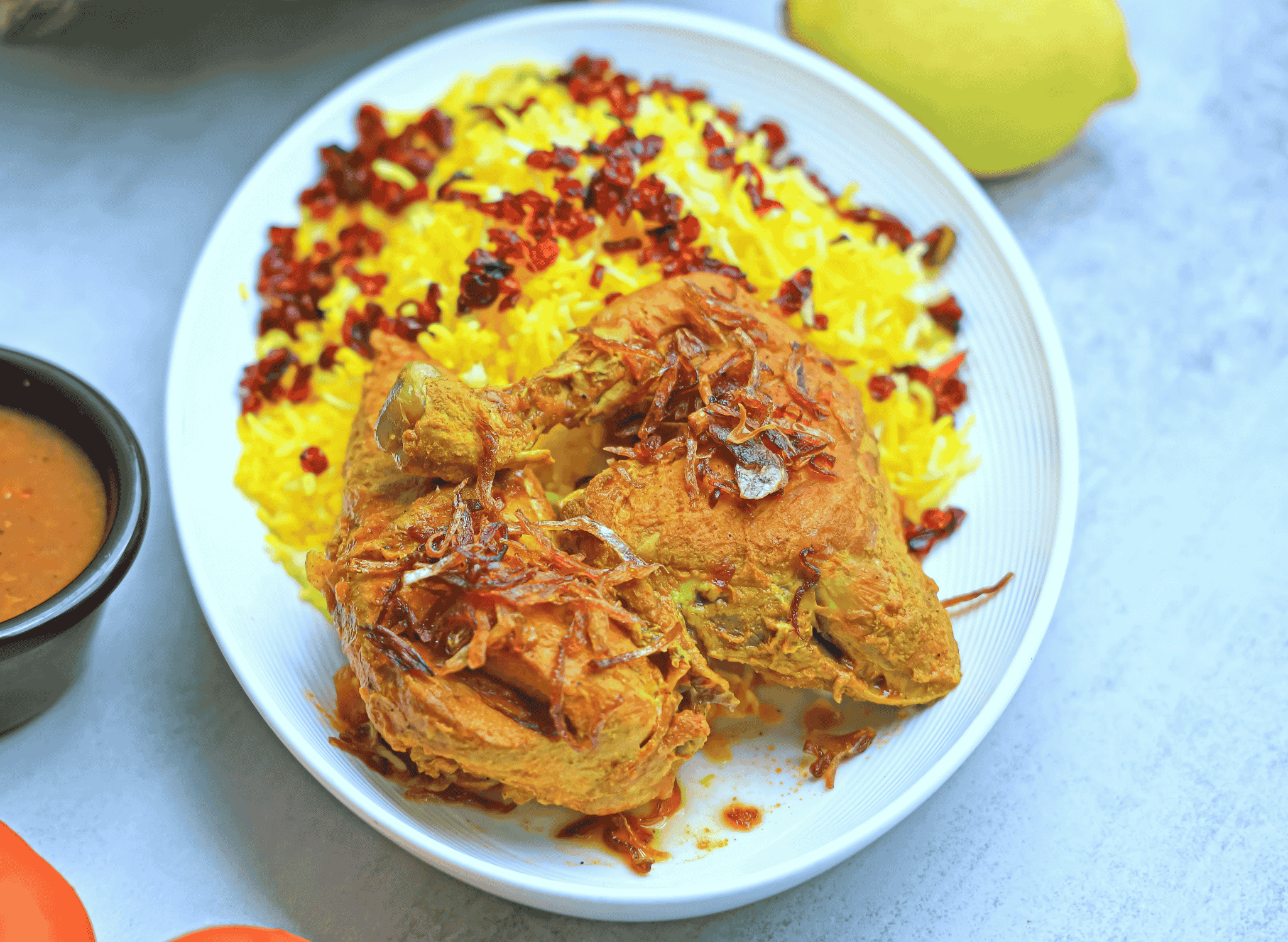
Zereshk Polo is a centrepiece dish from Iran that brings together saffron rice, tart barberries, and tender chicken braised in a tomato saffron sauce. It is colourful, fragrant, and layered with contrast, both in flavour and in mood. It often appears at family gatherings, yet it is just as welcome on a quiet Sunday table.Rice sits at the heart of Persian cooking, and this dish shows how much care Iranians give to it. Each grain is steamed until separate and light. Then part of that rice is stained a deep golden shade with saffron and folded through with sweet sour barberries. The plate lands bright white, ruby red and saffron gold.To eat Zereshk Polo is to feel comfort without heaviness. The rice feels elegant, the barberries wake up the palate with a sharp, wine like note, and the chicken helps turn it into a full meal. It is food that feels generous, but also deliberate.You will often see it served with yoghurt or salad and sometimes pickles. The cool acidity from these sides balances the warmth of the chicken and the sweetness in the fried onions. Nothing tastes flat. Everything is meant to be eaten together. Get The Recipe Chelo (Steamed Persian Rice)
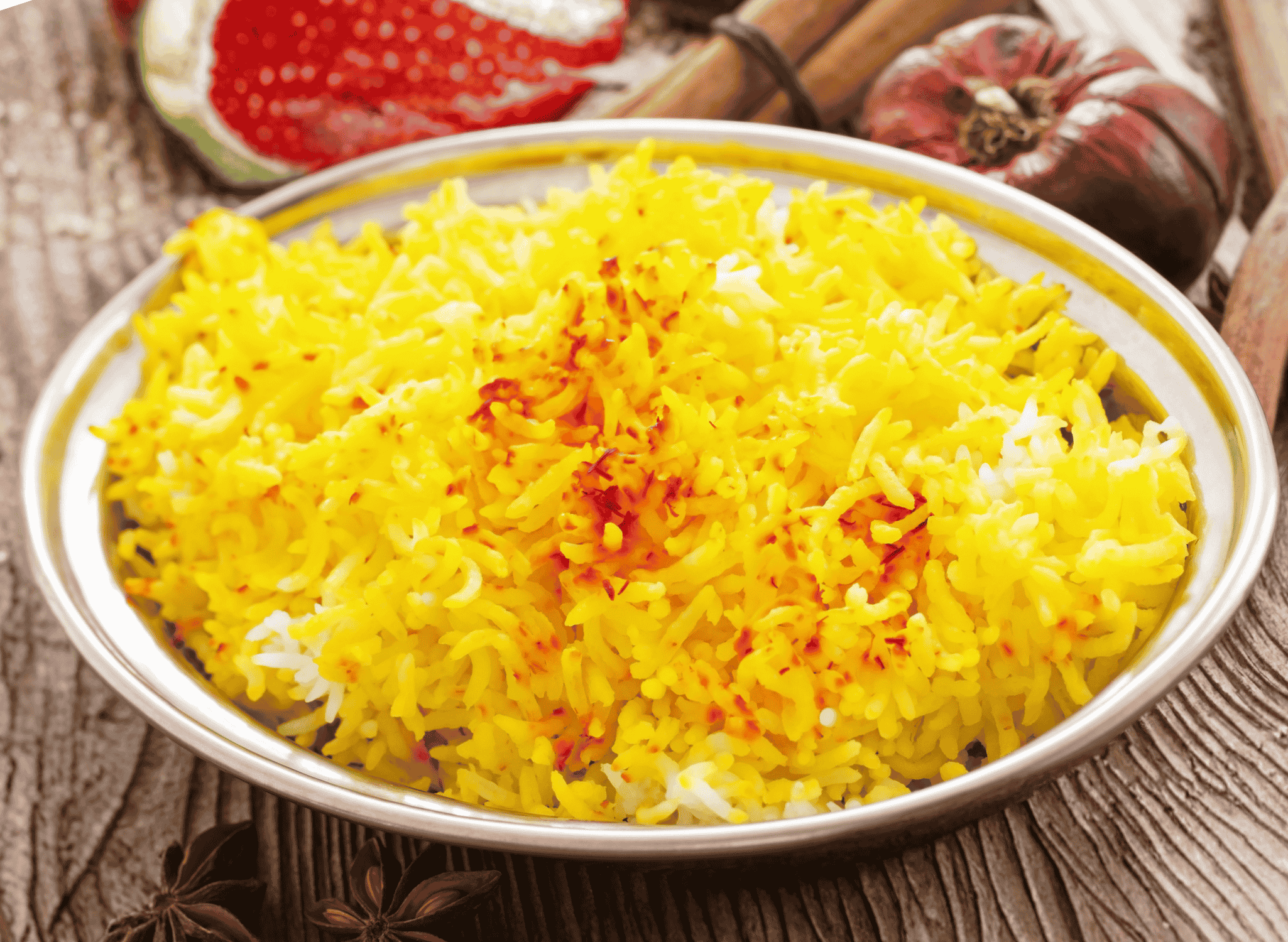
Chelo is classic Persian steamed rice cooked with care until every grain is separate, light and fragrant. It often arrives at the table beside grilled meat, stew or kebab, acting as quiet balance to richer flavours. In Iranian cuisine, chelo is not just a side. It is treated with respect, almost ceremonial.What makes chelo unforgettable is tahdig. Tahdig is the golden crust that forms at the bottom of the pot. It shatters when you bite into it and brings gentle toastiness that plays against the delicate steamed rice above. Many Iranians grow up competing over tahdig at the table.Chelo is often finished with a knob of butter and sometimes a pinch of saffron water poured over, so the top of the rice carries a warm yellow tint and soft perfume. That touch of saffron is small but deliberate. It hints at depth, without smothering the natural flavour of the rice. Get The Recipe Ghormeh Sabzi (Herb and Kidney Bean Stew)
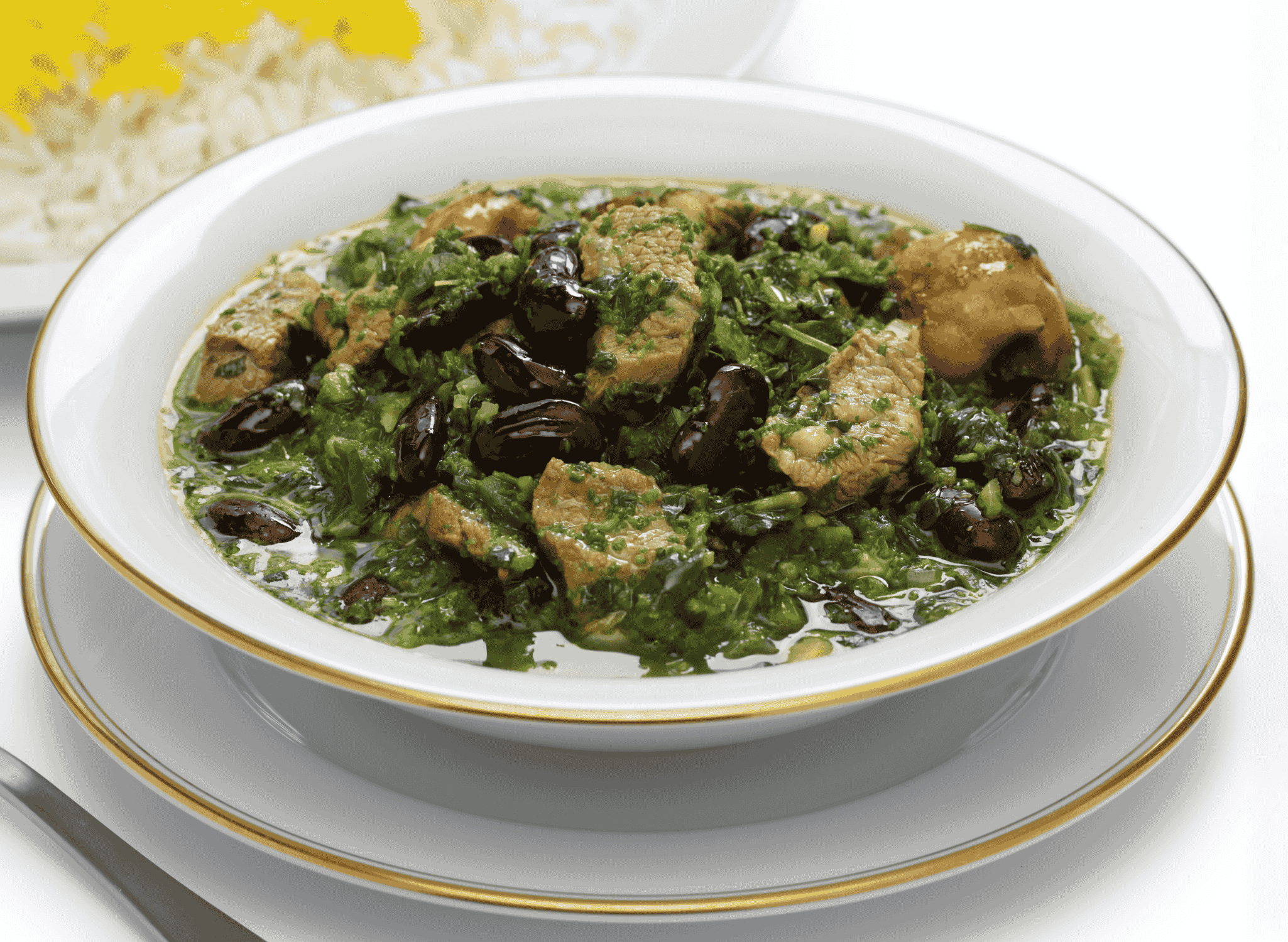
Ask any Iranian about their favourite dish and Ghormeh Sabzi will likely emerge as a strong contender. This isn’t just food; it’s a conversation starter, a family heirloom recipe, and a measure of a cook’s skill all rolled into one fragrant pot.The name itself tells you something important. “Ghormeh” refers to a braise or stew, whilst “Sabzi” means herbs. Yet these simple words barely scratch the surface of what makes this dish so beloved across Iran and throughout the Persian diaspora worldwide.Every Iranian household has their own version, passed down through generations with small tweaks and personal touches. Some families swear by dried limes, others prefer fresh. The ratio of herbs sparks friendly debates, and the choice of meat can vary by region.What remains constant is the dish’s ability to fill a home with an aroma so distinctive that anyone familiar with Persian cooking can identify it instantly. The scent of frying herbs mingles with slow cooked meat and tangy dried limes, creating something utterly unique. Get The Recipe Fesenjan (Walnut Pomegranate Stew)
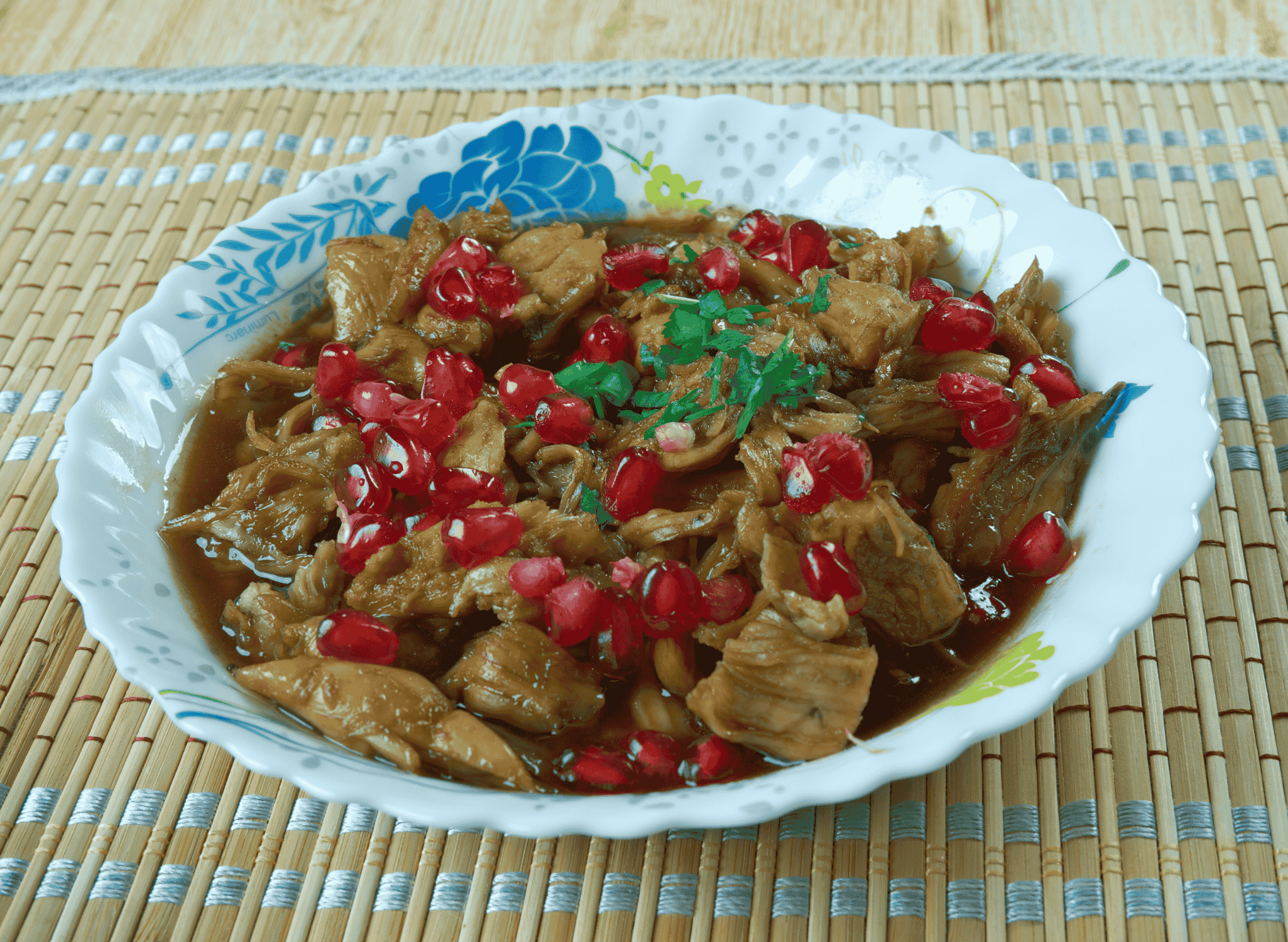
Iranian kitchens hold dishes that defy expectations, combinations so unexpected that they challenge everything you thought you knew about how flavours should work together. Fesenjan stands among these culinary marvels, a stew that makes converts of nearly everyone who tries it properly prepared.This isn’t your everyday comfort food, though it certainly brings comfort to those who grew up with it. Fesenjan combines ground walnuts and pomegranate molasses into a thick, glossy sauce that cloaks tender pieces of chicken or duck in burgundy splendour.The dish appears at celebrations and family gatherings throughout Iran, particularly during autumn when pomegranates hang heavy on trees and walnuts get cracked open at kitchen tables. Yet it’s equally at home on a quiet weeknight, simmering away whilst filling the house with its unmistakable aroma.What makes Fesenjan truly special is its unapologetic character. The stew doesn’t try to please everyone with safe, middle of the road flavours. Instead, it presents a bold combination of sweet, sour and savoury that demands your full attention. Get The Recipe