
Yakiniku (Japanese Grilled Meat)
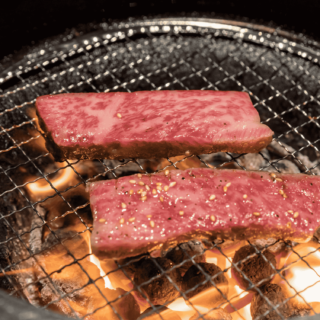
Yakiniku is Japan’s classic grilled meat dish featuring thinly sliced beef and chicken cooked over an open flame or tabletop grill, served with tare dipping sauce, rice, and vegetables for a flavourful communal meal.
Ingredients
For the Meat and Vegetables
- 600 g beef ribeye or short rib thinly sliced
- 200 g chicken thigh cut into bite sized pieces
- 1 small onion sliced
- 1 courgette sliced
- 1 red pepper sliced
- 100 g shiitake mushrooms halved
- 2 spring onions finely sliced (for garnish)
For the Tare Sauce (Dipping and Marinade)
- 3 tbsp soy sauce
- 1½ tbsp mirin
- 1 tbsp sake
- 1 tbsp sugar
- 1 clove garlic grated
- 1 tsp sesame oil
- 1 tsp toasted sesame seeds
For Serving
- Cooked Japanese rice
- Kimchi optional
- Fresh lettuce leaves optional for wrapping
Instructions
- In a small saucepan, combine soy sauce, mirin, sake, sugar, and garlic. Bring to a gentle simmer for 2 minutes until the sugar dissolves. Remove from heat, stir in sesame oil and sesame seeds, and let cool completely. Reserve half the sauce for dipping and half for marinating.
- Place the sliced beef and chicken in separate bowls. Pour a small amount of cooled tare sauce over each, tossing gently to coat. Cover and refrigerate for 30 minutes. This allows the flavours to infuse without overpowering the natural taste of the meat.
- Arrange the sliced vegetables neatly on a large plate. Lightly brush them with a little sesame oil to prevent sticking and enhance flavour when grilled.
- Heat a tabletop grill, griddle pan, or cast-iron skillet over medium to high heat. Traditional yakiniku uses a charcoal grill, but a non-stick electric grill works beautifully at home. Ensure it is hot before placing the meat on.
- Begin with the vegetables. Place onions, courgettes, peppers, and shiitake mushrooms on the grill. Cook for 2–3 minutes on each side until tender and lightly charred. Transfer to a serving plate.
- Place a few slices of beef on the grill, avoiding overcrowding. Cook each side for about 30 seconds to 1 minute depending on thickness. The aim is a quick sear that keeps the meat juicy and tender.
- Next, add the chicken pieces. Cook for 2–3 minutes per side until golden brown and fully cooked. Adjust the heat slightly lower if necessary to avoid burning.
- Arrange the cooked meats and vegetables on separate platters. Place bowls of rice, tare dipping sauce, and optional kimchi or lettuce on the table for everyone to assemble their portions.
- Sprinkle the grilled meats with finely sliced spring onions. For extra aroma, drizzle a touch of sesame oil just before serving.
- Yakiniku is best enjoyed straight from the grill, with guests cooking small portions as they go. Share the experience, alternating bites of smoky meat with rice or crisp vegetables for perfect balance.
Nutrition
Serving: 1Calories: 506kcalCarbohydrates: 15gProtein: 42gFat: 31gSaturated Fat: 12gPolyunsaturated Fat: 3gMonounsaturated Fat: 14gTrans Fat: 0.04gCholesterol: 141mgSodium: 929mgPotassium: 863mgFiber: 3gSugar: 9gVitamin A: 1151IUVitamin C: 50mgCalcium: 45mgIron: 4mg
Tried this recipe?Let us know how it was!